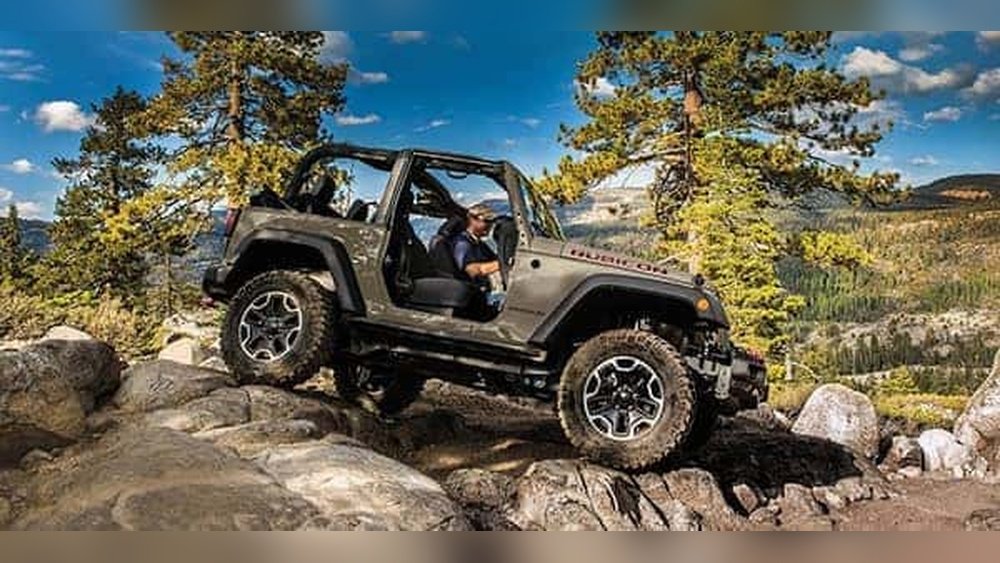
The Jeep Rubicon has become a symbol of adventure for off-road lovers. When people talk about the best year for the Jeep Rubicon, they are often looking for a mix of reliability, modern features, and true off-road ability. But with so many models over the years, the answer is not always simple. Let’s break down what makes a great Rubicon and which years stand out for different types of drivers.
Why The Rubicon Model Is Special
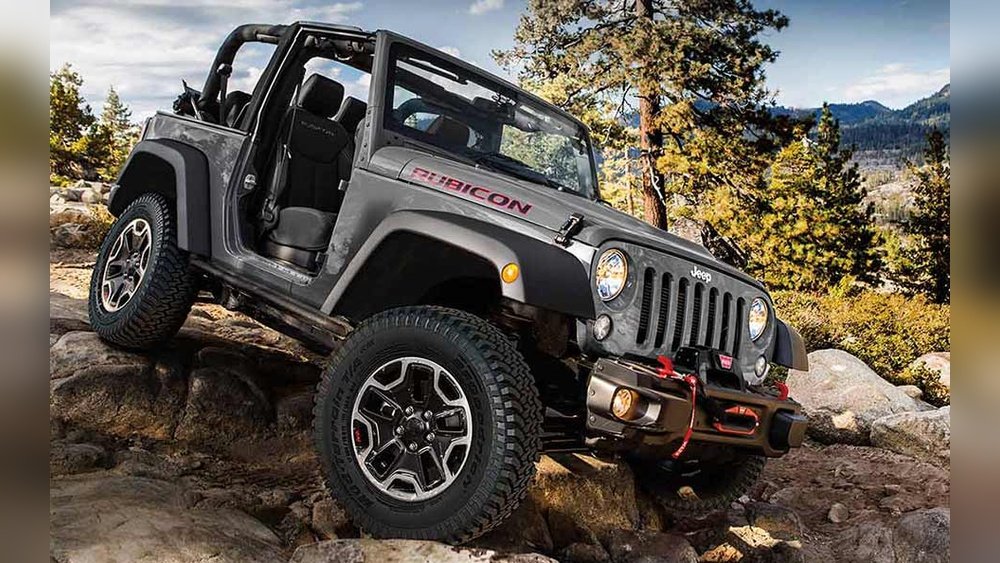
The Rubicon is the most rugged version in the Jeep Wrangler family. Named after the famous Rubicon Trail, it’s built for tackling rocks, mud, and tough trails. Each year, Jeep makes changes—sometimes small, sometimes big. People buy Rubicons for their locking differentials, solid axles, and strong 4×4 system. But not all Rubicon years are equal when it comes to comfort, technology, and durability.
What Makes A Rubicon Year “the Best”?
Before choosing a year, it’s important to know what matters most to you:
- Off-road capability: Some years have stronger parts or better suspension.
- Reliability: Certain engines and transmissions last longer.
- Modern features: Newer models offer more comfort and safety.
- Price and value: Older Rubicons may be cheaper but require more repairs.

Key Years For Jeep Rubicon: A Quick Comparison
Here’s a quick look at some standout years. This helps if you want to compare features at a glance.
| Model Year | Engine | Notable Features | Common Issues |
|---|---|---|---|
| 2004-2006 | 4.0L I6 | Classic design, very reliable | Basic interior, less comfort |
| 2012 | 3.6L Pentastar V6 | New engine, better power | Electrical issues in some models |
| 2015 | 3.6L Pentastar V6 | Upgraded interior, better tech | Oil filter housing leaks |
| 2018 | 3.6L V6 / 2.0L Turbo | JL Generation, modern features | Early model bugs |
| 2021 | 3.6L V6 / 4xe Hybrid | Hybrid option, latest tech | Higher price, complex repairs |
2004–2006: The Tj Rubicon Era
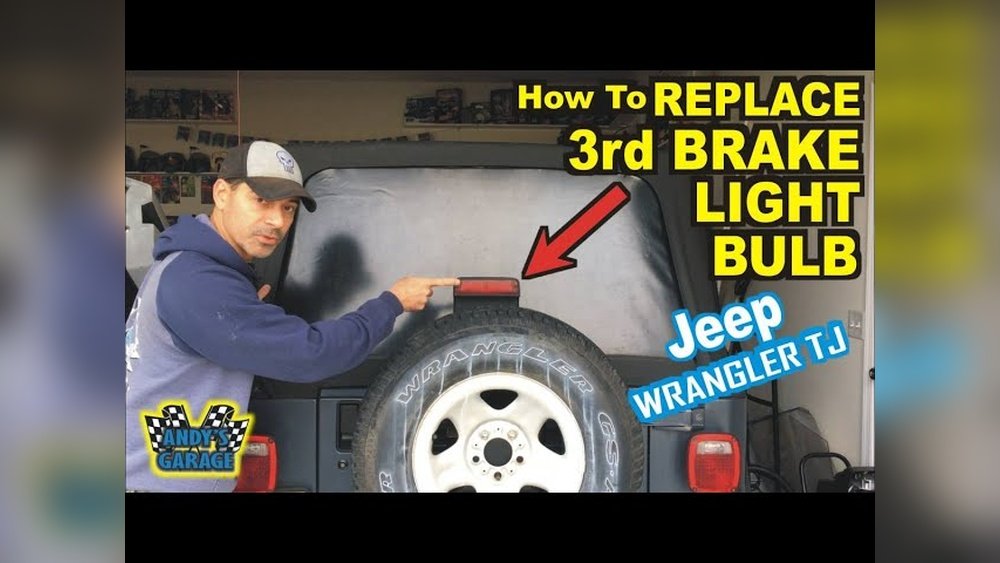
For many fans, the 2004–2006 Rubicon is the most reliable. These were the first Rubicons, built on the TJ platform. They come with the 4.0L inline-six engine—a motor known for lasting over 200,000 miles if cared for. The manual transmission is tough and simple to repair.
However, these years offer fewer tech features. The ride can feel rough, and the cabins are basic. Still, if you want a pure off-road machine that’s easy to fix, these years are hard to beat.
2012–2018: The Jk Rubicon Grows Up
In 2012, Jeep replaced the old engine with the 3.6L Pentastar V6. This gave the Rubicon much more power and better gas mileage. The JK generation (2007–2018) also brought four-door models, making the Rubicon more family-friendly.
Jeep improved the interior in later JKs, especially after 2015. You get touchscreen radios, better seats, and more safety features. The 2015–2018 models are popular because they balance price, reliability, and comfort.
One thing to check is the oil filter housing on the Pentastar engine. Some owners have seen leaks, but these are often easy to fix if caught early.
Here’s a look at how the JK and newer JL generations compare:
| Generation | Years | Engine Options | Main Upgrades |
|---|---|---|---|
| TJ | 2003-2006 | 4.0L I6 | First Rubicon, simple interior |
| JK | 2007-2018 | 3.8L V6 (07–11), 3.6L V6 (12–18) | Four-door, modernized features |
| JL | 2018-present | 3.6L V6, 2.0L Turbo, 4xe hybrid | Best technology, comfort |
2018–present: The Jl Rubicon Steps Forward
The JL generation started in 2018. This model gives you more of everything—stronger axles, improved ride, and more tech. You can pick from several engines, including a turbocharged option and a plug-in hybrid (4xe). The interior is much nicer, with touchscreens, heated seats, and advanced safety aids.
These Rubicons are the most comfortable and safest to drive daily. But, they are more expensive and repairs can cost more, especially with the newer hybrid systems.
Standout Year: 2012 Jeep Rubicon
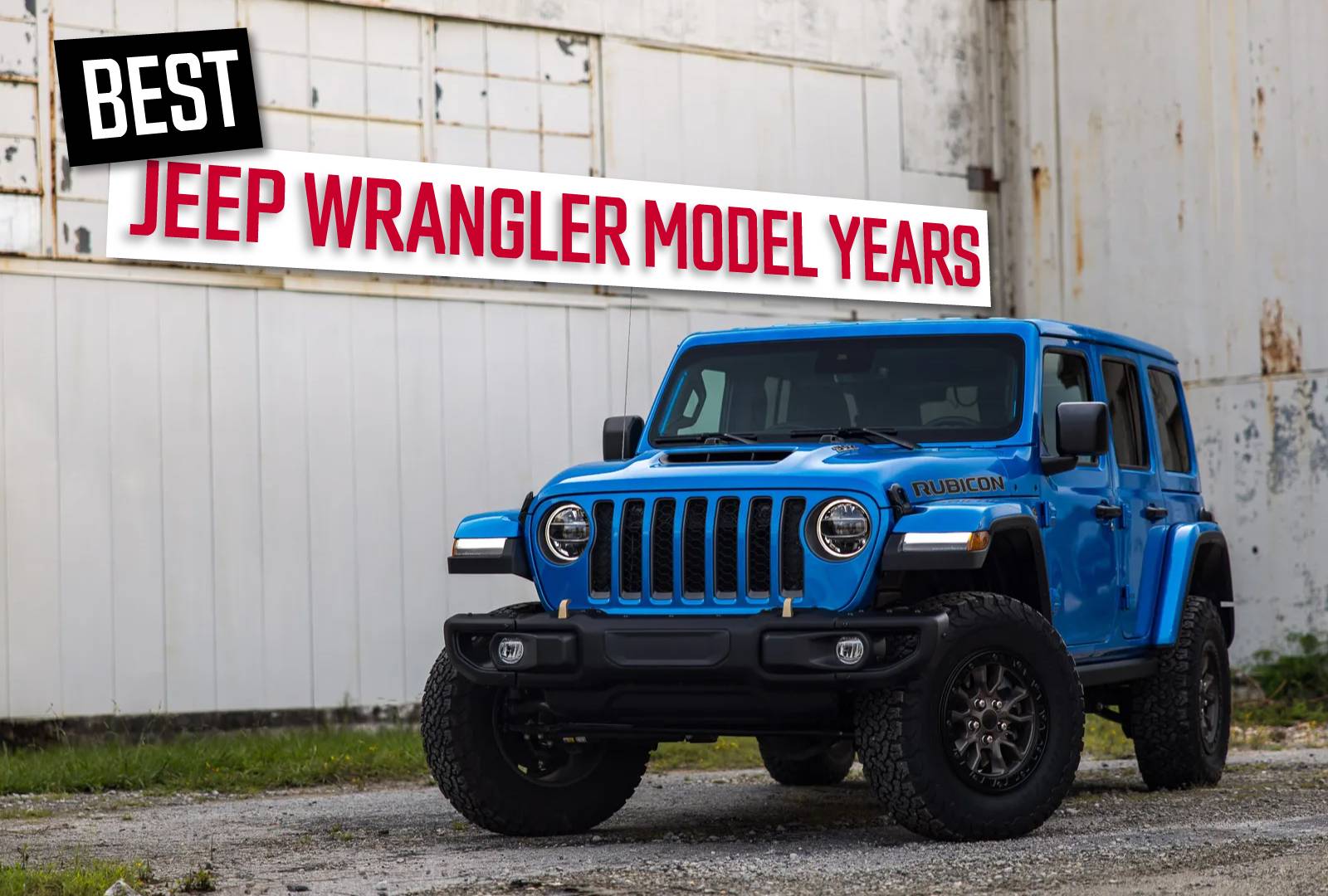
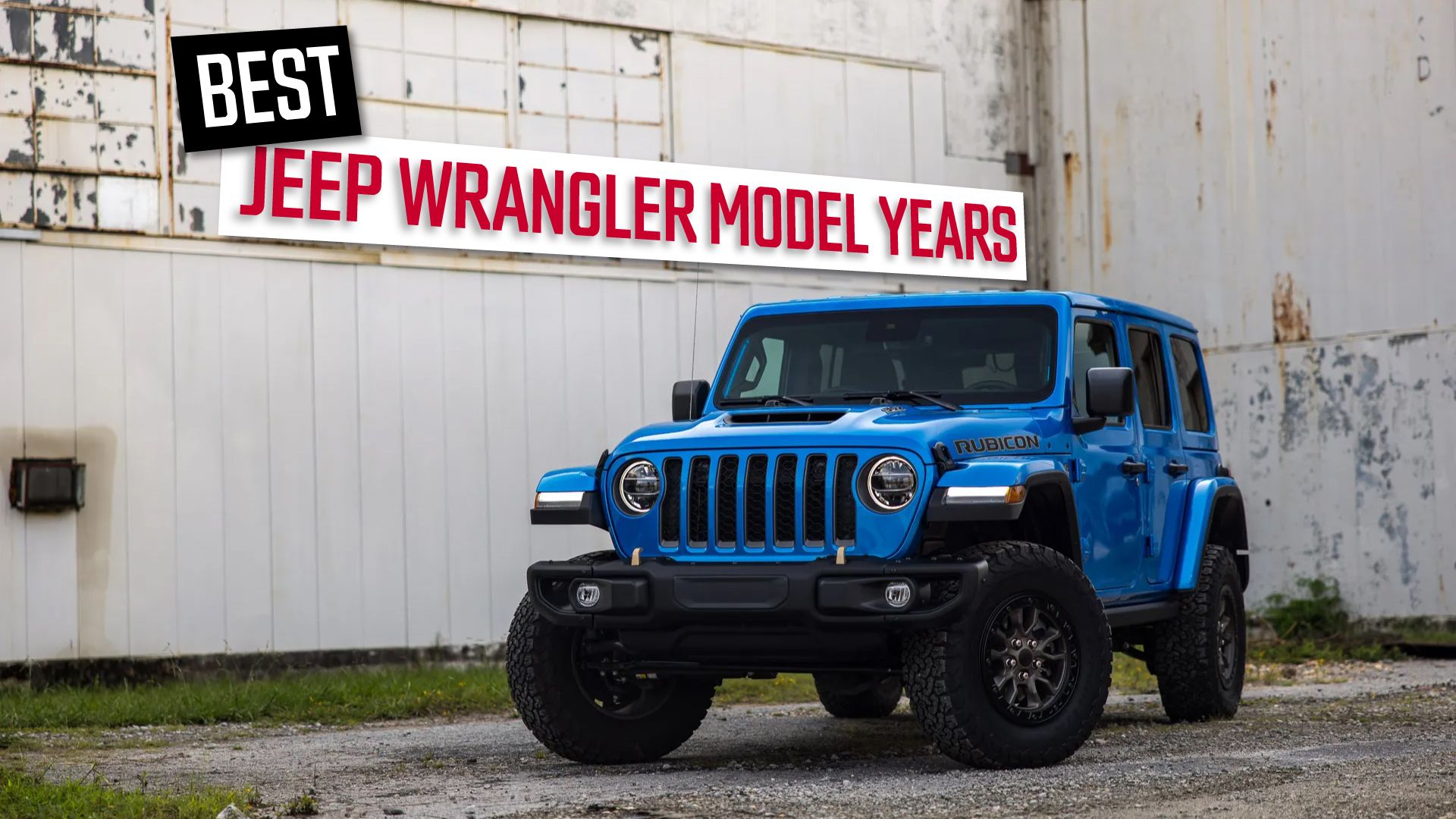
Many Jeep experts and owners agree—the 2012 Jeep Rubicon stands out. It was the first year with the Pentastar engine, offering a big jump in power and fuel efficiency. It also has the classic JK look, which many Jeep fans love.
If you want something newer, the 2018 JL Rubicon or the hybrid 2021 4xe are also great picks. They offer the latest tech and off-road features but at a higher price.
Two Key Insights For Jeep Buyers
- Rust matters more than mileage: Older Rubicons can last a long time if the frame and body are not rusty. Always check under the vehicle before buying.
- Factory upgrades beat aftermarket: Rubicons come with better parts from the start. Adding lockers and heavy axles to a non-Rubicon can cost more than just buying a used Rubicon.
What To Avoid When Choosing A Rubicon
- Be careful with 2007–2011 JK Rubicons. The 3.8L V6 is known for burning oil and can be underpowered.
- Avoid buying a Rubicon just for looks. The off-road parts add weight and cost. If you mainly drive on city roads, a Sahara or Sport may be better for you.
Used Jeep Rubicon Value Guide
Here’s a quick look at average prices you might find:
| Year | Average Price (2024) | Mileage Range |
|---|---|---|
| 2004–2006 | $15,000–$25,000 | 100k–150k |
| 2012–2015 | $22,000–$32,000 | 60k–120k |
| 2018–2020 | $38,000–$50,000 | 20k–60k |
| 2021–2023 | $45,000–$65,000 | 10k–40k |
Prices can change fast, so always check the latest values before buying.
Which Year Is “best” For You?
- For classic reliability: 2004–2006 TJ Rubicon
- For a balance of price and features: 2012–2018 JK Rubicon (especially 2012, 2015, 2018)
- For latest tech and comfort: 2018–present JL Rubicon (especially 2021 for the hybrid)
There is no single best year for everyone. Think about how you will use your Jeep and what features are most important.
Frequently Asked Questions
Which Jeep Rubicon Year Has The Most Reliable Engine?
The 4.0L inline-six found in 2004–2006 models is famous for lasting many miles with few problems. The 3.6L Pentastar (2012 and newer) is also strong but needs regular maintenance.
Are Newer Rubicon Models Better Off-road?
Newer Rubicons (2018 and up) have advanced traction aids and stronger parts. But older Rubicons are still very capable, especially for serious rock crawling.
Is The Jeep Rubicon Worth The Extra Price?
If you plan to go off-road often, the Rubicon’s upgrades (lockers, axles, gears) are worth it. For city driving, the extra cost may not make sense.
What Are Common Problems With Used Rubicons?
Watch for rust on older models, and check for oil leaks in JK models with the 3.6L engine. Always have a mechanic inspect before buying.
Where Can I Learn More About Jeep Rubicon Specs?
The official Jeep Wrangler site has full specs and current model details.
Choosing the best year for a Jeep Rubicon means matching your needs to the right mix of reliability, features, and price. With the right research, you’ll find a Rubicon that’s ready for any adventure.