The Jeep Cherokee is a popular SUV with a long history. Many people want to know: what is the best year for Jeep Cherokee? Choosing the right model year can save you money, reduce problems, and improve your driving experience. Some years offer better reliability, features, and value than others. This article explores which Jeep Cherokee years stand out, why they matter, and how to make the smartest choice for your needs. Whether you want a tough off-road vehicle or a comfortable daily driver, knowing the differences between Cherokee years helps you make the best decision. You’ll find practical advice, real-world examples, and important tips that many buyers overlook.
Jeep Cherokee History And Generations
The Cherokee first appeared in 1974. Since then, it has gone through several changes. Each generation brought new designs, engines, and features. Knowing these differences helps you find the best year. The Cherokee’s history is full of updates, with each generation designed for different needs and drivers.
| Generation | Years | Key Features |
|---|---|---|
| First | 1974-1983 | Boxy style, basic tech |
| Second | 1984-2001 | Legendary reliability, compact design |
| Third | 2002-2012 | Known as Liberty in US, more comfort |
| Fourth | 2014-2023 | Modern tech, safety upgrades |
The second generation (1984–2001) is famous for durability. Many still run strong today, even after decades of use. This generation is often praised for its simple, rugged construction, making it a favorite among off-road enthusiasts and those who want easy repairs. The fourth generation (2014–2023) offers advanced technology and safety, but not all years are equal. Some early models had problems, while later ones improved with updated features and better reliability. Understanding which years had updates or fixes can help you avoid common pitfalls.
Best Years For Jeep Cherokee
When looking for the best year, consider reliability, features, and value. Let’s break down which years shine and why. Some years are especially good for certain uses, such as off-roading or family driving, while others offer better value for money.
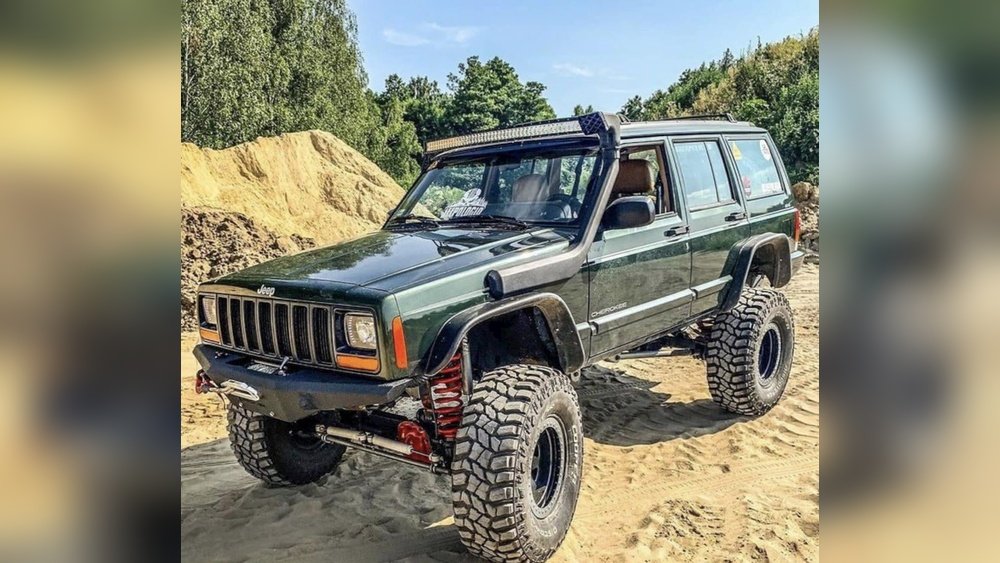
1. 1997–2001 (second Generation)
These late 90s models are legendary. The 1997–2001 Cherokee has a strong 4.0L inline-six engine. Owners praise its toughness and simple design.
- Reliability: Few major issues. Engine lasts over 200,000 miles if maintained. Many vehicles from these years are still on the road, showing their long-lasting quality.
- Parts: Easy to find and affordable. You can get replacement parts at many auto shops, and repairs are usually simple.
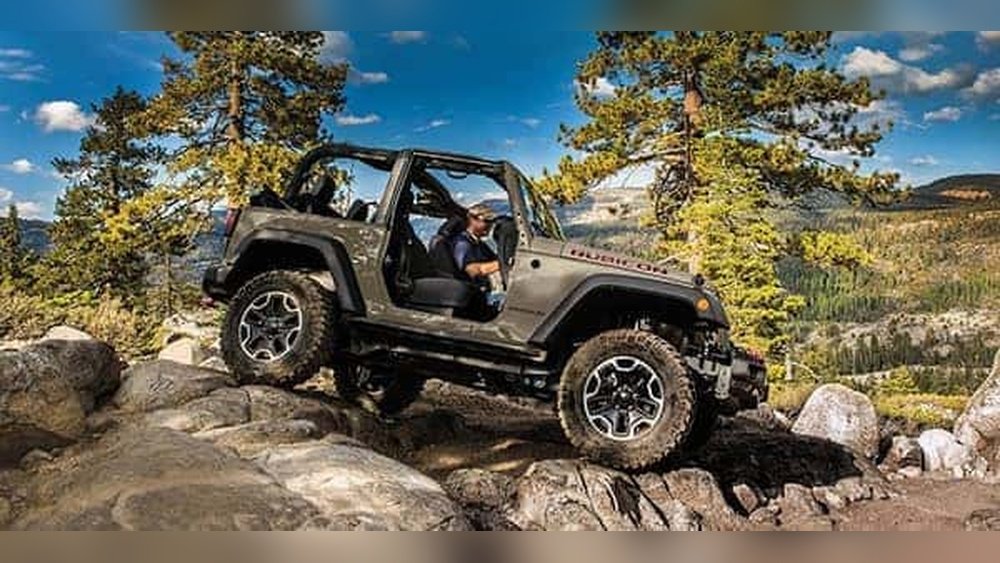
- Off-road: Excellent capability. The solid axle design and four-wheel drive make these Cherokees great for rough terrain.
Non-obvious insight: Many beginners skip these years thinking they’re old, but their mechanical simplicity makes them easier to repair than newer Cherokees. Even experienced mechanics often recommend these models because less technology means fewer things can break.
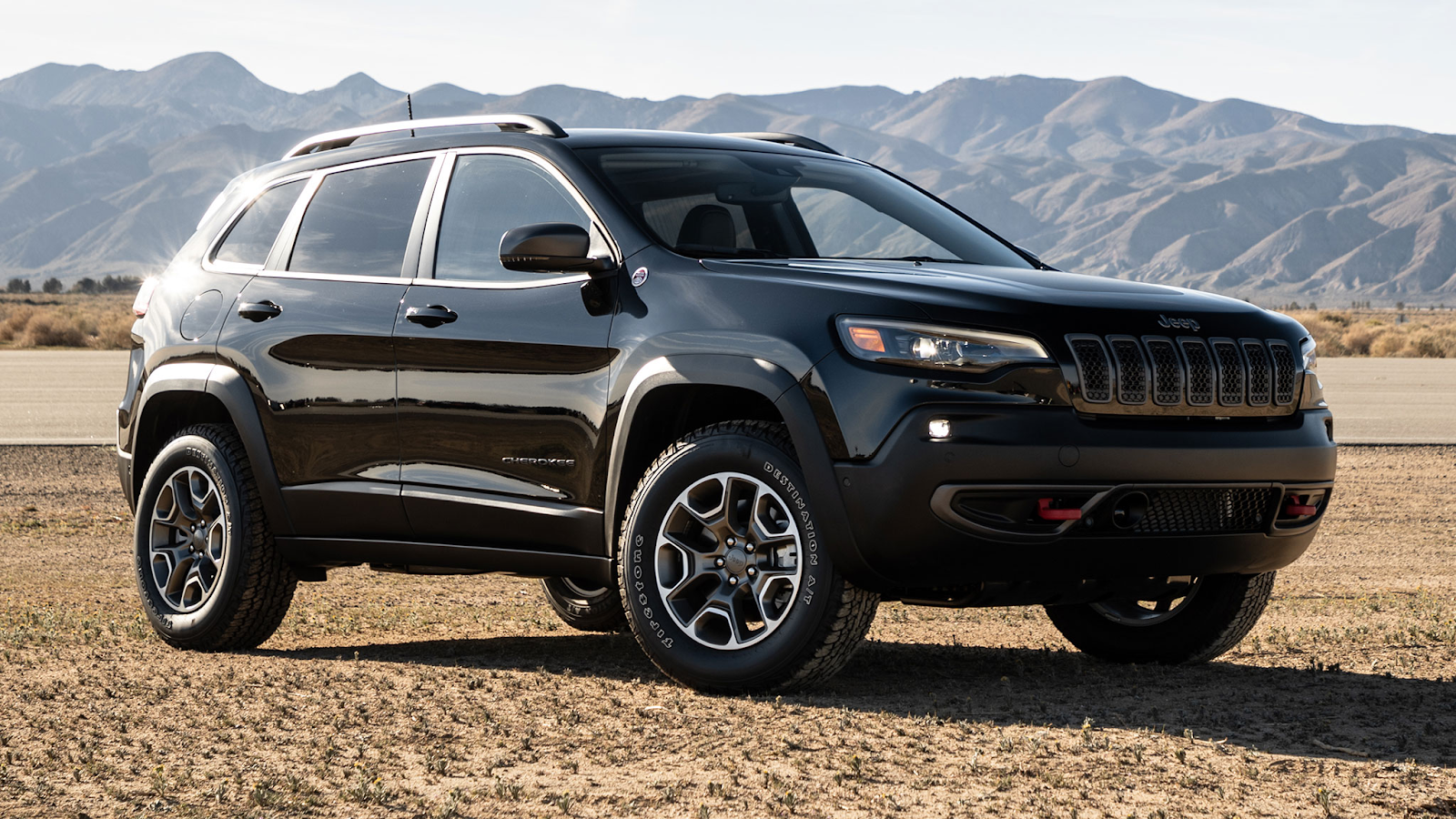
2. 2016–2018 (fourth Generation)
The 2016–2018 Cherokee offers a balance of modern features and reliability. These years improved after early fourth-generation recalls.
- Safety: Advanced systems like lane departure warning and blind spot monitoring. These features help protect you and your passengers, especially in city driving.
- Engine options: Strong V6 and fuel-efficient four-cylinder choices. You can choose based on your driving style—V6 for power, four-cylinder for better gas mileage.
- Interior: Comfortable, with updated tech. Touchscreen controls, Bluetooth, and soft materials make daily driving pleasant.
Non-obvious insight: The 2016–2018 models avoided major transmission issues seen in earlier fourth-generation Cherokees. Many owners report fewer trips to the mechanic and smoother performance compared to 2014–2015. Another hidden benefit is improved resale value, since these years are seen as more reliable.
3. 2014 (fourth Generation)
The 2014 Cherokee was the start of a new design. It brought new tech, but had some transmission recalls. If you find a 2014 model with updated software, it can be a good value.
- Price: Usually cheaper than newer models. You can save money if you verify all recall work is done.
- Features: First to offer Uconnect infotainment. This system lets you control music, navigation, and phone calls easily.
Many buyers overlook the value of a well-maintained 2014 Cherokee, but with proper recall fixes and checks, it can offer modern comfort at a lower price.

Jeep Cherokee: Reliability And Common Problems
Not all years are perfect. Some Cherokee models face common problems. Here’s a quick look:
| Year Range | Main Problem | How to Avoid |
|---|---|---|
| 2014–2015 | Transmission issues | Choose later years or check recall fixes |
| 2016–2018 | Minor electrical glitches | Inspect all electronics before buying |
| 1997–2001 | Rust in underbody | Check for rust before purchase |
Common mistake: Some buyers focus only on price and ignore recalls or repairs. Always check the vehicle history and ask about fixes. Don’t be afraid to ask for receipts or service records. Even a small issue, like a missed recall repair, can lead to bigger problems later. Checking for rust is especially important in older models, as rust can damage the frame and suspension. For newer Cherokees, make sure all electronics—like backup cameras and sensors—work properly.
Key Factors When Choosing A Jeep Cherokee
Selecting the best year depends on your needs. Here are important factors to consider:
- Reliability: Some years have fewer problems. Older models (1997–2001) are simple and tough. Newer ones (2016–2018) have modern tech but need careful inspection. Reliability affects not just repairs but how much time your Cherokee spends on the road versus in the shop.
- Budget: Older Cherokees cost less but may require more maintenance. Newer ones cost more but offer better comfort and safety. Consider ongoing costs, like insurance and fuel, not just purchase price.
- Usage: For off-road, choose older models. For daily driving, newer models are better. Think about where you drive most—mountain trails, highways, or city streets.
- Features: Decide what matters most—tech, safety, comfort, or simplicity. Some buyers want modern features like navigation and heated seats, while others prefer basic, easy-to-fix vehicles.
Another factor is local climate. In areas with heavy snow or rain, four-wheel drive and rust resistance matter more. If you live in a hot climate, check cooling systems and air conditioning.

Jeep Cherokee Comparison: Old Vs New
Here’s how the best years stack up:
| Year | Engine | Reliability | Tech Features | Price (Used) |
|---|---|---|---|---|
| 1997–2001 | 4.0L I6 | Excellent | Minimal | $3,000–$7,000 |
| 2016–2018 | 2.4L I4 / 3.2L V6 | Good | Advanced | $11,000–$19,000 |
| 2014 | 2.4L I4 / 3.2L V6 | Fair | Modern | $9,000–$15,000 |
Older Cherokees stand out for their rugged build and low maintenance costs, while newer ones shine with tech and comfort. If you need a reliable workhorse, go for 1997–2001. If you want a family-friendly SUV with safety features, 2016–2018 is a smarter pick.
Tips For Buying A Used Jeep Cherokee
- Check recalls: Ask for proof of recall repairs, especially for 2014–2015 models. Many sellers overlook this, but it’s vital for safety and peace of mind.
- Inspect for rust: Older Cherokees can rust underneath. Look at frame, floor, and wheel wells.
- Test electronics: Make sure all tech works in newer models. Try every button and screen before buying.
- Drive it: Take a test drive and listen for unusual sounds. Pay attention to how it shifts, brakes, and handles bumps.
- Vehicle history: Get a report to spot past accidents or major repairs. Services like Carfax or AutoCheck help you see hidden problems.
Don’t rush the buying process. If possible, bring a mechanic or knowledgeable friend. Even a quick inspection can reveal issues that save you money later. If you want more details on Jeep Cherokee reliability, visit Consumer Reports.
Frequently Asked Questions
What Is The Most Reliable Jeep Cherokee Year?
The 1997–2001 Cherokee is known for strong reliability. Its simple design and durable engine make it last for many years. Owners often report reaching high mileages without major repairs.
Are Newer Jeep Cherokees Better For Daily Driving?
Yes, 2016–2018 Cherokees offer better comfort, safety, and technology. They are good for city and highway use. Features like touchscreen controls and advanced airbags make driving safer and easier.
Which Jeep Cherokee Year Is Best For Off-roading?
The 1997–2001 Cherokee is best for off-road. It has a strong frame and simple mechanical parts. Many off-road fans love these models for their solid axles and easy upgrades.
What Problems Should I Watch For In Jeep Cherokees?
Look for transmission issues in 2014–2015 models and rust in older models. Always check recall records and inspect before buying. Electrical problems in 2016–2018 models are usually minor but should still be checked.
How Much Does A Used Jeep Cherokee Cost?
Prices depend on the year and condition:
- 1997–2001: $3,000–$7,000
- 2014: $9,000–$15,000
- 2016–2018: $11,000–$19,000
Choosing the best year for Jeep Cherokee depends on your needs, budget, and preferences. If you want reliability and easy repairs, go for the late 90s models. If you need modern tech and safety, pick a 2016–2018 model. Always check the vehicle history and inspect carefully.
With the right choice, your Cherokee will serve you well for years. The extra effort now can mean fewer surprises and more happy miles in the future.