If you love classic cars and adventure, old Jeeps offer something special. These vehicles have a strong history, simple design, and are built for tough conditions.
But with so many models and years, choosing the best old Jeep can feel confusing.
Let’s break down which Jeeps are most worth your attention, what makes them stand out, and practical tips for buying one.
Why Old Jeeps Are Popular
Old Jeeps are loved for their rugged build and timeless look. Many people buy them for off-roading, camping, or just for fun driving. Older models are easier to fix and have fewer electronics, making them ideal for DIY mechanics. They also tend to hold their value well, especially popular years and models.
Most buyers look for:
- Strong engines
- Good parts availability
- Classic design
- Reliable performance
Top Old Jeeps To Buy
Some Jeeps have proven themselves over decades. Here are the best models to consider:
- Jeep CJ-7 (1976–1986)
- The CJ-7 is famous for simple mechanics and solid axles. It has a longer wheelbase than earlier CJs, making it more stable. Many still run reliably after 40+ years. The CJ-7 is easy to customize and parts are cheap. It’s a favorite for both collectors and off-road fans.
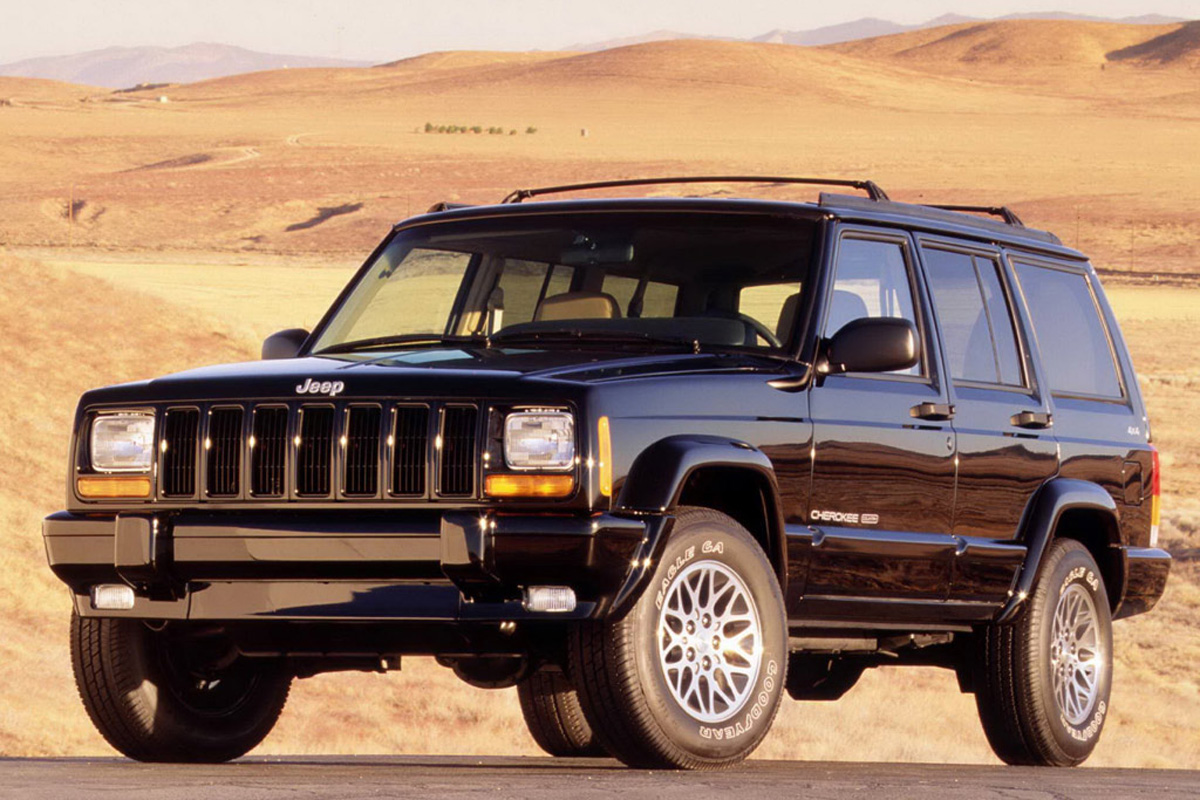
- Jeep Cherokee XJ (1984–2001)
- The XJ is a compact SUV with a strong 4.0L inline-six engine. It’s comfortable on-road but very capable off-road. The XJ’s body is lightweight and rust-resistant. It’s easy to find parts and repairs are straightforward. Prices have risen lately, showing strong demand.
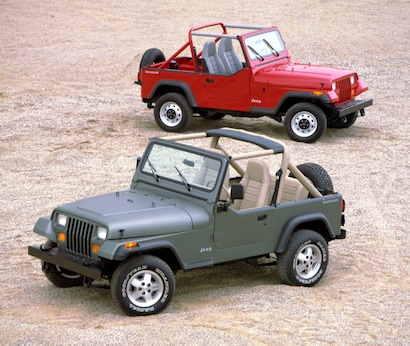
- Jeep Wrangler YJ (1987–1995)
- The YJ brought square headlights and a more modern interior. It’s tougher than it looks, with coil springs and a solid frame. The YJ is often cheaper than older CJs but still delivers classic Jeep performance. Many owners swap engines and upgrade axles.
- Jeep Grand Wagoneer (1984–1991)
- This model is famous for its wood-panel look and luxury features. It’s large, comfortable, and has a powerful V8 engine. The Grand Wagoneer is less suited for hard off-roading but offers a unique vintage style.
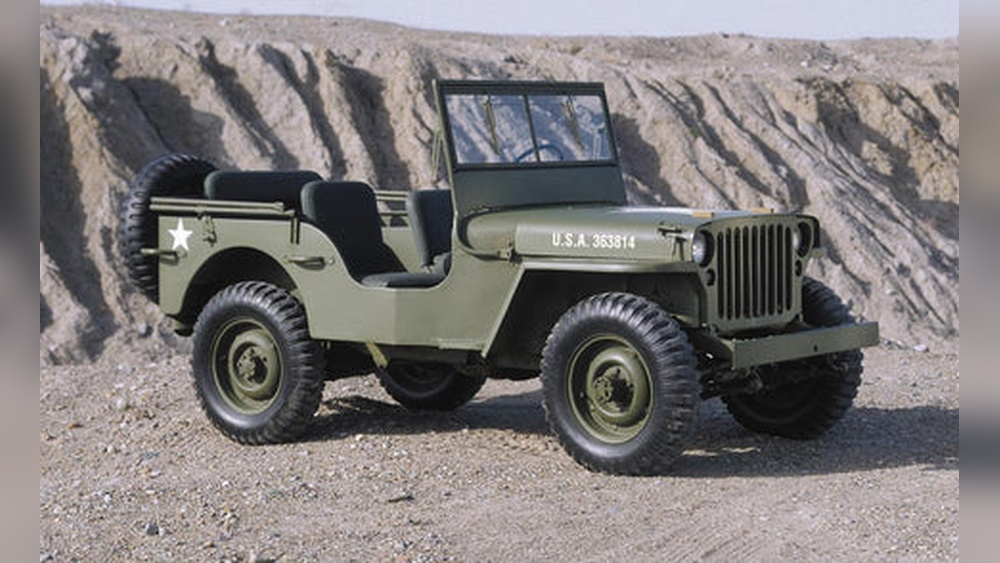
- Jeep Willys MB (1941–1945)
- The original WWII Jeep, the Willys MB, is a collector’s dream. It’s rare, simple, and represents Jeep’s roots. Most buyers seek restored models, as original Willys MBs are hard to find and expensive.
Comparing Old Jeep Models
Let’s look at key differences between the top models:
| Model | Engine | Year Range | Off-road Ability | Parts Cost |
|---|---|---|---|---|
| CJ-7 | Inline-6, V8 | 1976-1986 | Excellent | Low |
| Cherokee XJ | 4.0L I6 | 1984-2001 | Very Good | Low |
| Wrangler YJ | 2.5L I4, 4.0L I6 | 1987-1995 | Very Good | Medium |
| Grand Wagoneer | V8 | 1984-1991 | Moderate | High |
| Willys MB | 2.2L I4 | 1941-1945 | Good | Very High |
What To Check When Buying
Buying an old Jeep is more than just picking a model. Check these important points before making a deal:
- Rust: Look under the body, around the frame, and wheel wells. Jeeps often rust in hidden places.
- Engine condition: Start the Jeep and listen for knocks, smoke, or leaks.
- Transmission and axles: Check for smooth shifting and listen for grinding sounds.
- Title and history: Make sure the Jeep has a clear title and no flood or accident history.
- Parts availability: Some rare Jeeps may be hard to fix due to missing parts.
Here is a quick checklist for inspection:
| Area | What to Check | Common Issues |
|---|---|---|
| Frame | Rust, cracks | Rust holes, weak spots |
| Engine | Leaks, noises | Oil leaks, overheating |
| Transmission | Shifting, fluid | Slipping, dirty fluid |
| Body | Dents, paint | Rust, faded paint |

Non-obvious Tips For Buying
Many buyers miss these important points:
- Check VIN numbers: Some old Jeeps have swapped engines or frames. Make sure the VIN matches the title and the vehicle.
- Test for electrical issues: Older Jeeps sometimes have wiring problems, which can cause lights or gauges to fail.
- Drive at highway speeds: Some Jeeps handle well off-road but feel unsafe on highways. Always test both city and highway driving.
Price And Value
Prices vary based on model, year, and condition. For example, a clean CJ-7 can cost $10,000 $20,000.
An XJ in good shape sells for $6,000 $12,000. Rare Willys MBs can reach $30,000+.
Always compare prices and look for signs of restoration quality.
Here’s how prices compare:
| Model | Average Price (USD) | Restore Cost (USD) |
|---|---|---|
| CJ-7 | $12,000 | $5,000–$15,000 |
| Cherokee XJ | $8,000 | $3,000–$8,000 |
| Wrangler YJ | $10,000 | $4,000–$10,000 |
| Grand Wagoneer | $15,000 | $8,000–$20,000 |
| Willys MB | $28,000 | $15,000–$30,000 |
Where To Find Old Jeeps
You can buy old Jeeps from private sellers, classic car dealers, or online auctions. Websites like Bring a Trailer, Hemmings, and local Jeep clubs are great places to start.
Always check seller reviews and ask for detailed photos.
For more history and specs about Jeep models, visit Wikipedia.
Frequently Asked Questions
What Is The Best Old Jeep For Beginners?
The Cherokee XJ is often best for beginners. It’s reliable, parts are cheap, and it’s easy to drive.
Are Old Jeeps Expensive To Maintain?
Maintenance costs depend on the model and condition. XJs and CJ-7s are cheaper, while Willys MB and Grand Wagoneer can be expensive.
How Can I Avoid Buying A Rusty Jeep?
Always inspect the frame and body panels. Ask for detailed undercarriage photos.
Use a magnet to check for hidden rust.
Is It Hard To Find Parts For Old Jeeps?
Most parts are available for popular models like the CJ-7 and XJ. Rare Jeeps like Willys MB need specialty sources.
Can Old Jeeps Be Used As Daily Drivers?
Some, like the Cherokee XJ, are comfortable for daily use. Older models may lack safety features and ride comfort.
Finding the best old Jeep is about knowing your needs, checking condition, and understanding value. Whether you want a rugged off-roader or a classic collector’s item, there’s a Jeep for every taste.
Take your time, do your homework, and soon you’ll enjoy the adventure that only an old Jeep can bring.