The Jeep Grand Cherokee is famous for blending rugged capability with modern technology. One feature that stands out is Parksense, a system designed to make parking easier and safer. Many drivers wonder what Parksense actually does, how it works, and why it matters. Here’s a practical guide that explains everything about Parksense on the Jeep Grand Cherokee, including its benefits, limitations, and tips for using it effectively.
What Is Parksense?
Parksense is a parking assistance system found on many Jeep Grand Cherokee models. It uses sensors to help drivers detect obstacles when parking, especially in tight spaces. The system alerts you with beeps and visual warnings if you get too close to something behind or in front of your vehicle.
Unlike basic sensors, Parksense provides a more advanced experience. It can even help with parallel parking and sometimes includes automatic braking if you don’t react fast enough.

Parksense is not just a luxury; it’s a practical tool that helps prevent minor accidents and reduces stress.
How Parksense Works
Parksense relies on a set of ultrasonic sensors, usually placed in the front and rear bumpers. These sensors send out sound waves and measure how long it takes for them to bounce back from nearby objects.
The system then calculates the distance and alerts the driver if something is too close.
Here’s a quick breakdown of how it works:
- Detects obstacles while parking.
- Sends audio alerts (beeps) that get faster as you approach an object.
- Displays visual warnings on the dashboard or infotainment screen.
- May apply brakes if a collision is about to happen (on newer models).
The system is active at low speeds, usually under 8 mph, which covers most parking situations.
Parksense Features And Types
The Grand Cherokee offers different Parksense features depending on the model year and trim level. Some common options include:
- Rear Parksense: Sensors in the rear bumper to help with backing up.
- Front Parksense: Sensors in the front bumper for forward parking.
- Parallel and Perpendicular Park Assist: Advanced systems that can help steer the vehicle into parking spaces.
Below is a table comparing Parksense features across various Grand Cherokee trims:
| Trim Level | Rear Parksense | Front Parksense | Park Assist |
|---|---|---|---|
| Laredo | Standard | Optional | Not Available |
| Limited | Standard | Standard | Optional |
| Overland | Standard | Standard | Standard |
| Summit | Standard | Standard | Standard |
Benefits Of Parksense
Parksense offers several advantages for Jeep Grand Cherokee drivers:
- Reduces the risk of accidents by warning you of hidden objects.
- Makes parking easier in crowded lots or garages.
- Saves money by preventing minor damage and repairs.
- Boosts driver confidence for those who dislike tight spaces.
Many owners report that Parksense has helped them avoid scraping their bumpers or hitting unseen poles. For families, the system is especially useful when parking near playgrounds or in busy shopping centers.
Common Mistakes And Limitations
While Parksense is helpful, it’s not foolproof. Here are some mistakes drivers often make:
- Ignoring alerts: Some people get used to the beeps and stop paying attention.
- Trusting the system blindly: Parksense cannot detect every obstacle, such as very thin objects or low curbs.
- Dirty sensors: Mud or snow can block the sensors, reducing accuracy.
Parksense is meant to assist, not replace careful driving. Always check your surroundings, even if the system is active.
Below is a table showing the types of obstacles Parksense can and cannot detect:
| Obstacle | Detected | Not Detected |
|---|---|---|
| Large Vehicles | ✔ | |
| Walls | ✔ | |
| Small Posts | ✔ | |
| Low Curbs | ✔ | |
| Thin Metal Rods | ✔ | |
| Snowbanks | ✔ |
Tips For Using Parksense Effectively
To get the most from Parksense, follow these practical tips:
- Keep sensors clean: Wipe the bumpers regularly to avoid false alerts.
- Listen to the beeps: The closer the sound, the nearer you are to an object.
- Check the dashboard: Visual cues help you see which side is closest to danger.
- Don’t rely only on Parksense: Use your mirrors and camera for a full view.
- Practice in an empty lot: Try the system a few times to understand its alerts.
One insight many new drivers miss is that Parksense’s effectiveness improves when you slow down and pay attention. Fast parking can confuse the sensors.
Parksense Vs Other Parking Systems
You might wonder how Parksense compares to other brands’ parking aids. Jeep’s system is reliable and easy to use, but there are differences in technology.
Below is a quick comparison with similar systems:
| Brand | Sensor Type | Automatic Braking | Park Assist |
|---|---|---|---|
| Jeep (Parksense) | Ultrasonic | Yes (Some models) | Yes (Higher trims) |
| Ford (Active Park Assist) | Ultrasonic + Camera | Yes | Yes |
| Toyota (Intelligent Parking) | Ultrasonic | Yes | Yes |
| Honda (Parking Sensors) | Ultrasonic | No | No |
Jeep’s Parksense stands out for its automatic braking and integration with the vehicle’s display.
Frequently Asked Questions
What Does Parksense Beep Mean?
The beep signals that you’re getting close to an object. The faster the beeps, the nearer you are. When the sound becomes continuous, you should stop immediately.
Can Parksense Be Turned Off?
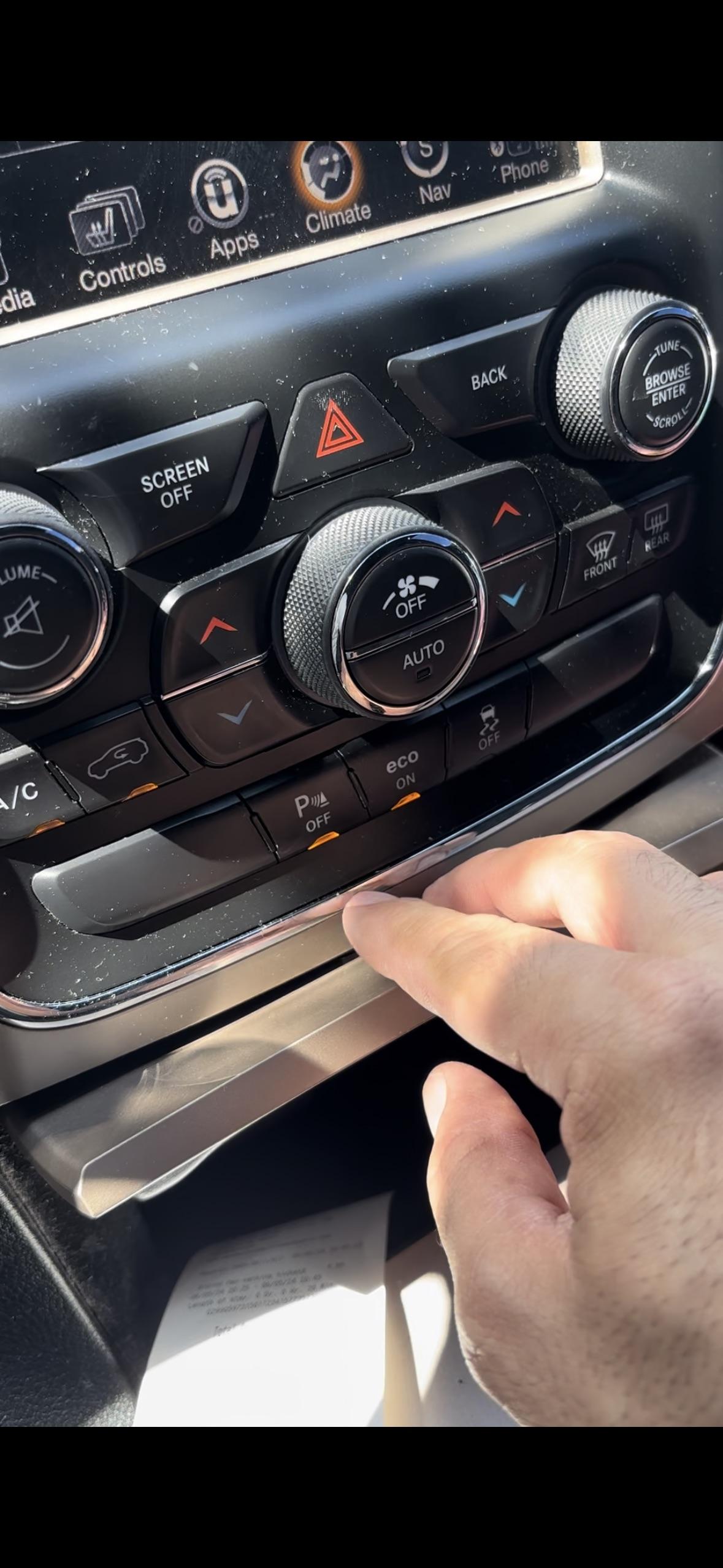
Yes. There’s usually a button near the dashboard or in the vehicle settings to disable Parksense if you don’t want alerts.
Does Parksense Work In All Weather Conditions?
Parksense works in most weather, but heavy rain, snow, or mud can block sensors. Always check if the sensors are clean for best performance.
Is Parksense Standard On All Grand Cherokees?
No. Basic Parksense (rear sensors) is standard on most trims, but advanced features like front sensors and park assist are only available on higher models.
Is Parksense The Same As A Backup Camera?
No. Parksense uses sensors for audio and visual alerts, while a backup camera shows you what’s behind the vehicle. Both work together to help you park safely.
Parksense is a smart feature that makes the Jeep Grand Cherokee easier and safer to park. If you want more technical details, visit the official Jeep website or check out Jeep Grand Cherokee for up-to-date information. With a little practice, Parksense can become one of your favorite tools for daily driving.