Exploring the Off Road Jeep Rubicon: Features, Performance, and Practical Insights
The Jeep Rubicon is a name that stands out among off-road vehicles. For many, it’s the dream machine for tackling rough terrain, rocky trails, and muddy roads. But what makes the Rubicon special, and why do enthusiasts and beginners alike choose it as their go-to off-road SUV? This article breaks down the essentials of the Jeep Rubicon, compares it to other Jeep models, and explains why it’s more than just a regular SUV. Whether you’re new to off-roading or curious about the Rubicon’s capabilities, you’ll find clear answers and helpful tips.
What Is The Off Road Jeep Rubicon?
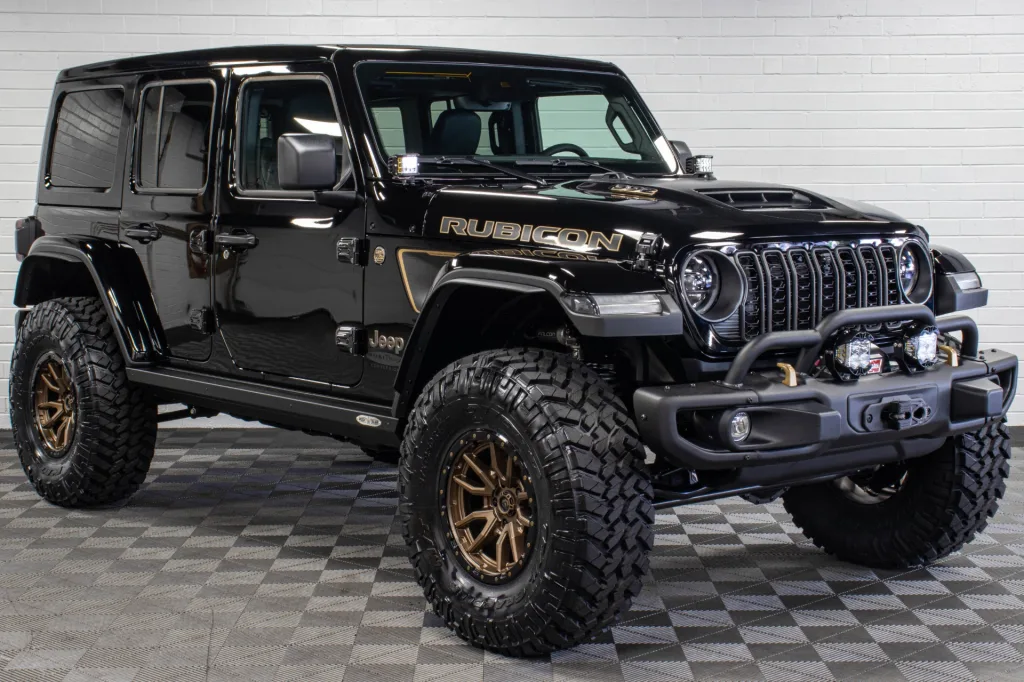
The Jeep Rubicon is a specific model in the Jeep Wrangler family. It’s designed for off-road adventures, meaning it can handle tough surfaces like rocks, sand, snow, and mud. The Rubicon gets its name from the Rubicon Trail in California, one of the most famous and challenging off-road routes in the United States.
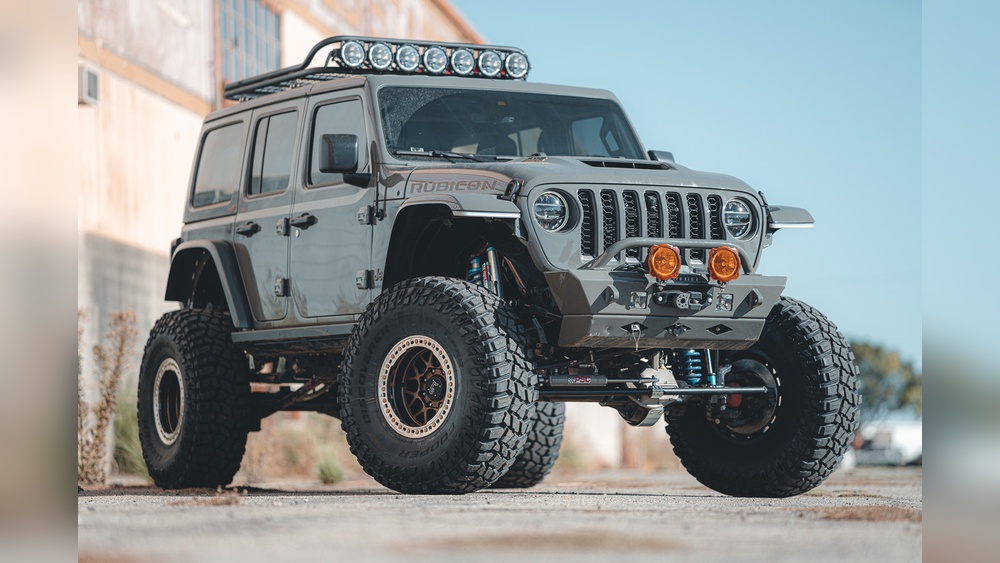
Unlike standard SUVs, the Rubicon comes with special features for off-roading, including strong axles, advanced 4×4 systems, and higher ground clearance. It’s built to survive places where ordinary vehicles would struggle or get stuck.
You can drive a Rubicon on city streets, but its true abilities shine away from paved roads.
Key Features That Set Rubicon Apart
The Rubicon is packed with unique off-road features. Here are the most important ones:
- Rock-Trac 4×4 System: This system gives you more control and power when driving on rough terrain.
- Locking Differentials: Both front and rear wheels can lock together, helping you get out of tricky spots like deep mud or uneven rocks.
- Disconnecting Sway Bar: With a push of a button, you can disconnect the sway bar for more wheel movement, allowing the Rubicon to climb over larger obstacles.
- High Ground Clearance: The Rubicon sits higher than most SUVs, so you won’t scrape the bottom when crossing rocks or logs.
- All-Terrain Tires: These tires grip better on dirt, sand, and snow, making the Rubicon safer and more reliable off-road.
- Skid Plates: Metal plates under the vehicle protect important parts from damage when going over sharp rocks.
These features are not just marketing; they are tested on real trails and make a big difference for off-road driving.

Rubicon Vs Other Jeep Wrangler Models
To understand why the Rubicon stands out, it helps to compare it to other Jeep Wrangler models. Here’s a quick look at how Rubicon stacks up:
| Feature | Rubicon | Sport | Sahara |
|---|---|---|---|
| 4×4 System | Rock-Trac | Command-Trac | Command-Trac |
| Locking Differentials | Front & Rear | No | No |
| Sway Bar Disconnect | Yes | No | No |
| Ground Clearance (inches) | 10.8 | 9.7 | 9.7 |
| All-Terrain Tires | Standard | Optional | Optional |
As you can see, the Rubicon has more advanced off-road tools. Beginners often overlook the importance of locking differentials and sway bar disconnect. These features are essential if you want to safely drive over rocks or through deep mud.
Performance And Real-world Capability
The Rubicon is not just strong on paper. It performs well in real situations. Here are some numbers and examples:
- Approach Angle: 44 degrees, which means the Rubicon can climb steep hills without the bumper hitting the ground.
- Departure Angle: 37 degrees, letting you leave obstacles without damage.
- Water Fording Depth: Up to 30 inches, so you can cross rivers or flooded areas.
- Towing Capacity: Up to 3,500 lbs, enough for small trailers or boats.
Many owners use their Rubicons to explore national parks, mountain trails, and remote campsites. Some even join off-road clubs or events, where Rubicons are often the most capable vehicles.
| Capability | Rubicon | Average SUV |
|---|---|---|
| Ground Clearance (inches) | 10.8 | 7.5 |
| Water Fording (inches) | 30 | 16 |
| Approach Angle (degrees) | 44 | 18 |
| Towing Capacity (lbs) | 3,500 | 2,000 |
One non-obvious insight: Some beginners believe any 4×4 vehicle can handle all off-road situations. In reality, features like locking differentials and high ground clearance are critical. Even skilled drivers can get stuck without them.
Practical Buying Tips And Common Mistakes
If you’re thinking about buying a Rubicon, keep these tips in mind:
- Don’t Overlook Tires: The stock Rubicon tires are good, but upgrading to more aggressive tread can improve performance.
- Check for Used Models: Used Rubicons often hold their value. But check for signs of heavy off-road use, like dents or rust underneath.
- Understand Maintenance: Off-roading increases wear and tear. Regular checks of suspension, tires, and skid plates are important.
- Avoid Overloading: The Rubicon is strong, but packing too much gear can affect handling and safety.
- Learn the Features: Spend time learning how to use lockers, 4×4 modes, and sway bar disconnect. Many owners forget to use these features, missing out on what makes the Rubicon special.
A common mistake is buying a Rubicon just for looks, without needing its off-road abilities. If you only drive on paved roads, the Rubicon’s extra features might not be worth the cost.
Why Enthusiasts Love The Rubicon
The Rubicon’s reputation comes from real-world success. It’s often chosen by adventurers who need a reliable, tough vehicle.
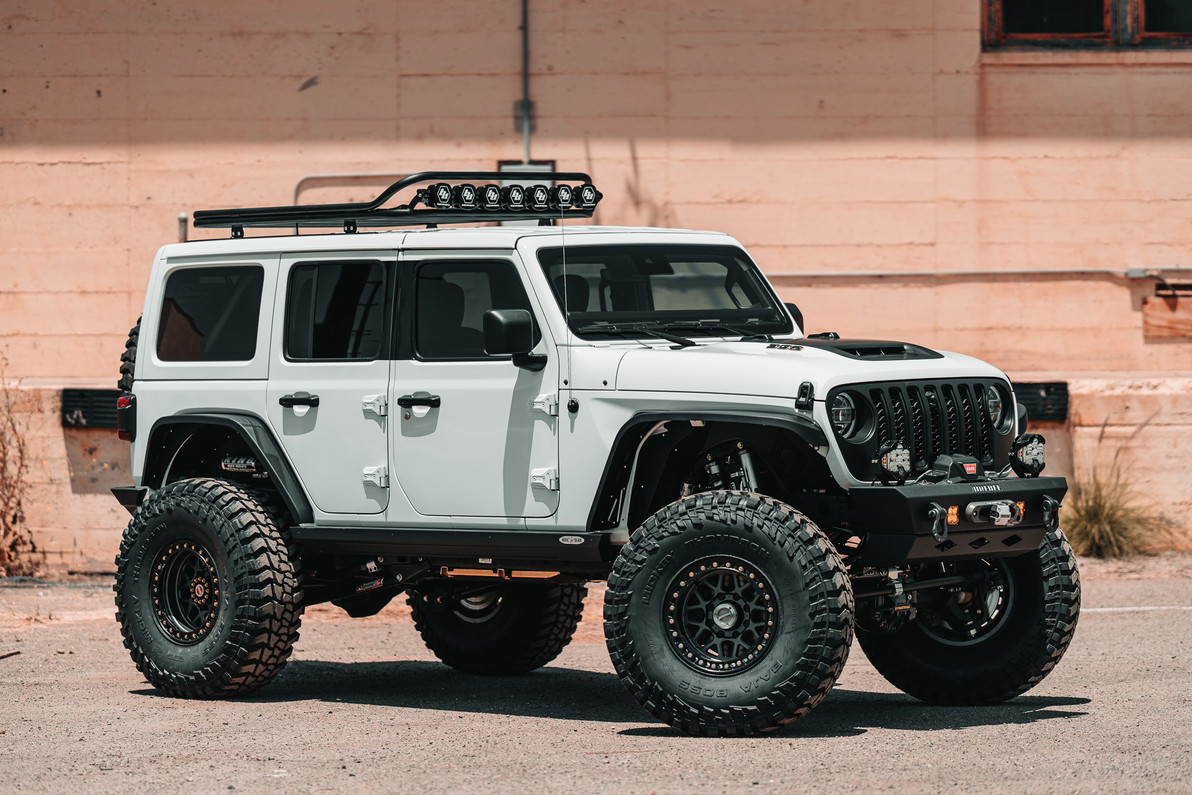
Some Rubicon owners customize their Jeeps with lifts, winches, and lights, making them even more capable.
Another non-obvious insight: The Rubicon’s resale value is high because of its proven durability. Many SUVs lose value quickly, but Rubicons often stay in demand, especially older models with full off-road packages.
For those who want a vehicle that can handle almost any terrain, the Rubicon is a smart choice. It’s also a fun way to learn about off-roading, join Jeep communities, and explore new places.