When your Jeep suddenly loses power and warning lights appear, it can feel alarming. Many Jeep owners have experienced this issue, only to learn their vehicle has entered limp mode.
This safety feature can be confusing if you don’t know why it happens or what to do next. Understanding limp mode can help you react calmly and prevent bigger problems.
What Is Limp Mode On A Jeep?
Limp mode is a built-in safety function in many modern vehicles, including Jeeps. When the car’s computer detects a serious problem, it limits engine performance to protect critical components.

In limp mode, your Jeep may accelerate slowly, shift roughly, or won’t go above certain speeds.
The main goal is to let you reach a repair shop without causing more damage.
Unlike a simple warning light, limp mode changes how your Jeep drives. While it can be stressful, limp mode is designed to prevent breakdowns and expensive repairs.
Common Signs And Symptoms Of Limp Mode
You don’t need advanced tools to notice limp mode. Look out for these clear signs:
- Reduced engine power: The Jeep feels sluggish and won’t speed up normally.
- Transmission stuck in one gear: Usually, it stays in second or third gear.
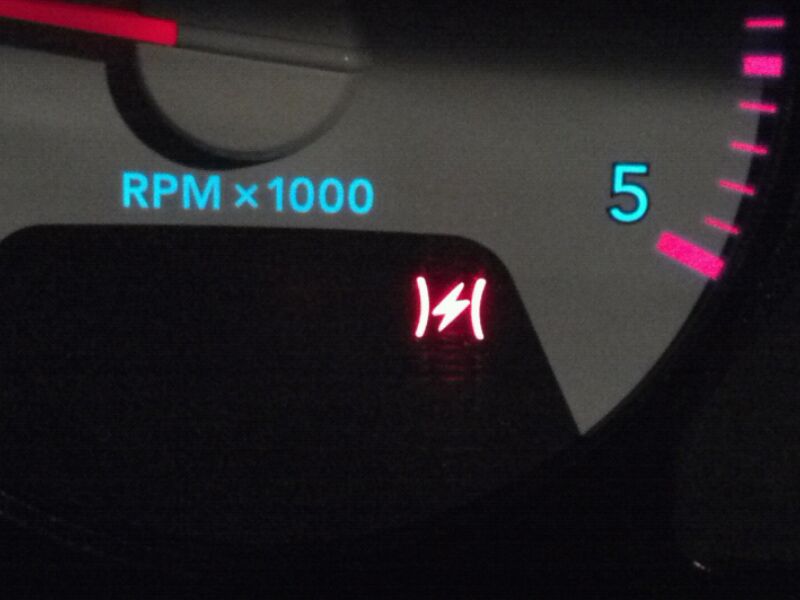
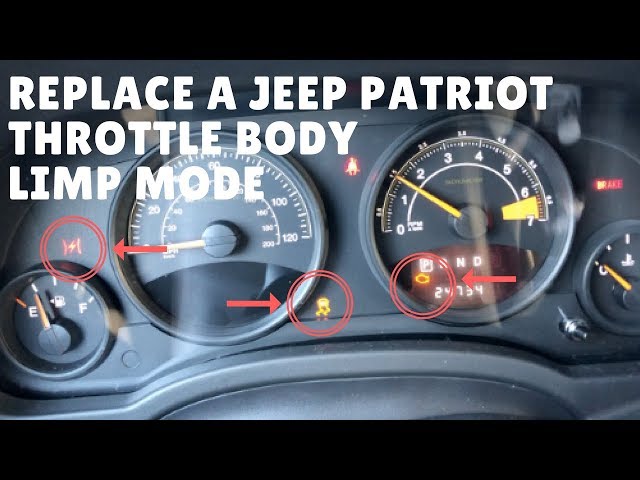
- Check Engine Light or Transmission Light: Either light may flash on your dashboard.
- RPM limit: The engine won’t rev past a certain point, often 2,500–3,000 RPM.
- No cruise control: Some comfort features will stop working.
Here’s a quick comparison of normal operation versus limp mode:
| Function | Normal Mode | Limp Mode |
|---|---|---|
| Acceleration | Responsive | Very slow |
| Gear Shifting | Smooth through all gears | Stuck in lower gear |
| Max Speed | Full range | Limited (25–40 mph) |
| RPM Range | Up to redline | Capped (2,500–3,000) |
What Causes Limp Mode In A Jeep?
Many different issues can trigger limp mode. Here are the most common reasons:
- Transmission problems: Low fluid or a failing sensor can set off limp mode.
- Engine sensor failure: Faulty sensors, like the throttle position sensor, confuse the computer.
- Wiring issues: Damaged or loose wires interrupt signals.
- Overheating: High transmission or engine temperatures tell the car to protect itself.
- Boost leaks: For turbocharged Jeeps, air leaks reduce power and send error codes.
- Faulty solenoids: Bad transmission solenoids stop proper gear shifting.
A real-world example: If your Jeep Cherokee’s transmission fluid is low, the car may slip out of gear. The computer will then limit power to prevent further damage. In older Jeeps, even a loose battery connection can sometimes cause limp mode.
How To Fix Limp Mode On A Jeep
Getting out of limp mode often starts with simple checks, but some problems require professional tools. Here’s what you can do:
- Pull over safely: Don’t keep driving at high speeds. Limp mode is there for a reason.
- Restart your Jeep: Turn off the engine, wait one minute, and restart. Sometimes, this resets the system.
- Check fluid levels: Low oil or transmission fluid can cause limp mode. Top up if needed.
- Inspect wiring and connectors: Look for loose or damaged wires, especially around the battery and sensors.
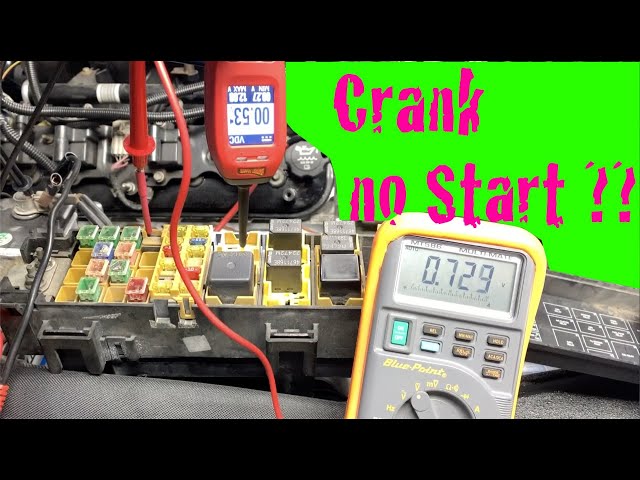
- Use an OBD-II scanner: This device reads fault codes from your Jeep’s computer. Even basic scanners can point you in the right direction.
- Visit a mechanic: If basic checks don’t work, a trained technician can diagnose complex issues.
Here’s a comparison of DIY fixes versus professional help:
| Step | DIY Possible? | When to Call a Mechanic |
|---|---|---|
| Restarting Engine | Yes | If limp mode returns quickly |
| Checking Fluids | Yes | If levels are normal but limp mode remains |
| Reading Fault Codes | Basic codes | Complex or multiple codes |
| Repairing Wiring | Minor fixes | Major electrical work |
Pro Tip: Many beginners forget to check battery connections. A weak or corroded battery terminal can create sensor errors that send your Jeep into limp mode.

Preventing Limp Mode: Simple Habits
You can’t avoid every problem, but regular care helps. Here’s how to reduce your chances of seeing limp mode:
- Change fluids on time: Fresh oil and transmission fluid keep sensors working.
- Inspect electrical connections regularly.
- Fix warning lights quickly: Don’t ignore the check engine light.
- Don’t overload your Jeep: Towing too much can overheat the transmission.
Many drivers miss that skipping routine maintenance can create small issues that lead to limp mode. For example, a dirty air filter can increase engine strain, which over time may trigger a sensor error.
Is Limp Mode Dangerous?
Limp mode isn’t dangerous by itself. It’s designed to keep you safe and prevent major engine or transmission damage. However, it does limit your driving speed, which can be risky on highways or busy roads. If limp mode activates, use hazard lights and drive to the nearest safe spot.
Never try to “push through” limp mode by forcing your Jeep to go faster. This can turn a small repair into a major breakdown.
When To Seek Professional Help
If your Jeep stays in limp mode after basic troubleshooting, it’s time to get expert help. Mechanics have advanced scanners and experience with Jeep-specific issues.
They can find hidden problems that basic checks miss.
One insight many owners overlook: Not all auto shops are equal. Choose a service center with experience in Jeep diagnostics—especially for newer models with advanced electronics.