Jeep vehicles are famous for their ability to handle rough roads, mud, and steep hills. But if you’ve looked under the hood or read Jeep specs, you may have seen the term Trac Lok and wondered what it means.
This article explains what Jeep Trac Lok is, how it works, and why it matters for drivers. If you want to understand this feature better before buying a Jeep or using it off-road, you’re in the right place.
What Is Jeep Trac Lok?
Trac Lok (also written as Trac-Lok) is a type of limited-slip differential (LSD) used in many Jeep models. Unlike a regular open differential, Trac Lok helps both wheels on an axle spin together when traction is low. This makes the vehicle better at handling mud, snow, rocks, or slippery surfaces.
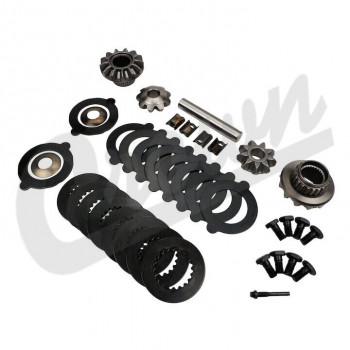
A limited-slip differential is not exclusive to Jeeps. Many brands use LSDs, but Trac Lok is Jeep’s name for its own design. It’s commonly found in the rear axle of models like the Jeep Wrangler, Jeep Grand Cherokee, and Jeep Gladiator. Some older Jeeps also used it, making it a classic feature.
How Does Trac Lok Work?
The main job of Trac Lok is to balance power between the left and right wheels. When one wheel loses grip (for example, in mud), Trac Lok transfers some torque to the wheel with more traction.
This process happens automatically, without the driver needing to push any buttons.
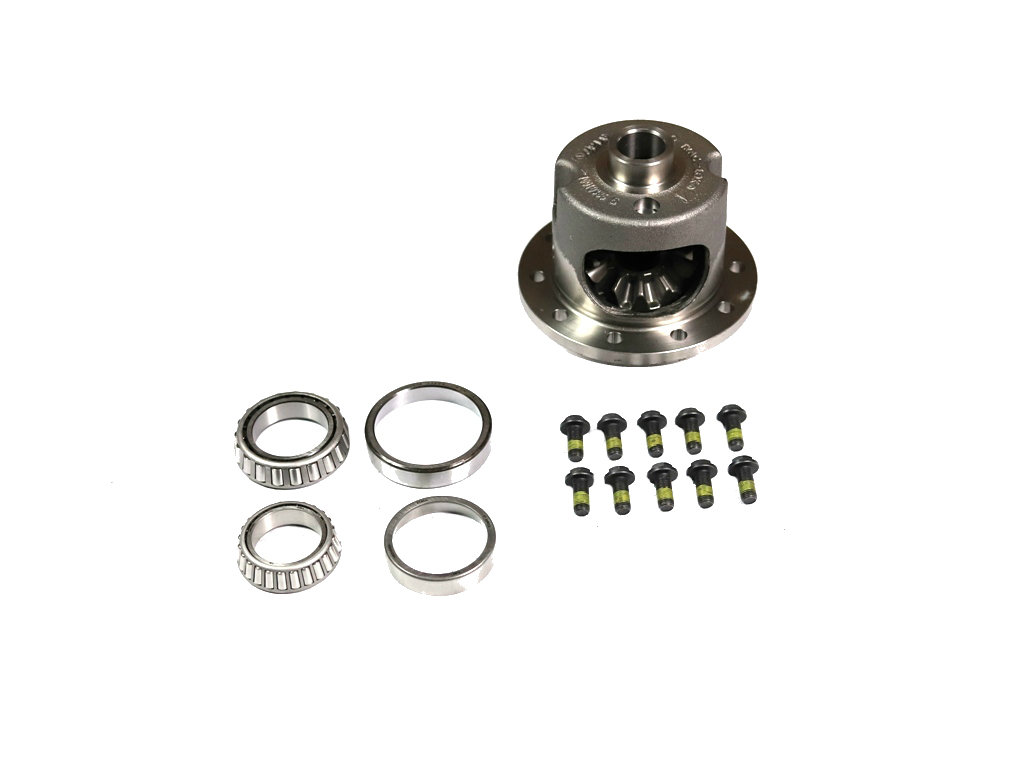
Inside a Trac Lok differential, you’ll find special clutch plates and springs. These parts sense when one wheel spins faster than the other. If slippage happens, the clutch plates press together, forcing both wheels to turn at similar speeds.
Here’s a simple breakdown:
- Normal driving: Both wheels spin freely for smooth turns.
- Slippery surface: One wheel starts slipping.
- Activation: Clutch plates grip, directing more power to the wheel with traction.
- Improved movement: Jeep moves forward even when one wheel is on ice or mud.
Many drivers don’t notice Trac Lok working because it’s seamless. But in tough conditions, it can be the difference between getting stuck and moving forward.
Trac Lok Vs Other Differentials
Jeep offers different types of differentials, but what makes Trac Lok special? Let’s compare it with two common types: Open Differential and Locking Differential.
| Differential Type | Main Feature | Best Use | Drawback |
|---|---|---|---|
| Open Differential | Even power split | Normal road driving | Poor traction off-road |
| Trac Lok (LSD) | Automatic power shift | Mud, snow, light off-road | Limited locking strength |
| Locking Differential | Full axle lock | Extreme off-road | Hard to use on pavement |
Trac Lok sits between open and locking differentials. It gives better traction than an open diff but is easier to drive on paved roads than a full locker. This makes it popular for Jeeps used both on-road and off-road.
Which Jeep Models Use Trac Lok?
Not every Jeep has Trac Lok. Some models offer it as standard, others as an option. Here are examples:
- Jeep Wrangler (JL and JK): Available on several trims.
- Jeep Gladiator: Offered with certain axle packages.
- Jeep Grand Cherokee: Found in some off-road and towing packages.
- Jeep Cherokee: Available in select trims.
If you’re shopping for a Jeep, look for the Trac Lok option in the specs. Sometimes it’s bundled with towing or off-road packages, adding value.
Real-world Benefits Of Trac Lok
Drivers often ask, “Is Trac Lok worth it?” Here are some reasons why it’s useful:
- Better traction: Helps keep your Jeep moving when one wheel slips.
- Safer driving: Reduces risk of getting stuck in snow, mud, or sand.
- Towing: Improves grip when pulling trailers.
- Low maintenance: Works automatically without driver input.
A helpful example: If you’re driving a Jeep Wrangler with Trac Lok and one rear wheel is on ice, Trac Lok sends power to the wheel on dry pavement. You don’t have to stop or adjust your driving.
Limitations And Common Misunderstandings
Trac Lok is strong, but it’s not perfect. Some beginners think it works like a locking differential, but it doesn’t fully lock both wheels together.
If both wheels lose traction, Trac Lok can’t help much.
Another point: Over time, the clutch plates inside Trac Lok can wear out. If you notice your Jeep slipping more than usual, it may be time for maintenance. Many owners forget about this, leading to reduced performance.
Here’s a comparison of Trac Lok vs Locking Differential in off-road situations:
| Situation | Trac Lok | Locking Differential |
|---|---|---|
| One wheel on mud | Transfers power, moves forward | Locks both wheels, moves forward |
| Both wheels lose grip | Limited help | Full control, can move |
| Sharp turns on pavement | Smooth, no issue | Can cause tire wear |

How To Maintain Trac Lok
To keep Trac Lok working well, regular maintenance is important. Jeep recommends checking the differential fluid every 30,000 miles or sooner if you drive off-road often. Use the right fluid and add friction modifier as specified in your Jeep manual.
Here are some tips:
- Inspect for leaks.
- Replace clutch plates if slipping increases.
- Use high-quality gear oil with friction modifier.
- Avoid aggressive driving that stresses the differential.
Many Jeep owners miss the friction modifier step, which is crucial for Trac Lok’s smooth operation.
Is Trac Lok Right For You?
If you drive your Jeep mainly on roads but want extra traction for weekend adventures, Trac Lok is a smart choice. It’s also helpful for snowy climates or towing. For serious rock crawling, a locking differential might be better, but for most drivers, Trac Lok offers a great balance.
If you want more technical details, visit the official Jeep site or refer to trusted sources like Wikipedia.
Frequently Asked Questions
What’s The Difference Between Trac Lok And Locking Differentials?
Trac Lok is a limited-slip differential, which automatically transfers power to the wheel with more traction. A locking differential fully locks both wheels together for maximum grip, which is better for extreme off-road but harder to use on pavement.
Can I Add Trac Lok To My Jeep If It Doesn’t Have It?
Yes, many Jeeps can be upgraded with a Trac Lok unit. This involves changing the rear axle differential.
It’s best to have a mechanic do the installation to ensure proper fit and function.
Does Trac Lok Require Special Fluid?
Yes, Trac Lok needs gear oil with a friction modifier. This helps the clutch plates operate smoothly. Always check your Jeep owner’s manual for the recommended fluid type.
How Do I Know If My Jeep Has Trac Lok?
Check your vehicle’s build sheet or owner’s manual. You can also look for a sticker on the axle or ask your dealer.
If your Jeep came with a towing or off-road package, Trac Lok may be included.
Is Trac Lok Good For Everyday Driving?
Absolutely. Trac Lok works automatically and doesn’t affect normal driving.
It provides extra safety on slippery roads and is smooth during turns and daily use.
If you’re considering a Jeep or want to upgrade your current one, knowing about Trac Lok can help you make a smarter choice. It’s a proven technology that balances performance, safety, and convenience for many drivers.