If you’ve searched for a new or used Jeep, you might have noticed some models labeled as “flex fuel.” Many drivers wonder what this means and whether it’s a good option for them.
Let’s break down Jeep flex fuel technology in simple terms, look at its benefits and drawbacks, and see if it’s the right choice for your lifestyle.
What Does Flex Fuel Mean In Jeeps?
Flex fuel refers to vehicles that can run on more than one type of fuel. In most cases, this means a mix of regular gasoline and E85 ethanol fuel (which is 85% ethanol and 15% gasoline). Jeep flex fuel vehicles are designed with special parts that can handle the higher ethanol content in E85.
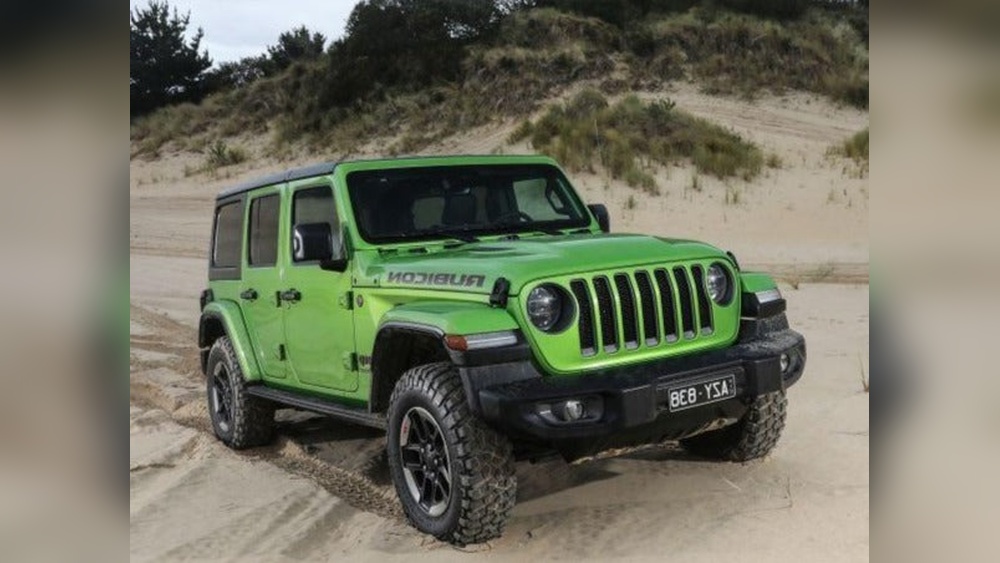
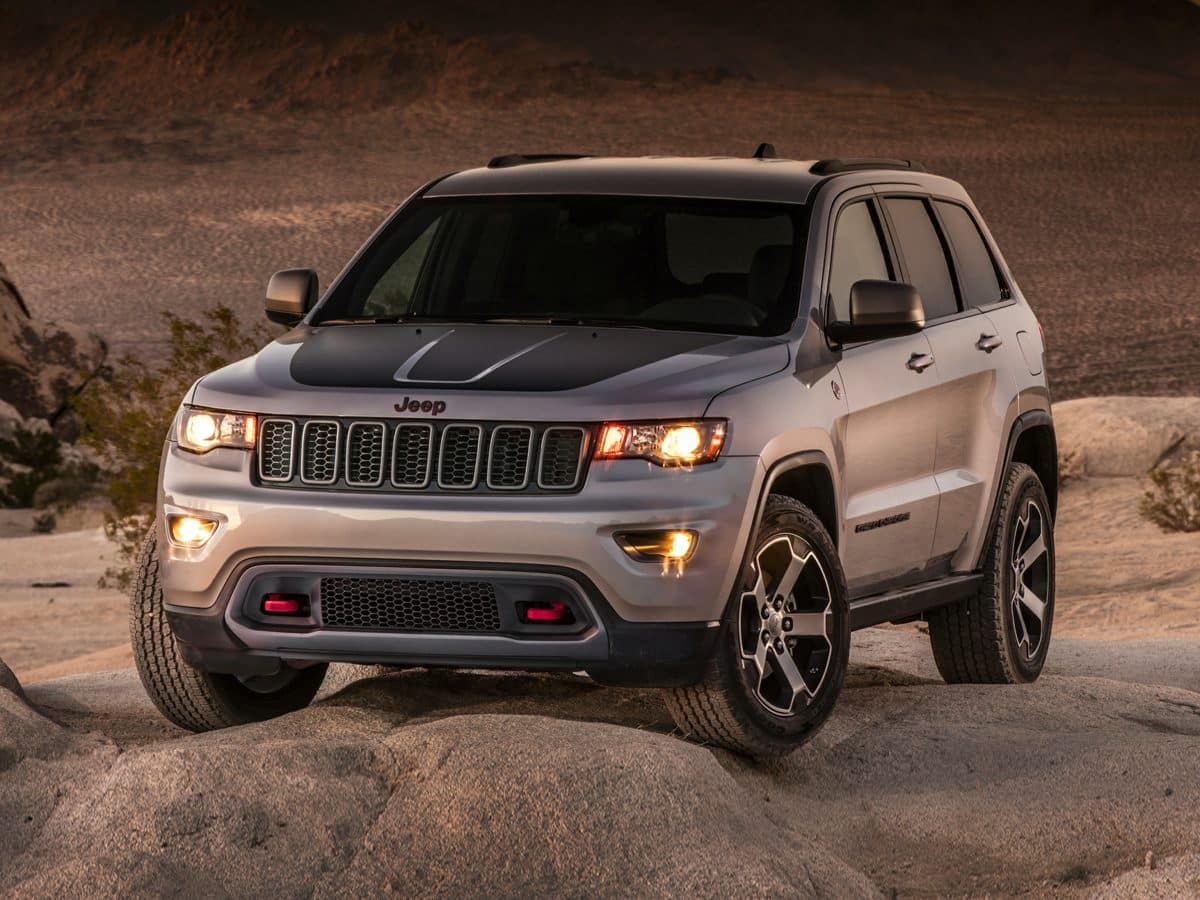
Not every Jeep is flex fuel. The label usually appears on the rear of the vehicle or in the owner’s manual. Common flex fuel Jeep models include some versions of the Jeep Grand Cherokee, Jeep Commander, and Jeep Wrangler.
How Does Jeep Flex Fuel Work?
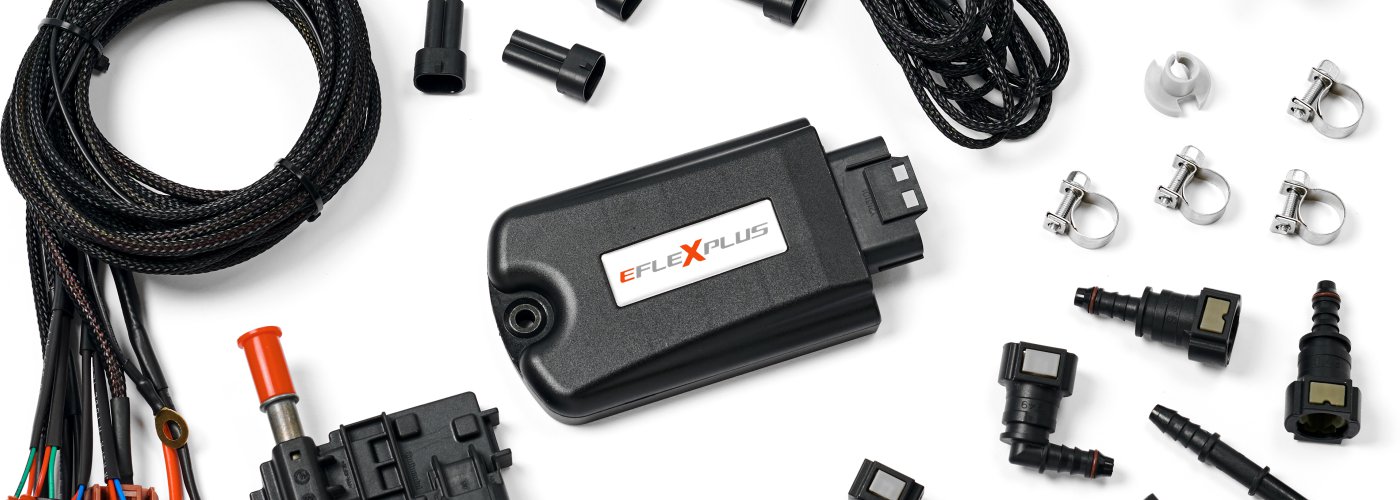
Jeep flex fuel vehicles have sensors and parts that adjust based on the type of fuel in the tank. The main changes compared to a regular gasoline Jeep are:
- Fuel injectors and fuel lines made to resist ethanol’s corrosive effects.
- Engine control modules that sense the fuel mix and change timing for the best performance.
- Fuel tanks that can handle both gasoline and E85.
You can fill up with either gasoline, E85, or mix them in any ratio. The Jeep will adjust automatically—no action needed from you.
Simple Comparison: Flex Fuel Vs. Regular Gasoline Jeep
Here’s a quick look at the main differences:
| Feature | Flex Fuel Jeep | Regular Gasoline Jeep |
|---|---|---|
| Fuel Options | Gasoline, E85, or both | Gasoline only |
| Engine Materials | Special ethanol-resistant parts | Standard parts |
| Emissions | Lower (with E85) | Standard |
| Fuel Economy | Lower with E85 | Normal |
Benefits Of Jeep Flex Fuel Vehicles
Choosing a Jeep flex fuel model gives you some useful advantages:
- Flexible Fueling: Use whatever is available—regular gasoline or E85. This flexibility can be helpful if you travel or live in areas with E85 pumps.
- Lower Emissions: E85 produces less greenhouse gas than gasoline, so it’s better for the environment.
- Potential Cost Savings: E85 is often cheaper per gallon than regular gas. However, you’ll need to consider that fuel economy drops with E85.
- No Performance Loss: Modern Jeep flex fuel engines adjust power and timing so you don’t notice much difference in everyday driving.
Data Snapshot: E85 Vs. Gasoline
Here’s a look at real-world numbers to help you decide:
| Fuel Type | Average Price (US, 2024) | CO₂ Emissions Reduction | Typical MPG (Grand Cherokee V6) |
|---|---|---|---|
| Gasoline | $3.50/gallon | 0% | 20 MPG |
| E85 | $2.60/gallon | ~20% less | 15 MPG |
*Note: E85 reduces emissions but also reduces mileage per gallon.*
Drawbacks And Limitations
While flex fuel offers more options, there are some important points to keep in mind:
- Lower Fuel Economy with E85: Ethanol contains less energy than gasoline. Expect 20–30% fewer miles per gallon when using E85.
- E85 Availability: Not all gas stations offer E85. It’s more common in the Midwest but rare in some states.
- Not Always Cheaper: Lower price per gallon does not always mean lower cost per mile. Calculate based on your local prices.
- Possible Engine Wear: Though flex fuel Jeeps are designed for E85, long-term use of high-ethanol fuels can lead to more frequent maintenance in rare cases.
Common Beginner Mistake
Many people think flex fuel means better performance or savings in all cases. The truth is, savings depend on local E85 prices and how much you drive.
Always check how many E85 stations are near your routes before choosing a flex fuel Jeep.

Is Jeep Flex Fuel Right For You?
Deciding if a Jeep flex fuel vehicle is a good fit depends on your needs. Here are a few situations where it makes sense:
- You live near several E85 stations and want the option to use cheaper, cleaner fuel.
- You value lowering your environmental impact, even if fuel economy drops a bit.
- You want a Jeep that offers maximum flexibility for travel.
However, if E85 is rare in your area, or you drive mostly long distances and need the best possible fuel economy, a standard gasoline Jeep might be better.
Example Scenario
Imagine you drive 15,000 miles per year in a flex fuel Jeep Grand Cherokee. If you use E85 for half your miles, you might save a few hundred dollars and cut emissions.
But if E85 is hard to find, you may not see much benefit.
Jeep Flex Fuel Model Availability
Flex fuel availability changes by model year and engine type. Here’s a sample of Jeep models that have offered flex fuel options in recent years:
| Jeep Model | Years Available | Flex Fuel Engine Option |
|---|---|---|
| Grand Cherokee | 2007–2022 | 3.6L V6, 4.7L V8, 5.7L V8 |
| Wrangler | 2012–2021 | 3.6L V6 |
| Commander | 2007–2010 | 4.7L V8 |
Always check your Jeep’s VIN or owner’s manual to confirm if your vehicle supports flex fuel.