The Jeep Cherokee WK is a name that confuses many car buyers and enthusiasts. Most people know the Jeep Grand Cherokee, but the WK label adds a layer of mystery.
If you’re thinking about buying a used Jeep SUV or just want to understand the terminology, this article breaks down what “WK” really means, how it fits into the Jeep lineup, and why it matters.
Jeep Cherokee Wk: What Does “wk” Mean?
The WK is not just a random set of letters. Jeep uses internal codes to identify generations and models. For the Grand Cherokee, “WK” refers to the third generation, produced from 2005 to 2010. This code helps dealers, mechanics, and owners talk about parts, upgrades, and compatibility.
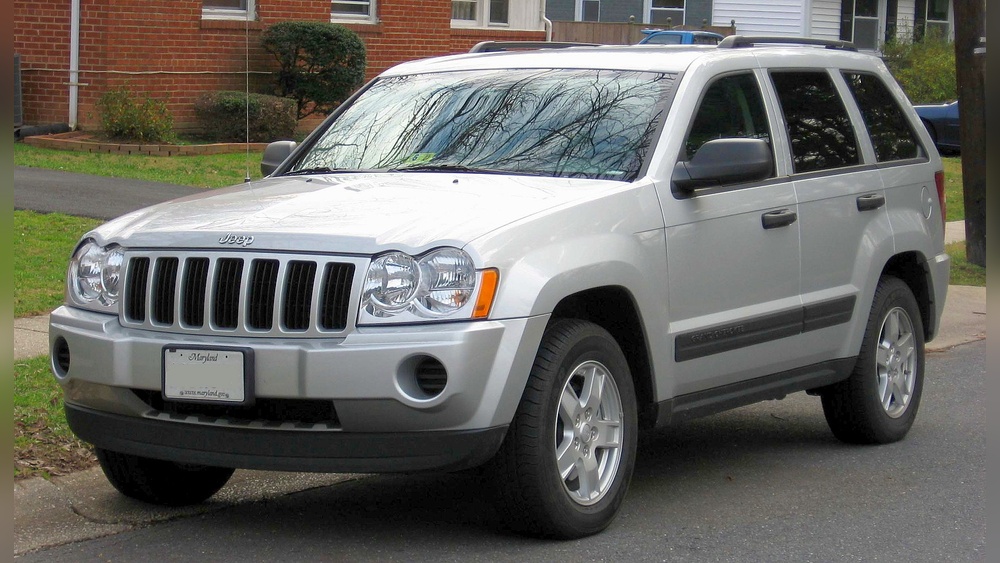
But here’s the twist: The WK label has also been used to describe the fourth-generation Grand Cherokee (2011–2021), especially in parts catalogs and forums. This happened because the official code for the fourth generation is “WK2,” but many people shorten it to WK.
So, if you see “Jeep Cherokee WK,” it usually points to the Grand Cherokee, not the regular Cherokee. It’s a detail that trips up even experienced Jeep fans.
Key Features Of The Jeep Grand Cherokee Wk
The WK generation brought major changes to the Grand Cherokee lineup. Here are the standout features:
- Unibody Construction: The WK switched from a body-on-frame to a unibody design. This improved ride comfort and handling.
- Engine Options: Buyers could choose between several engines:
- 3.7L V6 (210 hp)
- 4.7L V8 (235–305 hp, depending on model year)
- 5.7L Hemi V8 (330–357 hp)
- 6.1L SRT8 V8 (420 hp, high-performance model)
- Four-Wheel Drive Systems: The WK offered advanced systems like Quadra-Trac II and Quadra-Drive II, improving off-road ability.
- Interior Upgrades: Compared to earlier models, the WK had more refined interiors, better materials, and improved tech.
Here’s a quick comparison between the second and third generations:
| Feature | WJ (1999–2004) | WK (2005–2010) |
|---|---|---|
| Body Type | Body-on-frame | Unibody |
| Max Horsepower | 265 hp | 420 hp |
| 4WD Options | Quadra-Trac | Quadra-Trac II, Quadra-Drive II |
| Interior Tech | Basic | Advanced |

Wk Vs. Wk2: Clearing Up Confusion
Many buyers see listings for “WK” and “WK2” models. It’s important to know the difference, especially for maintenance and upgrades.
| Generation | Code | Years | Main Changes |
|---|---|---|---|
| Third | WK | 2005–2010 | New chassis, modern engines |
| Fourth | WK2 | 2011–2021 | Improved safety, better tech, new styling |
The WK2 added features like adaptive cruise control, advanced infotainment, and new engine choices. If you want the latest safety and tech, focus on WK2 models.
Why The Wk Matters For Used Buyers
If you’re shopping for a used Grand Cherokee, the WK label helps you know exactly what you’re getting. Here’s why:
- Parts Compatibility: Many parts, especially engine and suspension, are unique to the WK.
- Performance: The WK SRT8 is a favorite among performance fans, thanks to its powerful V8.
- Value: WK models are often cheaper than WK2, but still reliable and capable.
A practical tip: Always check the VIN and model year before buying. Some sellers incorrectly label WK2 models as WK, which can affect your search for parts or upgrades.
Jeep Cherokee Wk In The Real World
The WK is known for its mix of comfort and off-road ability. Owners use it for daily driving, towing, and trail adventures. Here are two non-obvious insights:
- Hidden Rust Issues: WK models, especially in snowy climates, can develop rust in the rear wheel arches. Inspect this area carefully before buying.
- Electrical Problems: The WK introduced new electronics, but some owners report issues with power windows, door locks, and sunroof controls. These are fixable, but worth checking.
Compared to competitors like the Ford Explorer or Toyota 4Runner, the WK offers stronger engines and better off-road features. However, it may use more fuel and require more maintenance.
| Model | Engine Options | Off-Road Features | Fuel Economy (mpg) |
|---|---|---|---|
| Grand Cherokee WK | V6, V8, SRT8 | Quadra-Trac II, Quadra-Drive II | 15–20 |
| Toyota 4Runner | V6 | Part-time 4WD | 17–21 |
| Ford Explorer | V6, V8 | Basic AWD | 16–22 |
How To Identify A Jeep Cherokee Wk
If you’re looking at used Jeeps, here’s how to spot a WK:
- Model Years: 2005–2010 (sometimes 2011–2021 if labeled WK2)
- Body Shape: The WK has a more rounded design than earlier generations.
- Badging: Look for “Grand Cherokee” badges, not just “Cherokee.”
- VIN Code: The VIN (Vehicle Identification Number) for WK models usually starts with “1J4” and includes model-specific details.
Frequently Asked Questions
What Does Wk Stand For In Jeep Cherokee Wk?
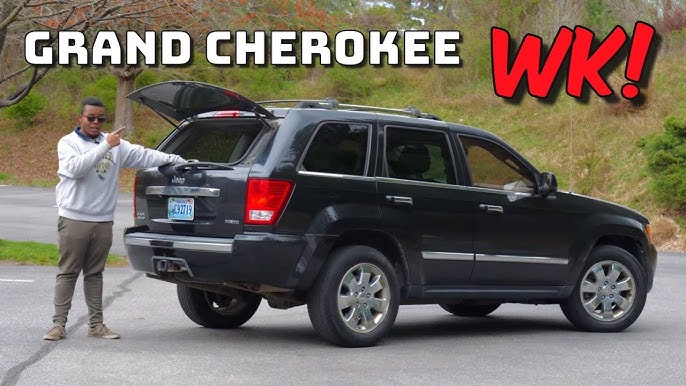
WK is Jeep’s internal code for the third-generation Grand Cherokee (2005 2010). It helps identify parts, features, and compatibility.
Is The Jeep Cherokee Wk The Same As The Grand Cherokee?
Yes, WK refers to the Grand Cherokee, not the regular Cherokee. If you see “Cherokee WK,” it’s almost always a Grand Cherokee.
How Reliable Is The Jeep Grand Cherokee Wk?
The WK is known for strong engines and comfortable ride. However, some models have electrical or rust issues. Regular maintenance is important for long-term reliability.
Which Engines Are Available In The Wk?
The WK offers several engines: a 3.7L V6, 4.7L V8, 5.7L Hemi V8, and 6.1L SRT8 V8. Each has different power and fuel economy.
Where Can I Learn More About Jeep Model Codes?
For detailed Jeep codes and history, visit Wikipedia.
The Jeep Cherokee WK is a key piece of Jeep’s SUV history. Understanding the WK code helps you make smarter buying decisions and avoid confusion. Whether you want strong performance, off-road skills, or just a reliable family SUV, the WK offers a balanced mix. If you’re looking at used Jeeps, always check the model year, body style, and VIN to ensure you get the right fit for your needs.