Every driver hopes for quick, safe stops in dangerous moments. But even experienced drivers sometimes cannot press the brake pedal hard or fast enough.
That’s where Jeep Brake Assist comes in. This feature, found in many modern Jeep vehicles, helps you stop faster in emergencies.
Let’s explore how it works, why it matters, and how it compares to other safety systems.
How Jeep Brake Assist Works
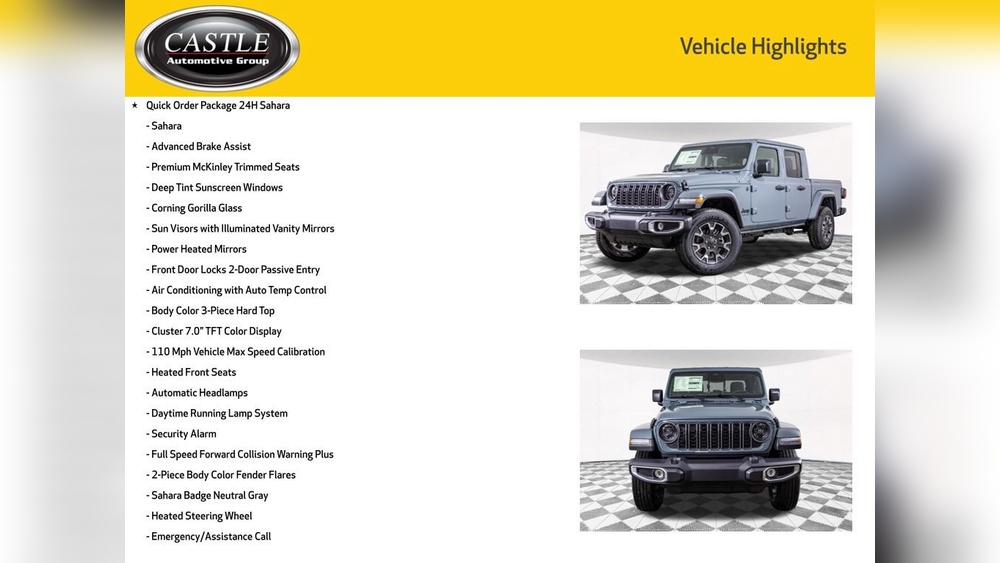
Brake Assist is a safety system that senses emergency braking situations. It “knows” when you are trying to stop quickly, usually by measuring how fast you press the brake pedal. If the system thinks you want to make an emergency stop, it increases the brake force—even if you didn’t press the pedal hard enough.
For example, imagine a child runs into the street. You slam the brake pedal, but maybe not with full power. Brake Assist detects your quick movement and automatically adds maximum braking force. This can shorten your stopping distance and help avoid an accident.
Key Components In Jeep Brake Assist
- Sensors: Detect how quickly the brake pedal is pressed.
- Control unit: Decides if extra brake force is needed.
- Hydraulic system: Applies the extra brake pressure.
This system works together with Anti-lock Braking System (ABS), ensuring that the wheels don’t lock up while stopping.
Why Brake Assist Matters
Stopping distance can be the difference between a close call and a crash. Studies show that many drivers, even in panic, do not apply enough force to the brakes. According to the National Highway Traffic Safety Administration, Brake Assist can reduce stopping distance by up to 20% in emergencies.
Here’s how stopping distance can change with and without Brake Assist:
| Condition | Stopping Distance (feet) |
|---|---|
| No Brake Assist | 160 |
| With Brake Assist | 130 |
The difference of 30 feet is about the length of two cars—enough to prevent a serious crash.
Real-world Example
A Jeep Grand Cherokee driver is cruising at 60 mph. Suddenly, traffic ahead stops.
The driver reacts quickly but does not push the pedal all the way. Brake Assist detects this and adds extra force, helping the vehicle stop much sooner than by foot pressure alone.

Jeep Brake Assist Vs. Other Brake Technologies
It’s easy to confuse Brake Assist with similar features like ABS or Electronic Brakeforce Distribution (EBD). Here’s how they compare:
| Feature | Main Function | When It Works |
|---|---|---|
| Brake Assist | Adds extra braking force in emergencies | Panic stops |
| ABS | Prevents wheel lock-up | Slippery roads or hard braking |
| EBD | Balances brake force between wheels | All braking situations |
While ABS and EBD make braking safer, Brake Assist directly helps you stop faster when you react to danger but don’t press hard enough.
Common Misunderstandings About Brake Assist
Many drivers think Brake Assist is always active or can replace good driving habits. In truth, it only works in emergencies and does not slow the car automatically. Here are two points beginners often miss:
- Brake Assist does not detect obstacles. It only senses how you press the brake pedal.
- It does not work if you press the pedal slowly. The system needs a quick, sharp press to activate.
Also, Brake Assist works with ABS. If your Jeep’s ABS warning light is on, Brake Assist may not work correctly.
Always fix brake warning lights as soon as possible.
Maintenance And Safety Tips
To keep Jeep Brake Assist working well:
- Have your brakes checked regularly.
- Make sure brake fluid is at the correct level.
- Fix any warning lights right away.
- Do not “ride” the brake pedal, as this confuses the system.
Some Jeep models let you test Brake Assist at low speed in an empty parking lot. Press the brake sharply and feel the extra force.
But only do this safely and with plenty of space.
Which Jeep Models Have Brake Assist?
Most new Jeep models include Brake Assist as standard or optional equipment. This includes:
- Jeep Grand Cherokee
- Jeep Cherokee
- Jeep Wrangler
- Jeep Compass
- Jeep Renegade
Older models (before 2005) may not have Brake Assist. Check your owner’s manual or ask your dealer if you are not sure.
How Brake Assist Improves Safety Ratings
Car safety organizations, like IIHS and NHTSA, look at emergency braking performance when rating vehicles. Having Brake Assist can improve your Jeep’s safety score.
In crash tests, vehicles with Brake Assist often stop faster and avoid more accidents. This can lead to lower insurance premiums and more confidence on the road. According to NHTSA, advanced brake systems like Brake Assist have helped reduce rear-end crashes.
Frequently Asked Questions
What Is The Main Benefit Of Jeep Brake Assist?
Jeep Brake Assist helps you stop faster in emergencies. It adds extra brake pressure if you press the pedal quickly but not hard enough. This can prevent accidents or reduce crash severity.
Does Brake Assist Work In All Driving Conditions?
Brake Assist works best in dry, normal conditions. It also works on wet roads but cannot change the laws of physics.
You still need to drive safely and leave enough distance between cars.
Can I Turn Off Jeep Brake Assist?
Most Jeep models do not allow you to turn off Brake Assist. It is always ready to help in emergencies.
If you have questions about your specific model, check your owner’s manual.
Is Brake Assist The Same As Automatic Emergency Braking (aeb)?
No, they are different. Brake Assist increases force when you hit the pedal quickly. AEB can brake automatically if it senses a collision, even if you do not touch the pedal.
How Do I Know If My Jeep’s Brake Assist Is Working?
If you do not see any brake system warning lights, Brake Assist is likely working. In an emergency stop, you may feel the pedal push back or extra braking force.
Understanding Jeep Brake Assist gives you more control and confidence. This feature helps you stop faster, especially when every second counts. Remember, Brake Assist supports good driving—it does not replace it. Always stay alert and keep your brakes in top shape for the safest drive possible.