The term "Ess Jeep engine" often comes up when people search for information about Jeep vehicles, especially in discussions about different trims and engine options. However, there is some confusion around what "Ess" actually means.
If you’re considering a Jeep, or just curious about what makes these engines unique, understanding this term is important.
In this article, we’ll break down what the Ess Jeep engine is, how it works, its benefits, and what you should know if you’re thinking about buying a Jeep equipped with this feature.

What Does “ess” Mean In Jeep Engines?
The “Ess” in Jeep engines stands for Engine Stop-Start. This is a feature found in many modern Jeep vehicles, especially since the mid-2010s. Instead of referring to a special type of engine, “Ess” is a system installed on standard engines. Its main job is to improve fuel efficiency and lower emissions by automatically shutting off the engine when the vehicle is stopped, then restarting it when you press the gas pedal.
You’ll usually see “Ess” listed next to the engine size in Jeep brochures or window stickers, for example: “2.0L Turbo Ess” or “3.6L Pentastar V6 Ess”. This simply means the engine comes with the Engine Stop-Start system.
How The Engine Stop-start (ess) System Works
The Ess system is designed to be automatic and seamless. Here’s what happens:
- You drive as usual and come to a complete stop, such as at a red light.
- The Ess system shuts off the engine to save fuel.
- When you lift your foot off the brake, the engine restarts instantly.
- You continue driving without any noticeable delay.
This system uses special sensors to monitor battery charge, engine temperature, and other factors. If the conditions aren’t right, the engine will not shut off.
This ensures comfort and safety, for example, keeping the engine running in extreme heat to power the air conditioning.
Main Parts Of The Ess System
- Heavy-duty starter motor: Handles frequent starts and stops.
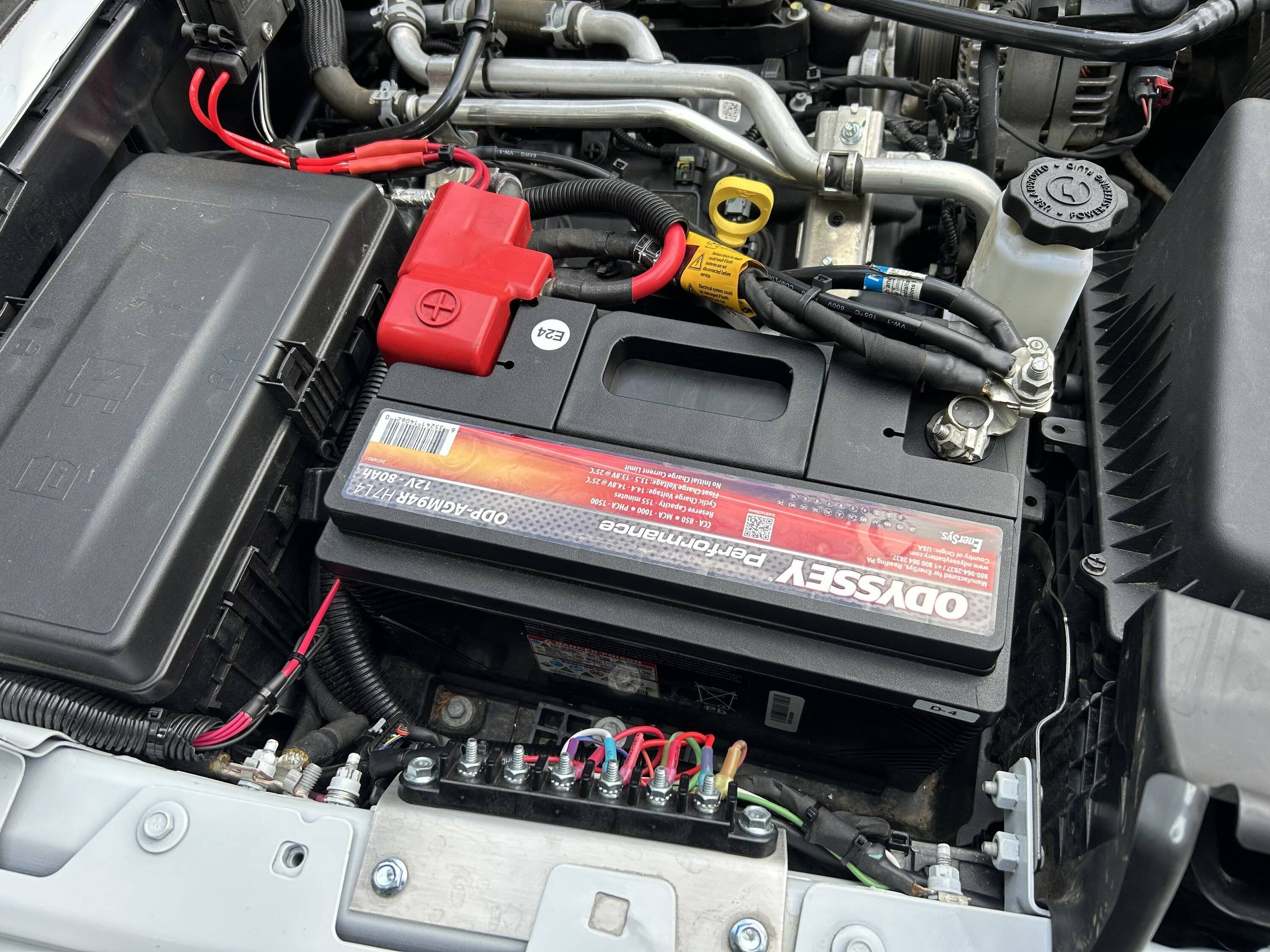
- Auxiliary battery: Powers electronics when the main engine is off.
- Sensors and control unit: Decide when to activate or disable the system.

Benefits Of The Ess Jeep Engine
The Ess system offers several advantages, especially for city driving where stops are frequent:
- Improved fuel efficiency: By turning off the engine during idling, it reduces fuel use by 3-10%, depending on traffic conditions.
- Lower emissions: Less engine running time means fewer greenhouse gases.
- Quieter stops: The engine is off when waiting at traffic lights.
- Automatic operation: No need for driver intervention.
For example, the Jeep Wrangler and Jeep Grand Cherokee with Ess can save about 0.2–0.5 gallons of fuel per 100 miles in city driving, according to EPA estimates.
Possible Drawbacks And User Experiences
While the Ess system offers fuel savings, some drivers notice drawbacks:
- Slight hesitation: Some people feel a minor delay when the engine restarts.
- Starter wear: More frequent engine starts may reduce starter lifespan, though Jeep uses upgraded parts.
- Battery replacement: The auxiliary battery may need replacement sooner than a standard battery.
- Can be annoying: Some drivers find the start-stop process bothersome, especially in heavy stop-and-go traffic.
Most Jeep models allow you to manually disable the Ess system using a button on the dashboard. However, it resets to “on” each time you restart the vehicle.
Ess Jeep Engine Vs. Non-ess Engines
It’s easy to confuse Ess-equipped engines with regular engines. Here’s a comparison to help clarify the differences:
| Feature | Ess Jeep Engine | Non-Ess Jeep Engine |
|---|---|---|
| Engine Stop-Start | Included | Not included |
| Fuel Efficiency | 3–10% better in city driving | Standard |
| Starter Motor | Heavy-duty | Standard |
| Auxiliary Battery | Yes | No |
| Can Disable System | Yes (button) | N/A |
Which Jeep Models Use The Ess Engine?
Many popular Jeep models offer the Ess system, especially those built from 2018 onward. Here are some common examples:
- Jeep Wrangler JL (2018+): Most trims, both 2.0L Turbo and 3.6L V6.
- Jeep Grand Cherokee: Newer V6 models.
- Jeep Cherokee: Standard on some 2.4L and V6 trims.
- Jeep Compass and Jeep Renegade: Standard on most new models.
Some older models or base trims may not include the Ess system. Always check the window sticker or official specs before buying.
Real-world Performance And User Tips
Owners report mixed feelings about the Ess system. Most agree the fuel savings are real, especially in city traffic. However, some suggest turning off Ess in certain situations:
- Stop-and-go traffic: Frequent starting may be annoying.
- Extreme temperatures: The system may not activate, or you may prefer to keep the engine running for comfort.
- Short trips: Frequent stops and starts may strain the battery.
A common non-obvious insight: The Ess system may not work if the main or auxiliary battery is weak. If you notice the system not engaging, have your batteries checked.
Another tip: If you tow or use many electrical accessories, the battery may wear out faster. Always use the recommended battery type for Ess-equipped Jeeps.
Common Myths About Ess Jeep Engines
Some buyers worry that the Ess system will damage their engine or starter. In reality, Jeep uses upgraded starters and electrical systems designed for frequent use.
There’s no evidence that properly maintained Jeeps with Ess wear out faster than those without.
It’s also a myth that you must always use Ess. The system can be turned off if you prefer, and the vehicle works normally.

Ess Engine Maintenance Considerations
Maintaining a Jeep with Ess is similar to other vehicles, but there are a few special points:
- Battery checks: Regularly check both the main and auxiliary batteries.
- Use quality parts: Only use recommended batteries and starters.
- Watch for warning lights: If the Ess light stays on, it may signal a battery or sensor problem.
Here’s a quick comparison of maintenance between Ess and non-Ess Jeeps:
| Maintenance Task | Ess Jeep | Non-Ess Jeep |
|---|---|---|
| Main Battery Replacement | Every 3–5 years | Every 4–6 years |
| Auxiliary Battery | Every 2–3 years | N/A |
| Starter Motor | Heavy-duty, may last 80k+ miles | Standard, may last 100k+ miles |
Frequently Asked Questions
What Does “ess” Stand For In Jeep Engines?
“Ess” means Engine Stop-Start, a system that automatically shuts off and restarts the engine at stops to save fuel.
Does The Ess System Cause Extra Wear On The Engine?
No, Jeep uses special starters and batteries made for frequent starts and stops. Regular maintenance prevents most issues.
Can I Disable The Ess System In My Jeep?
Yes, most Jeeps with Ess have a button to turn the system off. It reactivates each time you start the vehicle.
Will Ess Save Me Money On Gas?
Yes, especially in city driving. Savings vary, but you can expect 3 10% better fuel efficiency compared to non-Ess engines.
Where Can I Learn More About Jeep’s Ess Technology?
You can find more details on the official Jeep website.
The Ess Jeep engine isn't a different engine, but a smart system that helps save fuel and reduce emissions. For many drivers, it’s a simple way to be more efficient without changing driving habits.
If you want the best mix of city mileage and convenience, a Jeep with Ess is worth considering.