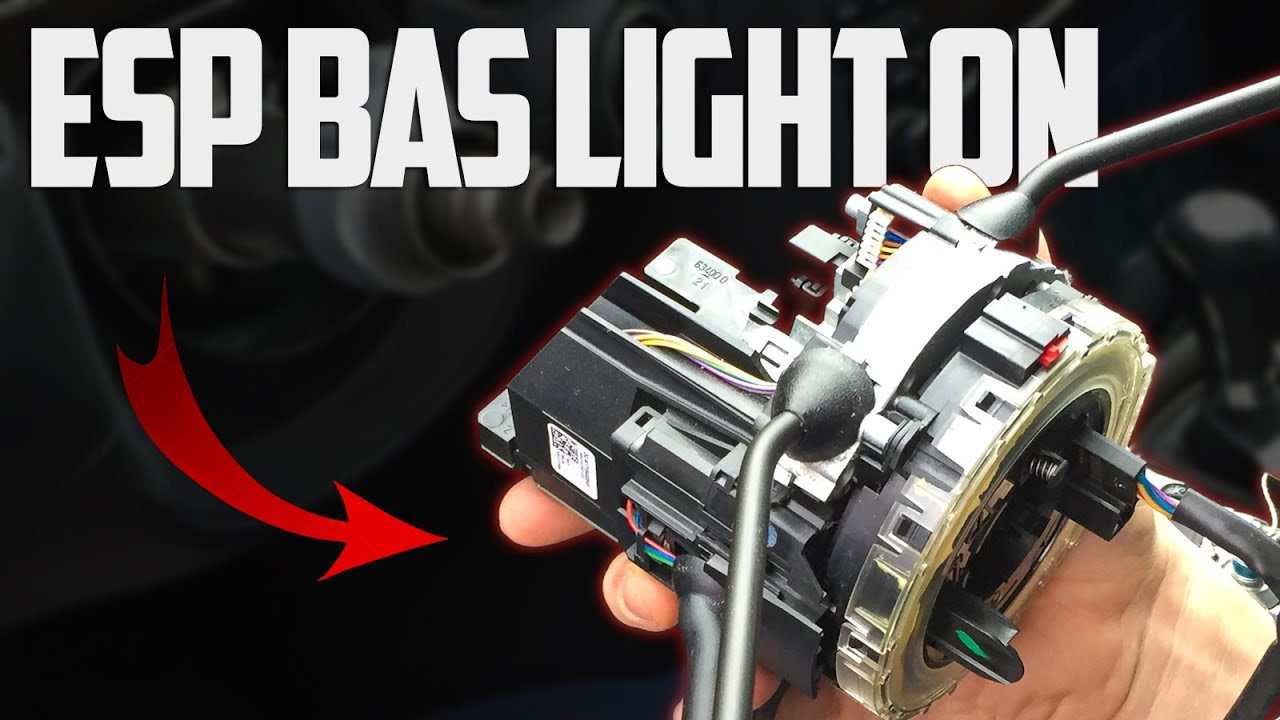
Jeep vehicles are known for their ruggedness and off-road capabilities. But if you see “ESP” light up on your dashboard, you might wonder what it means. Understanding what ESP is, why it matters, and how it works can help you stay safer on the road and get the most out of your Jeep.
What Does Esp Mean In A Jeep?
ESP stands for Electronic Stability Program. Sometimes, it’s called Electronic Stability Control (ESC). This is a safety system designed to help drivers keep control of their vehicle during difficult driving conditions—like when the road is slippery, or when you turn sharply.
Jeep began adding ESP to many models in the mid-2000s. In fact, since 2012, all new vehicles sold in the US are required to have some form of electronic stability control.
How Esp Works In Your Jeep
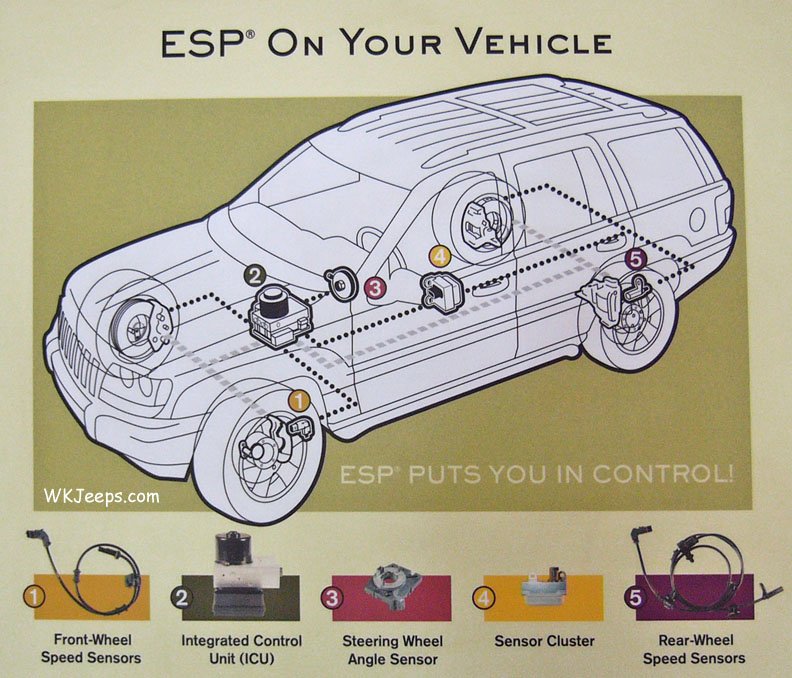
ESP uses sensors and computers to monitor how your Jeep is moving. If it detects that your Jeep is starting to slide or lose control, ESP quickly takes action to help keep you safe. Here’s how it works:
- Sensors check your steering and movement – ESP knows where you’re steering and where the vehicle is actually going.
- Detects if you’re skidding – If your Jeep starts sliding, ESP senses the difference between your steering and the vehicle’s path.
- Applies brakes automatically – ESP can brake individual wheels to help bring your Jeep back on track.
- Reduces engine power – Sometimes, ESP also cuts engine power to help slow the vehicle gently.
This all happens in milliseconds, much faster than a human driver could react.
Why Is Esp Important?
Losing control of a vehicle is a leading cause of crashes, especially in bad weather or on curvy roads. ESP helps prevent accidents by:
- Keeping your Jeep stable in emergency maneuvers
- Helping you avoid skidding on ice, snow, or wet roads
- Supporting safe cornering, even at higher speeds
According to the National Highway Traffic Safety Administration (NHTSA), electronic stability control can reduce single-vehicle crashes by over 50%. It’s one of the most important safety features in modern vehicles.
Esp Vs. Traction Control Vs. 4wd
Many Jeep owners wonder how ESP is different from other systems like traction control and 4-wheel drive (4WD). Here’s a quick comparison:
| System | Main Function | When It Works |
|---|---|---|
| ESP (Stability Program) | Prevents skidding and spinning | During sharp turns or loss of control |
| Traction Control | Prevents wheel spin | When accelerating on slippery roads |
| 4WD/AWD | Improves grip by powering all wheels | On rough, off-road, or slippery surfaces |
ESP works together with these systems but focuses on overall vehicle stability, not just traction or off-road power.
Common Esp Warning Lights And What They Mean
If the ESP system detects a problem or is actively working, a warning light will appear on your dashboard. Here are the most common ESP-related lights you might see in a Jeep:
| Symbol | Meaning | What To Do |
|---|---|---|
| Car with wavy lines | ESP is active | Drive carefully; ESP is helping you |
| Car with wavy lines (steady ON) | ESP is OFF or malfunctioning | Check ESP button and manual; consider service |
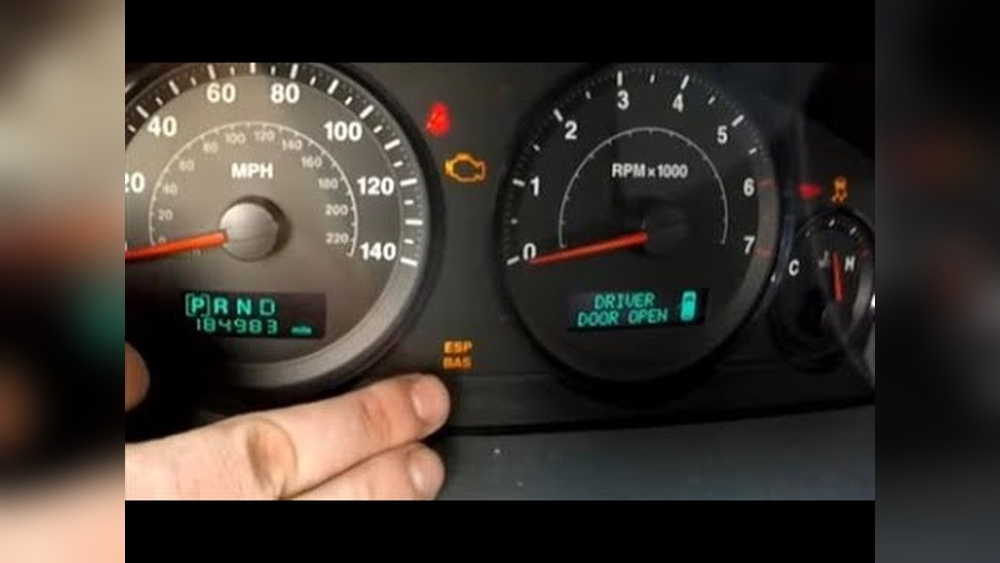
| “ESP BAS” | ESP or Brake Assist problem | Have your Jeep inspected soon |
Ignoring these warnings can put your safety at risk, especially in poor driving conditions.
When Should You Turn Esp Off?
In most situations, you should leave ESP ON. However, some off-road or deep snow conditions are different. Here’s when turning ESP off makes sense:
- Off-roading: ESP can limit wheel spin, which is sometimes needed to get through mud or sand.
- Deep snow: Turning ESP off can help the wheels keep spinning and avoid getting stuck.
Many Jeep models let you temporarily turn ESP off with a button. Remember to turn it back on when you’re back on regular roads.
Esp In Different Jeep Models
Jeep has many models, and ESP works a bit differently in each. For example:
- Jeep Wrangler: ESP can be switched to “Partial Off” for off-roading.
- Jeep Grand Cherokee: ESP is always on but adjusts based on road and drive mode.
- Jeep Compass/Renegade: ESP works with traction systems for city and light off-road driving.
Check your Jeep’s owner’s manual to understand exactly how ESP functions in your vehicle.
Many drivers do not realize that ESP can sometimes reduce engine power even if you don’t feel the brakes. This can make the Jeep feel less responsive, especially on slippery hills. It’s not a problem—it’s ESP working to keep you safe.
Another common mistake is ignoring the ESP BAS warning. This often points to a problem with a simple part, like a brake switch or wheel sensor, which is usually cheap to fix. But waiting too long can make repairs more expensive and reduce your Jeep’s safety.
Practical Tips For Jeep Owners
- Always check your tires: ESP cannot help if your tires are very worn or underinflated.
- Don’t ignore warning lights: Even if your Jeep seems fine, ESP issues can become serious quickly.
- Understand your settings: Off-roading? Know how to adjust ESP for your Jeep model.
- Regular maintenance: ESP relies on sensors, brakes, and electronics. Keep your Jeep’s systems in good shape for ESP to work best.
If you want to learn more about electronic stability control and how it saves lives, you can visit the NHTSA’s official ESC page.
Frequently Asked Questions
What Does Esp Bas Mean In My Jeep?
The ESP BAS light means there is a problem with the stability or brake assist systems. It can be a simple sensor issue or something more serious. It’s best to have your Jeep checked by a mechanic soon.
Can I Drive With The Esp Light On?
You can drive with the ESP light on, but your Jeep won’t have full stability control. Drive more carefully, especially on slippery or curvy roads, and have the system checked as soon as possible.
Is Esp The Same As Traction Control?
No, ESP is not the same. ESP controls the whole vehicle’s stability, while traction control only stops the wheels from spinning when you accelerate. ESP uses traction control as part of its system.
How Do I Turn Esp Off In My Jeep?
Most Jeeps have an ESP OFF button on the dashboard. Press and hold it for a few seconds. The dashboard light will show when ESP is off or in “Partial Off” mode. Always turn it back on when you return to normal roads.
Does Esp Work In 4wd Mode?
Yes, ESP works in 4WD. It helps control skids and slides even when all four wheels are powered. In deep off-road conditions, you may want to reduce ESP intervention for better performance.
Understanding how ESP works in your Jeep means more confidence behind the wheel. Whether you’re on city streets or mountain trails, it’s a powerful safety feature that helps you stay in control—even when the unexpected happens.