The Willys Jeep is more than just a military vehicle; it’s a symbol of innovation, toughness, and American history. When people see a Willys Jeep, they often notice something different—something unique compared to modern SUVs or even other classic cars. But what really sets this Jeep apart? Let’s explore the features, design choices, and legacy that make the Willys Jeep stand out from the crowd.
Origins And Purpose
The Willys Jeep started as a solution to a military need. In 1940, the US Army wanted a light, reliable vehicle for World War II. Willys-Overland, together with Ford and Bantam, responded with a design that became the famous Willys MB. Its purpose was clear: transport troops, carry supplies, handle rough terrain, and survive harsh conditions.
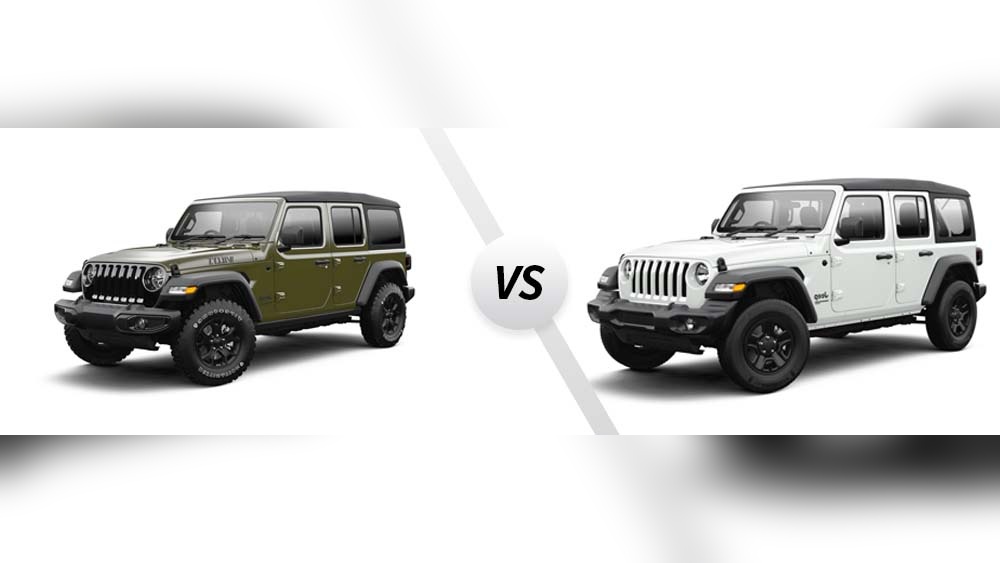
This focus on function shaped every detail. The Jeep’s boxy shape, flat fenders, and simple grill were not for style they were for efficiency.
Many parts could be replaced easily in the field. The Jeep could even be lifted by soldiers and shipped overseas.
This “form follows function” attitude is rare today, making the Willys Jeep truly different.
Key Design Features
Several design elements make the Willys Jeep unique:
- Flat, vertical grill: The iconic seven-slot grill was easy to produce and repair.
- Simple, open body: No doors or roof, just a basic frame for quick entry and exit.
- Short wheelbase: Only 80 inches, giving the Jeep excellent maneuverability.
- Four-wheel drive: All four wheels powered, letting the Jeep tackle mud, sand, and snow.
- Low weight: Around 2,400 pounds, far lighter than most cars of its time.
These features gave the Jeep its legendary durability. Soldiers could drive over rocks, through rivers, and across battlefields.
The Jeep rarely got stuck, and repairs were fast.
Here’s a quick comparison of the Willys Jeep versus modern SUVs:
| Feature | Willys Jeep | Modern SUV |
|---|---|---|
| Wheelbase | 80 inches | 104+ inches |
| Weight | 2,400 lbs | 4,000+ lbs |
| Doors | None | 4–5 doors |
| Seating | 4 | 5–7 |
| Four-wheel drive | Standard | Optional |
Engine And Performance
The Willys Jeep used a “Go-Devil” engine—a 2.2-liter, 4-cylinder motor producing 60 horsepower. This may sound small, but it was enough for what the Jeep needed. It could reach speeds up to 65 mph, climb steep hills, and pull other vehicles.
What made the engine special was its reliability. Willys designed it to run in extreme conditions, from desert heat to winter snow.
The Jeep could start after days in the cold, and soldiers trusted it to keep running.
Let’s see how the Willys Jeep’s engine compares to similar vehicles:
| Vehicle | Engine Type | Horsepower | Max Speed |
|---|---|---|---|
| Willys MB Jeep | 2.2L 4-cylinder | 60 hp | 65 mph |
| Ford GPW | 2.2L 4-cylinder | 60 hp | 65 mph |
| Land Rover Series I (1948) | 1.6L 4-cylinder | 50 hp | 60 mph |
Usability And Versatility
Unlike most vehicles, the Willys Jeep could do many jobs:
- Transport troops: Four soldiers could ride comfortably, with room for gear.
- Medical uses: Jeeps carried stretchers and supplies to wounded soldiers.
- Towing: Able to pull small artillery and trailers.
- Reconnaissance: Small size let it sneak behind enemy lines.
After World War II, the Jeep became popular with farmers, explorers, and even police. It handled rough fields, muddy roads, and remote trails.
Its simple design let people customize it for nearly any job, from plowing to hunting.
One insight that beginners often miss: the Willys Jeep was not just a military vehicle. Its design influenced the entire SUV market. Even today, the DNA of the original Jeep lives on in modern off-road vehicles.

The Willys Jeep Legacy
The Willys Jeep’s impact goes beyond its features. It inspired generations of car lovers, engineers, and adventurers.
The Jeep became a symbol of freedom, ruggedness, and American ingenuity.
- Post-war popularity: Over 650,000 Willys Jeeps were produced by 1945. After the war, surplus Jeeps flooded the market and became civilian favorites.
- Civilian models: The CJ-2A and later CJ-3A models adapted the Jeep for farms, businesses, and daily use.
- Global influence: The Jeep’s design inspired vehicles like the Land Rover and Toyota Land Cruiser.
Here’s a quick look at how the Willys Jeep evolved:
| Model | Year Introduced | Main Use | Key Change |
|---|---|---|---|
| Willys MB | 1941 | Military | Original design |
| CJ-2A | 1945 | Civilian | Added tailgate, headlights |
| CJ-3A | 1949 | Civilian | Improved windshield |
Why The Willys Jeep Is Still Different
Even after 80 years, the Willys Jeep stands out for several reasons:
- Purpose-driven design: Every part was made for a real need, not just looks.
- Flexibility: The Jeep’s basic design could be adapted for many jobs.
- Historical impact: The Jeep helped win World War II and inspired future vehicles.
- Collector value: Original Willys Jeeps are prized by collectors, often selling for $30,000 or more.
A non-obvious insight: Many Willys Jeeps still run today. Their simple mechanics make them easy to restore and maintain, unlike complex modern cars.
If you want to learn more about the Willys Jeep’s history, check out this Wikipedia page.
Frequently Asked Questions
What Year Was The Willys Jeep First Produced?
The Willys Jeep was first produced in 1941 for the US Army during World War II.
How Fast Can A Willys Jeep Go?
The original Willys Jeep could reach speeds up to 65 mph, which was impressive for its size and era.
Is The Willys Jeep Good For Off-roading?
Yes. With four-wheel drive and a short wheelbase, the Willys Jeep handles rough terrain better than most vehicles from its time.
Can I Buy A Willys Jeep Today?
You can buy restored Willys Jeeps from collectors or specialty dealers. Prices range from $10,000 to $40,000 depending on condition.
What Makes The Willys Jeep Different From Modern Jeeps?
The Willys Jeep has a simple, purpose-built design, lightweight frame, and fewer comfort features compared to modern Jeeps. It’s more about function than style.
The Willys Jeep is more than just an old vehicle it’s a piece of history, a symbol of ingenuity, and a reminder of how design can change the world.
If you ever see one up close, you’ll notice its honest simplicity and rugged charm.
That’s what makes it truly different.



















