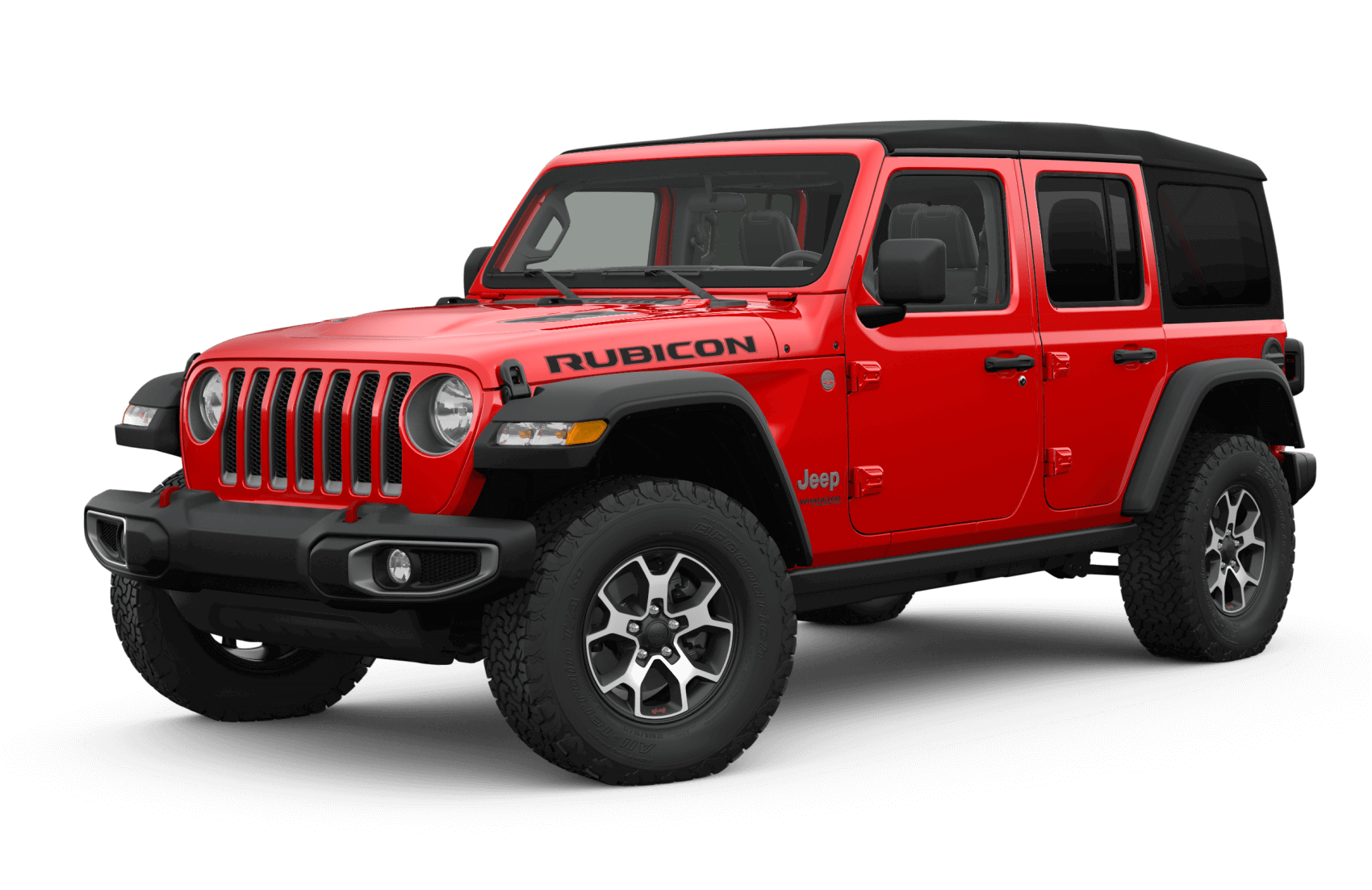
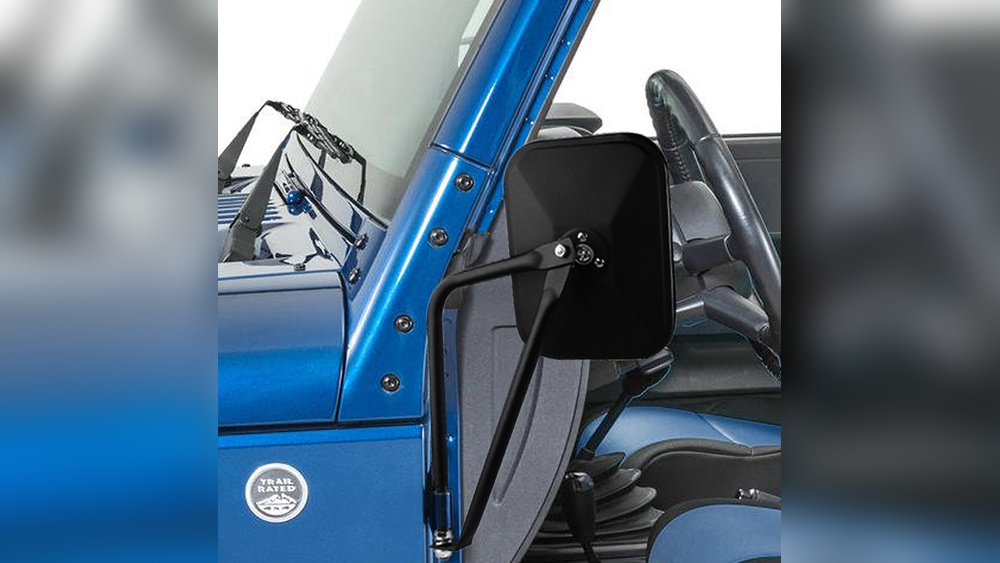
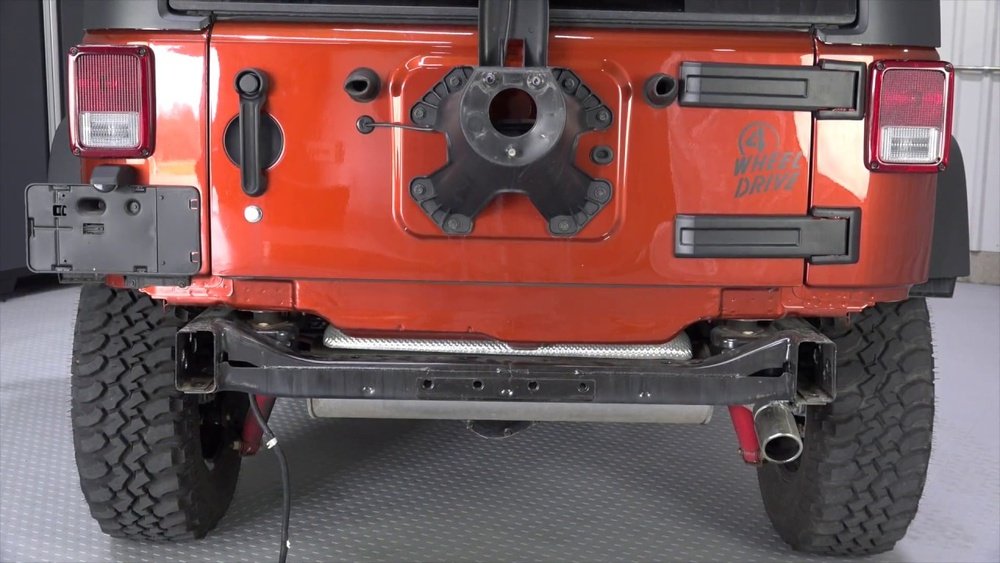
Owning a Jeep Rubicon is not just about driving an SUV; it’s about embracing adventure with confidence. Many people see the Rubicon name and wonder: what makes this model so different from other Jeeps?
The answer is not just about looks or price—it’s about real-world ability, special features, and a unique history. If you’re considering a Jeep for off-road or daily use, understanding the Rubicon’s differences can help you make a smarter choice.
What Makes The Jeep Rubicon Unique?
The Jeep Rubicon stands out as the most capable off-road model in the Wrangler lineup. Named after the rugged Rubicon Trail in California, it’s built for tough terrain. But what does this mean in practice?
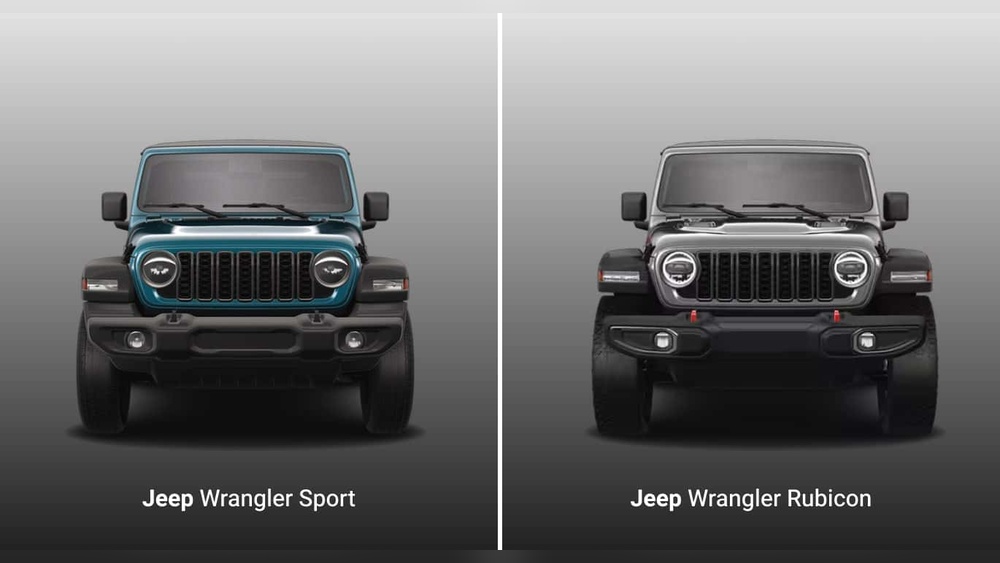
Off-road Features
The Rubicon offers advanced features that most other Jeeps do not. Here are some key differences:
- Locking Differentials: The Rubicon comes with front and rear locking differentials. This allows both wheels on each axle to spin at the same speed, even if one loses grip. Most other Jeeps only have open differentials.
- Electronic Sway Bar Disconnect: With the touch of a button, the Rubicon disconnects its front sway bar. This lets the front wheels move more freely, improving traction on rocks or uneven ground.
- Rock-Trac 4×4 System: Unlike the standard Command-Trac system in other Wranglers, the Rubicon uses the Rock-Trac 4×4 system. It has a lower crawl ratio (4:1), which means better control at slow speeds.
- Heavy-Duty Axles: The Rubicon uses Dana 44 axles front and rear, which are stronger than the Dana 30 axles found in lower trims.
- All-Terrain Tires: Factory-installed 33-inch tires give the Rubicon more ground clearance and grip.
Comparison Table: Rubicon Vs. Other Wrangler Models
Here’s a look at how the Rubicon stacks up against the popular Wrangler Sport and Sahara trims:
| Feature | Rubicon | Sport | Sahara |
|---|---|---|---|
| Locking Differentials | Front & Rear | None | None |
| Sway Bar Disconnect | Electronic | Manual (aftermarket) | Manual (aftermarket) |
| Axle Type | Dana 44 (both) | Dana 30 (front) | Dana 30 (front) |
| Tire Size | 33-inch | 31-inch | 32-inch |
| 4×4 System | Rock-Trac | Command-Trac | Command-Trac |
Real-world Performance
Rubicon’s features are not just for show. Here’s how they matter when driving:
- Steep climbs: The low crawl ratio and locking differentials help the Rubicon climb rocks and hills that other Jeeps cannot.
- Mud and snow: Wider tires and strong axles give the Rubicon better grip and durability.
- Water crossings: With higher ground clearance and sealed electrical systems, the Rubicon is better prepared for deep water.
Data Table: Rubicon Vs. Standard Wrangler (2024 Model)
| Specification | Rubicon | Standard Wrangler |
|---|---|---|
| Ground Clearance | 10.8 inches | 9.7 inches |
| Approach Angle | 43.4° | 41.4° |
| Water Fording | Up to 32 inches | Up to 30 inches |
| Axle Ratio | 4.10 | 3.21 |
Interior And Comfort Differences
Many buyers worry that rugged vehicles lack comfort. The Rubicon, however, balances toughness with modern features:
- Leather seats (optional)
- Heated steering wheel and seats
- Uconnect touchscreen system
- Extra sound insulation
These features make the Rubicon suitable for both off-road adventures and daily city driving.
Rubicon Pricing And Value
The Rubicon is usually the most expensive Wrangler trim. As of 2024, the starting price is around $47,000. This is about $8,000 more than a base Sport model. But, buyers get:
- Advanced off-road hardware
- Higher resale value
- Special badge and styling
While the price is higher, the Rubicon’s equipment would cost more if added aftermarket.
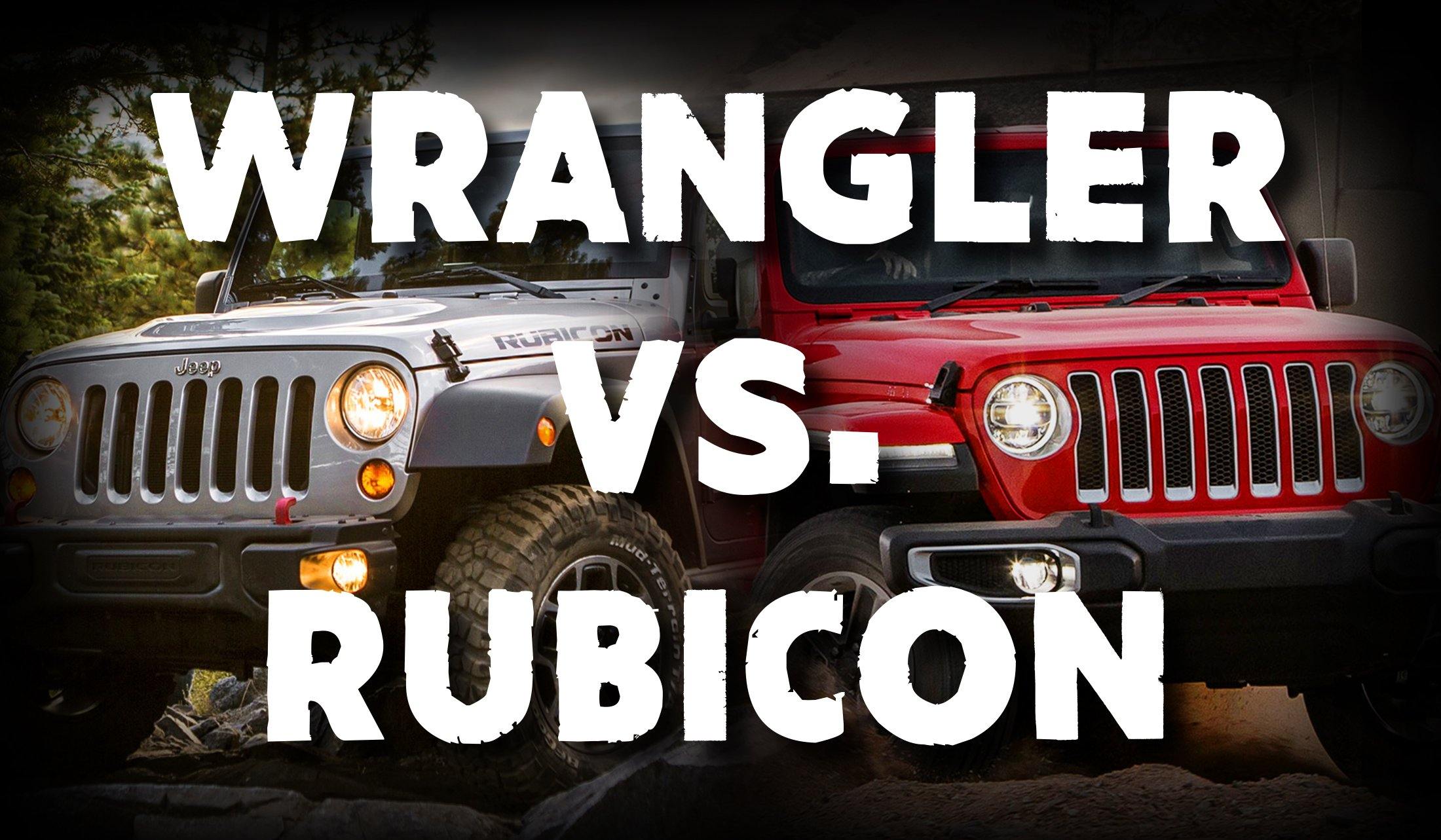
Non-obvious Insights
- The Rubicon’s wider fender flares allow bigger tires without legal trouble. Many beginners miss this—other Jeeps need aftermarket flares if you upgrade tire size.
- Rubicon models also have more skid plates under the body. These protect vital parts like the transfer case and fuel tank, which are often damaged on rough trails.
- The Rubicon’s factory suspension is tuned for off-roading. This means it can flex and absorb bumps better than standard suspensions, even before adding aftermarket parts.
Common Mistakes When Choosing
- Assuming all Wranglers have the same off-road ability. The Rubicon is much more capable.
- Ignoring tire size and axle differences. These change real-world performance and durability.
- Overlooking resale value. Rubicon models often keep their value better, especially among off-road fans.

Should You Buy A Rubicon?
If you plan to drive off-road, tackle difficult trails, or simply want the toughest Jeep, the Rubicon is a smart choice. For city driving only, the extra features may not be needed.
However, many buyers enjoy the peace of mind knowing their Jeep can handle almost anything.
For more technical details, visit the official Jeep site: Jeep Wrangler.
Frequently Asked Questions
Is The Rubicon Good For Daily Driving?
Yes, the Rubicon is comfortable for daily use. It has modern features and good ride quality, but the off-road tires can be noisy on highways.
What Is The Main Difference Between Rubicon And Sahara?
The Rubicon is built for off-road performance with locking differentials and tougher axles. The Sahara is more focused on comfort and style.
Can You Add Rubicon Features To Other Jeep Models?
Some features, like tires or skid plates, can be added. But locking differentials and sway bar disconnects are expensive and difficult to install aftermarket.
Does The Rubicon Get Worse Fuel Economy?
Yes, because of larger tires and heavy-duty parts, the Rubicon has slightly lower MPG compared to other Wranglers.
Is The Rubicon Worth The Extra Money?
If you want the best off-road Jeep or plan to use advanced features, the Rubicon is worth it. For simple city driving, a lower trim may be better.
Choosing a Jeep Rubicon means you’re ready for adventure, not just a drive. With unique hardware, smart engineering, and a proven reputation, the Rubicon stands apart from other SUVs—and from other Jeeps.