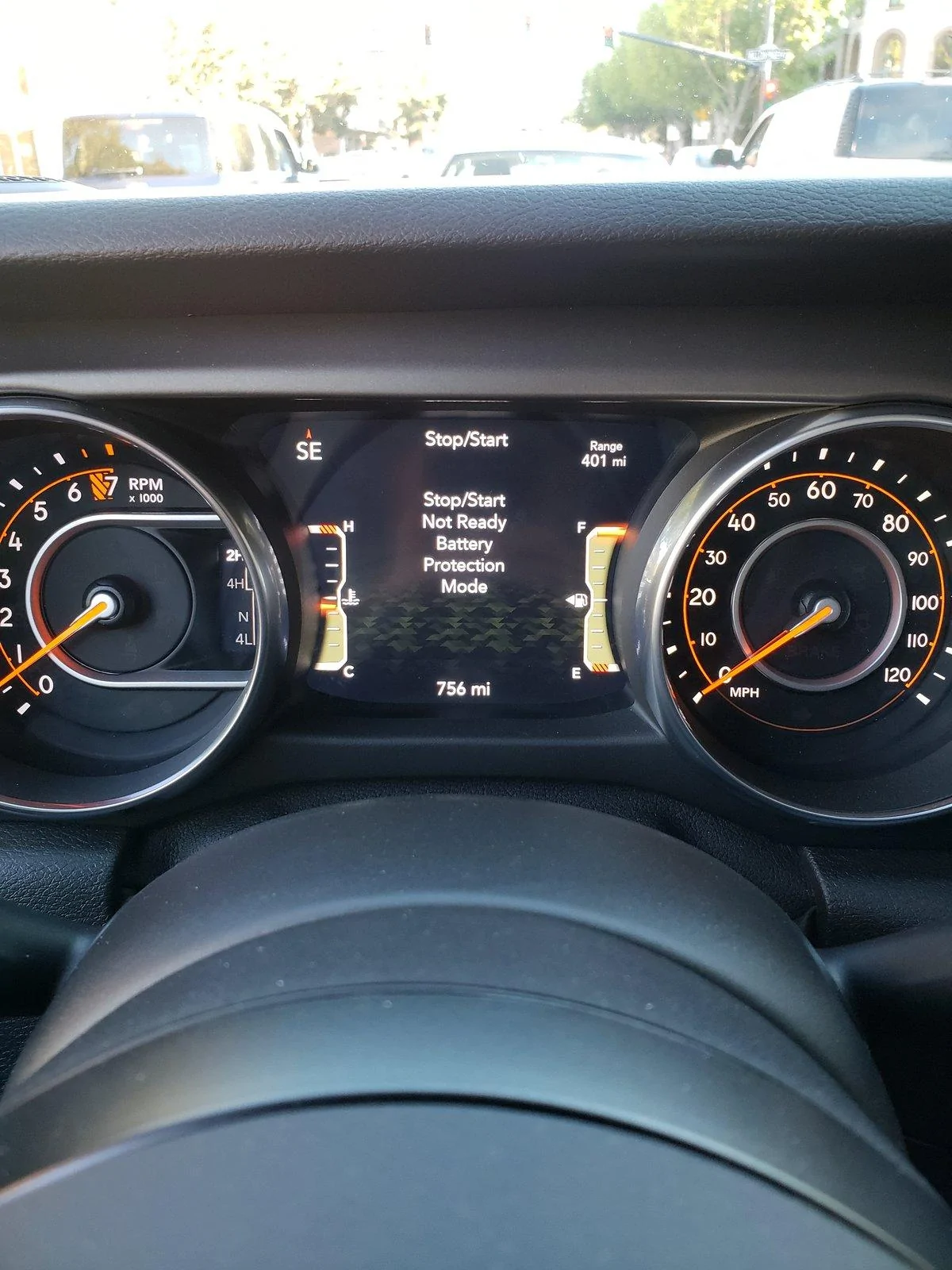
If you drive a Jeep, you might have seen a message on your dashboard that says “Battery Protection Mode” or “Battery Saver Mode.” This warning can be confusing, especially if it happens for the first time.
Understanding what Battery Protection Mode means and how it affects your Jeep can help you avoid problems and keep your vehicle running smoothly. Here’s a practical guide to what this feature does, why it activates, and what you should do when you see it.
What Is Battery Protection Mode In A Jeep?
Battery Protection Mode is a built-in system in many Jeep models. Its main purpose is to protect your car’s battery from being drained too low. When the vehicle senses that the battery charge is getting too weak, it automatically reduces or shuts off power to non-essential systems. This helps make sure your Jeep can still start, even if the battery is low.
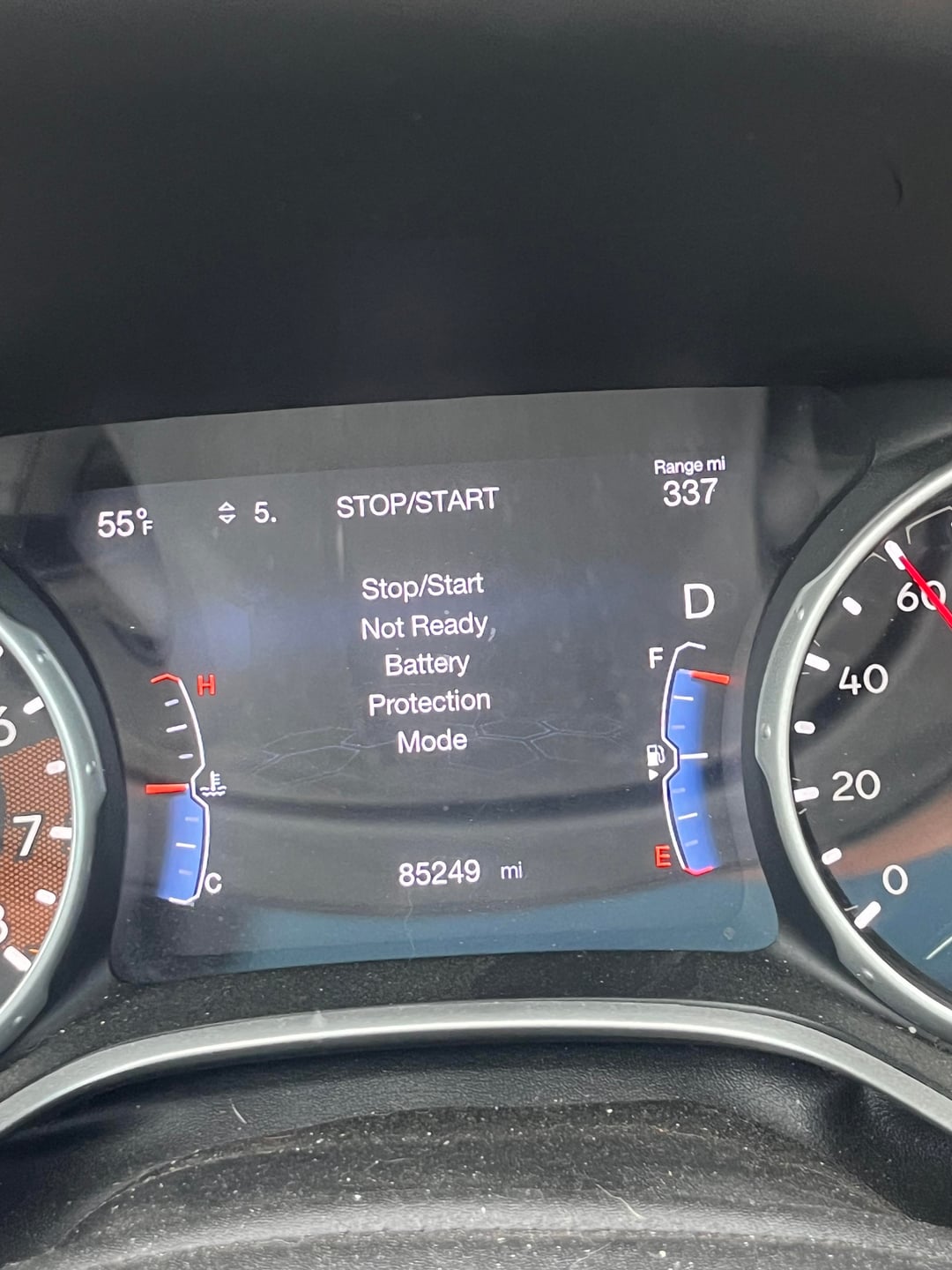
For example, if you leave the headlights or radio on for a long time with the engine off, the battery can lose power quickly. The battery protection system steps in before the battery gets completely empty.
How Does Battery Protection Mode Work?
The system constantly checks the battery voltage and other electrical signals. If it detects the battery is close to a critical level, it will:
- Turn off interior lights and some electronics
- Limit power to the infotainment system
- Disable features like heated seats or power outlets
The goal is to save just enough energy so your Jeep can start again. This system is automatic, so you don’t need to turn it on or off yourself.
Here’s a simple table showing which features might be affected:
| Feature | Normal Operation | Battery Protection Mode |
|---|---|---|
| Headlights | On/Off by driver | May turn off automatically |
| Radio | Works anytime | Turns off to save power |
| Power Outlets | Available | Disabled |
| Heated Seats | Available | Disabled |
Why Does Battery Protection Mode Activate?
Several situations can trigger this mode. Common causes include:
- Leaving accessories on (like lights or radio) with the engine off
- Very cold or hot weather, which weakens the battery
- Short trips that don’t let the battery recharge fully
- Old or weak battery nearing the end of its life
It’s important to note that even a new battery can trigger this mode if it’s not recharging enough or if there’s a lot of electrical use without the engine running.
Here’s a quick comparison of normal battery voltage versus risky levels:
| Status | Voltage (approx.) |
|---|---|
| Fully Charged | 12.6V – 12.8V |
| Low, but safe | 12.2V – 12.4V |
| Risky (protection triggers) | 11.8V – 12.0V |
| Too Low | Below 11.8V |
How To Respond When Battery Protection Mode Is On
If you see the warning, don’t panic. Here are the best steps to follow:
- Start your engine: This will let the alternator recharge the battery.
- Turn off unnecessary electronics: Shut down lights, radio, and any chargers.
- Let the engine run: Give it at least 15–20 minutes to recharge the battery.
- Avoid short trips: Try to drive for a longer period to help the battery recover.
- Check battery health: If the warning comes back often, get the battery checked at a service center.
Most of the time, the warning will disappear after the battery is charged. If it stays on, you may need a battery replacement.

Many drivers make the mistake of ignoring the warning or turning the engine off too soon. This can leave you stranded with a dead battery.
Another common problem is using aftermarket electronics that draw power even when the car is off.
These can trigger protection mode unexpectedly.
A less obvious point: extreme temperatures can reduce battery performance by up to 50%. If you live in a hot or cold climate, your battery may need more frequent checks.
Some Jeeps have “intelligent alternators” that only charge the battery when needed. While this saves fuel, it can sometimes mean the battery never gets fully charged on short trips.
How To Prevent Battery Protection Mode
You can avoid most problems by following a few simple habits:
- Turn off lights and accessories before leaving the car
- Take your Jeep for a longer drive every week
- Get the battery tested at least once a year
- Avoid adding too many electronic devices that use battery power
If you plan to leave your Jeep unused for weeks, consider disconnecting the battery or using a battery maintainer.
Is Battery Protection Mode Bad For Your Jeep?
No, this system is designed to help, not harm. It keeps your battery from draining completely, which can damage it or even require a jump start.
However, frequent warnings are a sign that something is wrong—like a failing battery, a charging system problem, or too many electronics using power.
Here’s a quick look at the pros and cons:
| Pros | Cons |
|---|---|
| Protects battery from damage | Reduces convenience (some features turn off) |
| Prevents no-start situations | Can mask an underlying battery issue |
| Works automatically | May confuse new owners |
When To See A Mechanic
If battery protection mode comes on often, or if your Jeep is hard to start, it’s time for a checkup. Ask your mechanic to check:
- Battery age and health
- Alternator output
- Parasitic power drains (things draining battery when off)
Getting ahead of these issues can save you from being stranded.