The Jeep Wrangler is known for its rugged design and off-road capability. But as technology advances, even this classic SUV includes modern safety features.
One of these is Autopark, which is often misunderstood or overlooked by new owners. If you’re curious about what Autopark is, how it works, and whether it affects your daily driving, this article will guide you with clear explanations and practical examples.
What Is Autopark On Jeep Wrangler?
Autopark is a safety system that automatically shifts your Jeep Wrangler into Park under certain conditions. Its main purpose is to prevent accidents caused by the vehicle rolling away when the driver leaves the seat. For example, if you stop your Wrangler, leave the transmission in Drive or Neutral, and start to exit the vehicle, Autopark will step in. It detects that the driver is not present and moves the gear selector to Park by itself.
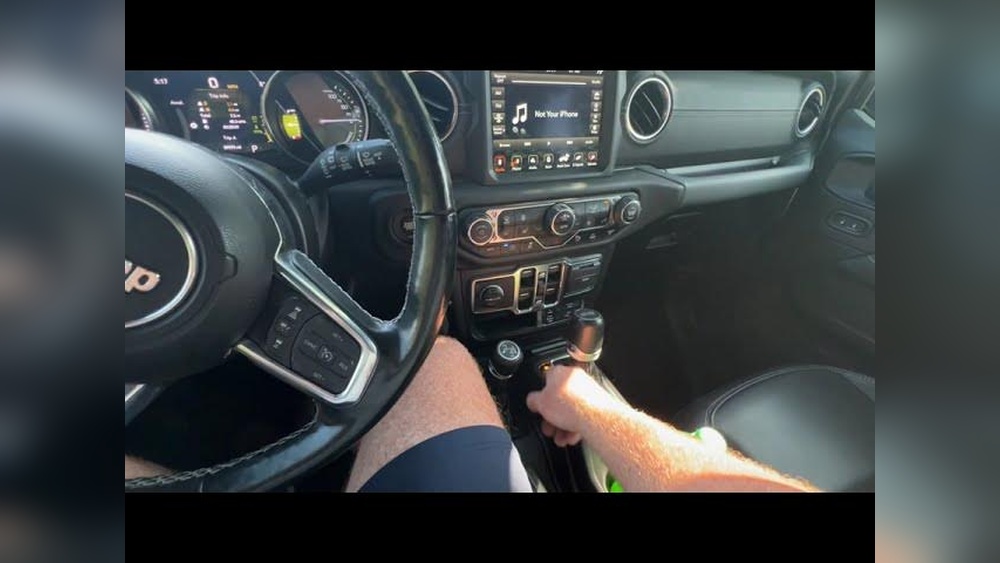
This feature first appeared in newer Wrangler models (JL generation, starting in 2018) that use electronic gear selectors and advanced sensors. It’s especially important with automatic transmissions, where forgetting to shift to Park can be risky.
How Does Autopark Work?
Autopark relies on several sensors and the electronic control module in your Jeep. Here’s a breakdown of how the system operates:
- Seat Sensor: Detects if someone is sitting in the driver’s seat.
- Door Sensor: Monitors if the driver’s door is opened.
- Gear Selector: Checks the current position (Drive, Neutral, Park).
- Engine Status: Knows if the engine is running or off.
The system watches for a specific sequence: driver’s seat empty, door open, gear not in Park, and engine running. If these happen together, the Jeep automatically switches to Park. This prevents the vehicle from moving unexpectedly.
Common Situations Where Autopark Activates
- You stop at a store, leave the engine running, and open the door while still in Drive.
- You finish parking, but forget to shift to Park before stepping out.
- You try to check something outside quickly with the Jeep still in gear.
In all these cases, Autopark steps in to protect you and your vehicle.
Autopark Vs Manual Parking
Some drivers wonder how Autopark compares to simply shifting into Park yourself. Here’s a quick comparison:
| Feature | Autopark | Manual Parking |
|---|---|---|
| Automatic Activation | Yes | No |
| Driver Control | Limited | Full |
| Safety | High (prevents rollaways) | Depends on driver |
| Convenience | Convenient in emergencies | Requires attention |
Autopark is not meant to replace your own actions. Always try to shift to Park yourself when stopping the vehicle. The system acts as a backup.
Advantages Of Autopark
- Enhanced safety: Reduces the risk of rollaway accidents.
- Peace of mind: Useful for families and busy parking lots.
- Automatic response: You don’t need to remember every time.
Real-world Data
According to the National Highway Traffic Safety Administration (NHTSA), rollaway accidents cause hundreds of injuries each year. Autopark helps lower these numbers by ensuring parked vehicles stay stationary.

Limitations And Common Issues
Autopark is smart, but not perfect. There are times when the system can be inconvenient or confusing.
| Scenario | Autopark Behavior | Possible Frustration |
|---|---|---|
| Quick exit while engine running | Switches to Park automatically | Interrupts routine, unexpected gear change |
| Towing or off-road situations | May activate unexpectedly | Can affect towing operations |
| Sensor malfunction | Fails to activate or activates at wrong time | Safety concern, requires dealer service |
Non-obvious Insight
Many new Jeep owners are surprised when their Wrangler shifts to Park without warning. This is not a technical fault—it’s Autopark doing its job.
Understanding the system avoids confusion and keeps you safer.
Disabling Or Adjusting Autopark
Some drivers ask if Autopark can be turned off. In most cases, it cannot be disabled permanently.
Jeep designed this as a safety feature required by law in certain regions. You might find settings in the menu for limited adjustments, but full deactivation is not possible.
If Autopark creates problems, contact your dealer for advice.
Practical Tips
- Always check your gear before exiting.
- If towing or using off-road modes, read your owner’s manual for Autopark behavior.
- Report sensor issues to your dealer quickly.
Autopark Compared To Other Brands
Autopark is not unique to Jeep. Many modern vehicles use similar systems. Here’s how Wrangler’s Autopark compares:
| Brand | System Name | Activation Conditions | Customization |
|---|---|---|---|
| Jeep | Autopark | Seat empty, door open, gear not in Park | Limited |
| Ford | Auto-Park | Door open, gear not in Park | Limited |
| Chevrolet | Auto Park | Driver leaves seat, gear not in Park | Limited |
| Toyota | Automatic Park | Door open, gear not in Park | Some models allow settings |
This comparison shows that Jeep’s Autopark is similar to other brands, but some competitors offer slightly more settings or customization.