For many drivers, parking is one of the most stressful parts of driving—especially in crowded cities or tight spaces. Jeep, a brand known for rugged vehicles and smart technology, offers a feature called Autopark that aims to make parking much easier. But what is Autopark in a Jeep, how does it work, and what should you know before using it? Let’s take a clear look at this advanced technology and how it can help you park with confidence.
What Is Autopark In Jeep?
Autopark is an advanced driver assistance system (ADAS) available in certain Jeep models. Its main purpose is to help the driver park their vehicle with less effort and stress. The system uses sensors, cameras, and computer software to guide the car into a parking spot, handling most of the steering automatically. While the driver stays responsible for shifting gears, braking, and accelerating, Autopark takes over the steering wheel movements required to safely park.
The technology is especially helpful for parallel and perpendicular parking, which can be tricky for many drivers. By reducing the need for precise steering, Autopark helps avoid small accidents and makes parking in tight spots much easier.
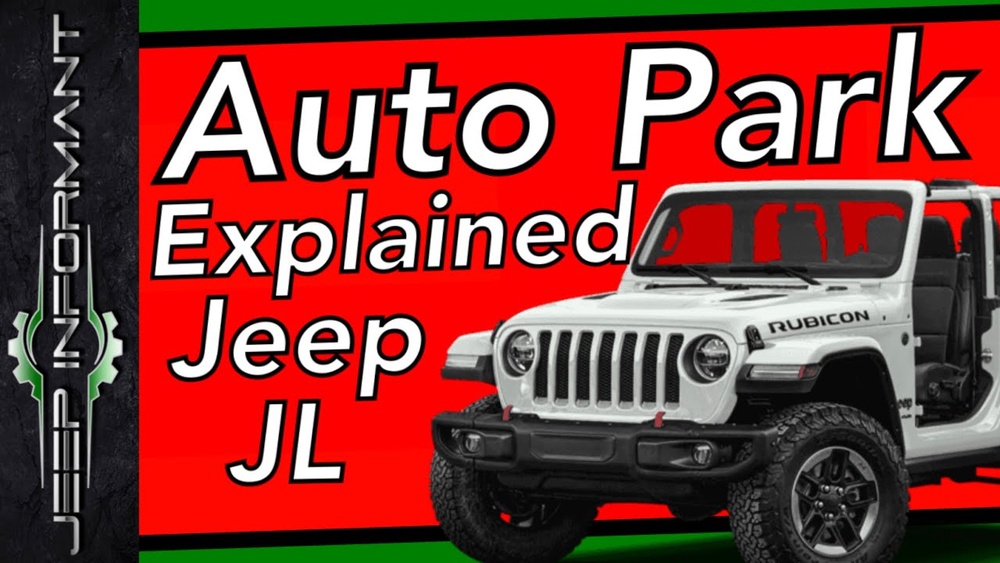
How Does Jeep Autopark Work?
Jeep’s Autopark system uses a mix of ultrasonic sensors, cameras, and onboard computers. Here’s a simple breakdown of the process:
- Scanning for a Parking Space: The driver activates the system (usually by pressing a button on the dashboard or center console). The sensors then scan the area for a suitable parking spot as you drive slowly past parked cars.
- Selecting the Spot: When a spot is detected, the system alerts the driver. You confirm if you want to park there.
- Guiding the Car: The driver shifts the car into reverse or drive as needed. Autopark takes over the steering, moving the wheel automatically to fit the car into the spot.
- Driver’s Role: You remain in control of the gas and brake pedals and can stop the process at any time by taking over the steering wheel or pressing the brake firmly.
Below is a comparison of manual parking vs. Jeep Autopark:
| Feature | Manual Parking | Jeep Autopark |
|---|---|---|
| Steering | Driver controls everything | System controls steering |
| Pedals (Gas/Brake) | Driver | Driver |
| Parking Accuracy | Depends on driver skill | High, consistent |
| Time to Park | Varies | Usually faster |
| Stress Level | Often high | Usually lower |
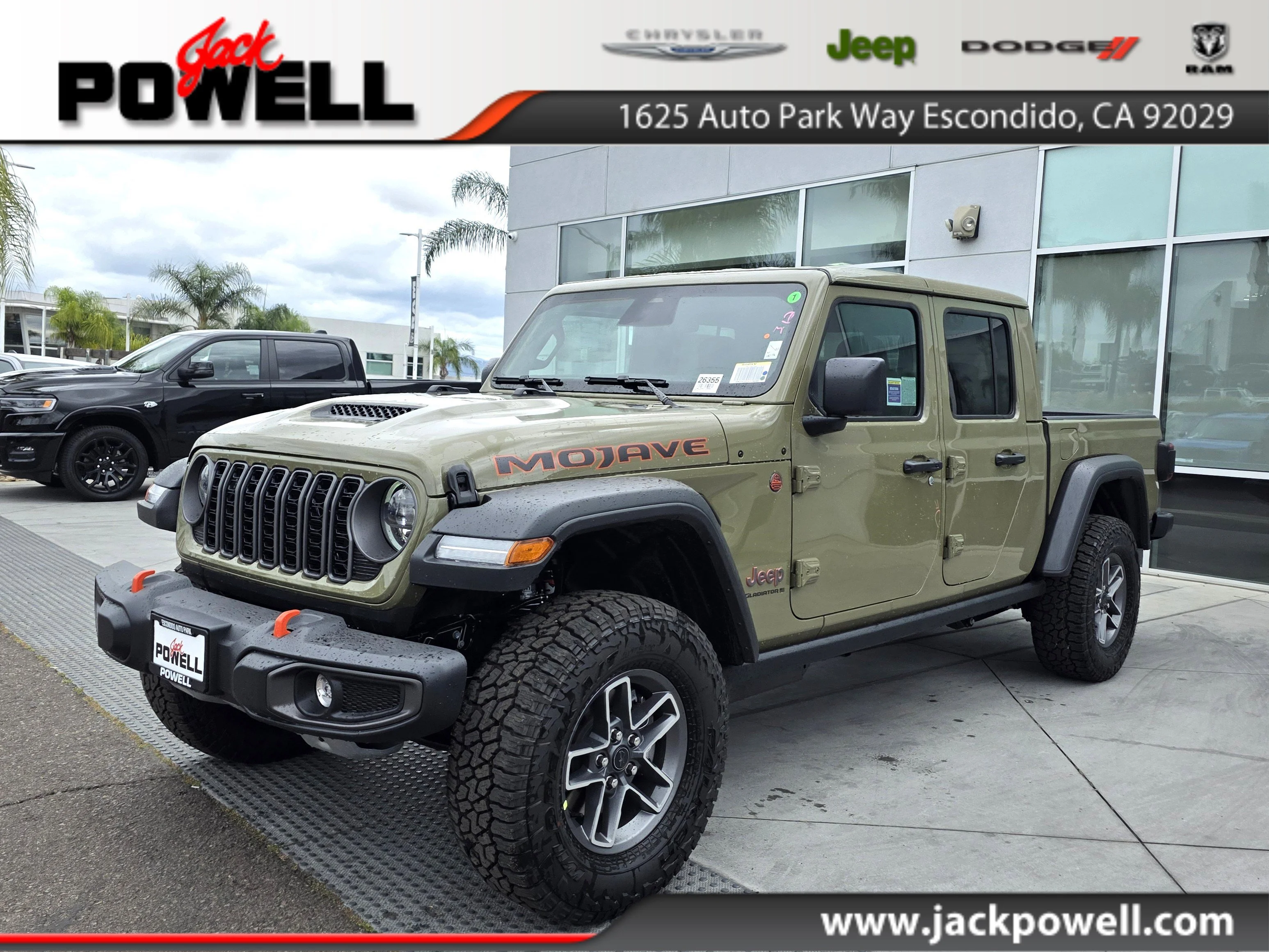
Key Benefits Of Autopark Jeep
Using Autopark in a Jeep offers several clear advantages:
- Easier Parking: Handles complicated steering, making tight spots accessible.
- Reduced Risk of Scratches: Sensors help avoid hitting other cars or obstacles.
- Less Stress: Great for new drivers or those who dislike parking.
- Consistent Results: The system parks the same way every time, reducing mistakes.
Some Jeep owners have even found that Autopark can fit their car into spaces they would never attempt on their own, especially in busy city areas.
Which Jeep Models Offer Autopark?
Not all Jeeps come with Autopark. The feature is usually found in higher trim levels or as part of an optional tech package. Here’s a quick look at some models and years where Autopark is available:
| Jeep Model | Autopark Availability |
|---|---|
| Grand Cherokee | 2014-present (select trims) |
| Compass | 2017-present (select trims) |
| Renegade | 2019-present (select trims) |
| Wagoneer/Grand Wagoneer | 2022-present (select trims) |
Always check your Jeep’s owner manual or ask a dealer to confirm if your vehicle supports Autopark. Some earlier models may require updates or have limited functionality.
Step-by-step: Using Jeep Autopark
If you’ve never used Autopark before, it can feel a bit strange. Here’s how to use it safely:
- Drive Slowly: Move past the row of parked cars at a slow speed (usually under 20 mph).
- Activate Autopark: Press the Autopark button—look for a “P” icon with a steering wheel.
- Wait for Alert: The system scans for a space. When it finds one, you’ll hear a beep or see a message.
- Follow Prompts: Shift into reverse or drive as instructed. Remove your hands from the steering wheel.
- Control Pedals: Use the brake and gas as needed. The system steers the car into the spot.
- Complete Parking: When finished, the system will tell you. Shift into park and turn off the engine.
Practical Tips For Success
- Keep sensors clean—dirt or ice can block them.
- Watch for obstacles: The system may not detect very low or high objects.
- Stay alert: You are still responsible for safety.
- Don’t rush; let the system work at its own pace.
Common Problems And Limitations
While Autopark is a smart feature, it’s not perfect. Here are some things to remember:
- Not all spots are suitable: The system has size limits for parking spaces.
- Weather can affect sensors: Heavy rain or snow may reduce accuracy.
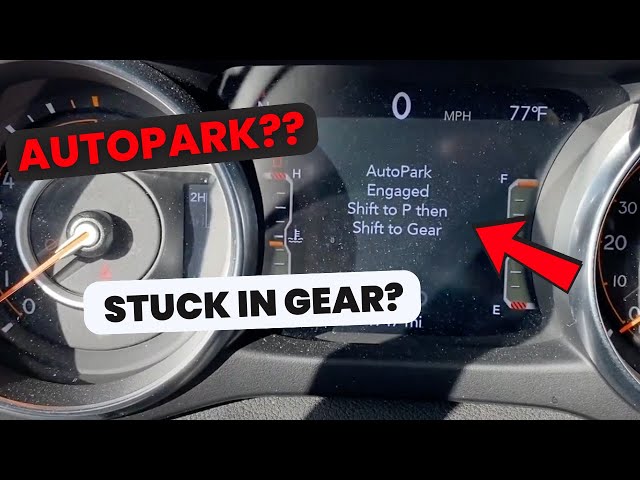
- Manual override: If you touch the wheel or press the brake hard, the system stops.
- Software bugs: Rare glitches can occur; always check for recalls or updates.
Some users find that Autopark struggles with unusual spaces or very tight angles. Experienced drivers may still prefer manual parking in these cases.
How Safe Is Autopark?
Jeep’s Autopark has many built-in safety checks. The driver must always stay alert and ready to take over.
Sensors are set to stop the car if something suddenly moves into the path. According to Jeep’s own data, the system has greatly reduced minor parking accidents in vehicles that use it.
Here is a quick comparison of safety features:
| Safety Feature | Autopark | Manual Parking |
|---|---|---|
| Obstacle detection | Yes | Driver’s skill |
| Automatic stop | Yes | No |
| Consistent performance | Yes | Varies |
The Future Of Parking Technology
Autopark is just one step toward fully self-driving vehicles. As this technology improves, we may see even more advanced parking systems, including remote control from a smartphone or complete hands-off parking. Jeep and other automakers are investing heavily in making cars smarter and safer. For more about the latest in smart car features, visit Wikipedia’s page on ADAS.
As more people get used to these features, parking may soon become a worry of the past.
Frequently Asked Questions
What Happens If I Touch The Steering Wheel During Autopark?
The system will immediately cancel itself, and you’ll have full control of the car again. This is a safety feature.
Can Autopark Work In All Types Of Parking Spaces?
No, Autopark has size and shape limits. It works best in standard parallel and perpendicular spaces.
Does Autopark Work In Bad Weather?
Heavy rain, snow, or ice can block sensors and reduce accuracy. Always keep sensors clean for best results.
Is Autopark Available On All Jeep Models?
No, it is only available on select models and trims. Check your specific Jeep or ask your dealer.
Is It Safe To Rely Only On Autopark?
You should always stay alert and monitor your surroundings. Autopark is a tool, not a replacement for careful driving.
With features like Autopark, Jeep continues to make driving easier and safer, especially for those who find parking stressful. As technology improves, expect even more helpful systems in the near future.