The straight 6 Jeep engine holds a unique place in automotive history. Known for its smooth power delivery and legendary durability, this engine design has powered Jeeps for decades. But what exactly is a straight 6 Jeep engine, and why does it have such a loyal following? This article breaks down the basics, explores the six main straight 6 Jeep engines, and explains why so many enthusiasts still seek them today.
What Is A Straight 6 Jeep Engine?
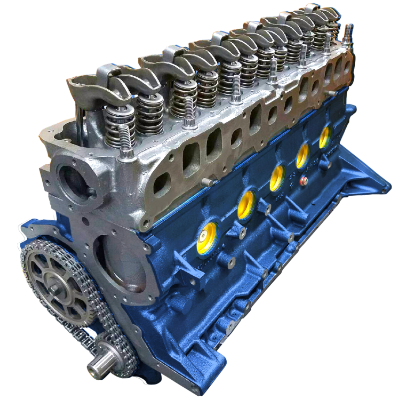
A straight 6 engine—also called an inline-six—has six cylinders arranged in a single line. In Jeep vehicles, this layout became famous for its balance, reliability, and power. Unlike V6 engines, the straight 6’s simple design means fewer moving parts and easier maintenance.
Jeep first used the straight 6 in the mid-20th century, and it became a signature engine for various models, especially the Wrangler and Cherokee. The engine is known for its:
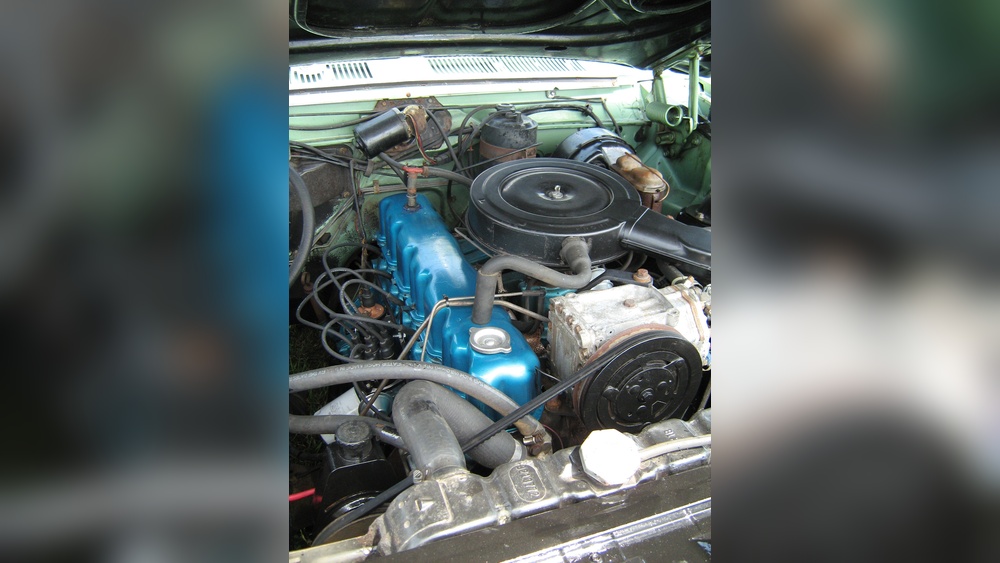
- Smoothness: The inline layout reduces vibrations.
- Low-end torque: Great for off-road driving and towing.
- Longevity: Many engines last 200,000+ miles with basic care.
The Six Key Straight 6 Jeep Engines
Jeep’s history includes several straight 6 engines, but six stand out as the most important. Each brought something different to the table and helped shape Jeep’s reputation.
1. Willys 226 Super Hurricane
The Willys 226 Super Hurricane was introduced in 1954. It powered early Jeep trucks and wagons, offering more strength than four-cylinder engines. Its specs:
- Displacement: 226 cubic inches (3.7L)
- Horsepower: 115 hp
- Torque: 190 lb-ft
This engine was valued for its ruggedness, especially in tough conditions. It was used until the early 1960s.
2. Amc 232
American Motors Corporation (AMC) launched the 232 straight 6 in 1964. This engine marked Jeep’s move toward more modern, efficient engines.
- Displacement: 232 cubic inches (3.8L)
- Horsepower: 135 hp (varied by year)
- Applications: Jeep CJ, Wagoneer, and J-Series trucks
The AMC 232 was reliable, easy to repair, and offered better fuel economy than earlier engines.
3. Amc 258
The AMC 258 (4.2L) is one of Jeep’s most beloved engines. Introduced in 1971, it powered many classic Jeeps until 1990.
- Displacement: 258 cubic inches (4.2L)
- Horsepower: 110–120 hp
- Torque: 195–215 lb-ft
Its reputation for torque and durability made it a favorite for off-roading and daily driving. Many 258s are still running strong today.
4. Jeep 4.0l High Output
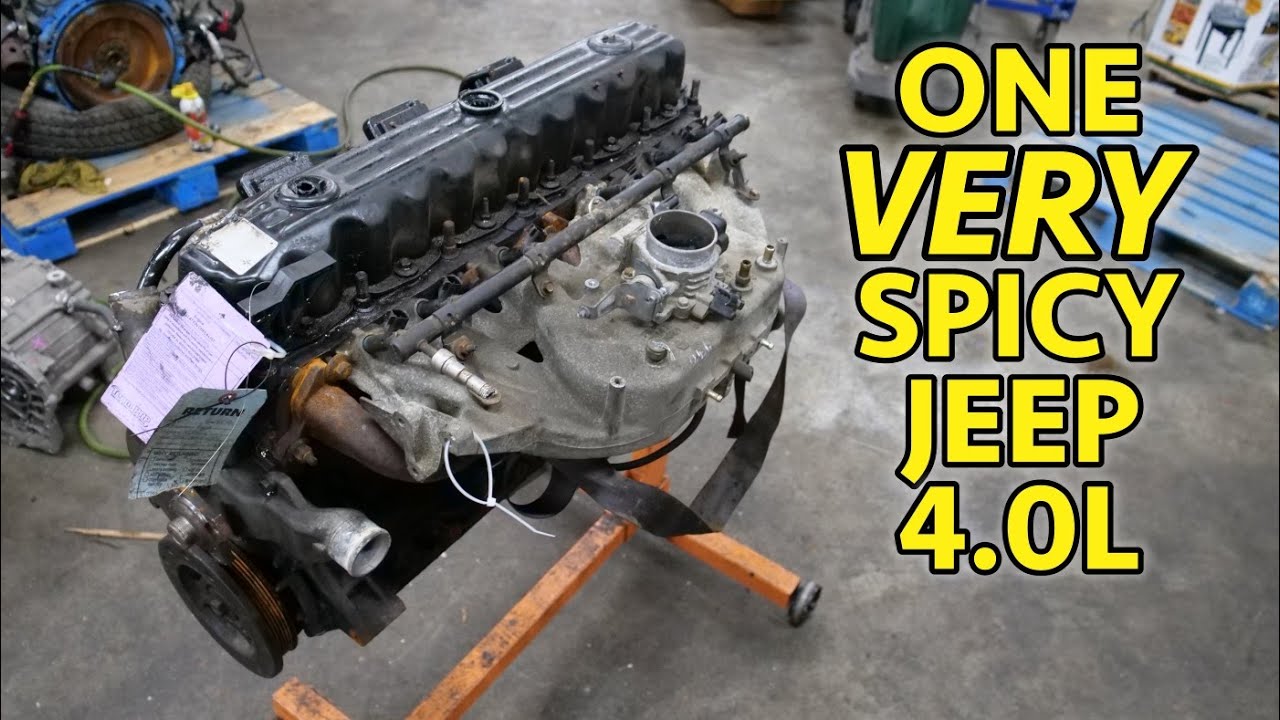
The 4.0L straight 6 is perhaps the most famous Jeep engine. Launched in 1987, it combined the best features of earlier straight 6s with modern engineering.
- Displacement: 242 cubic inches (4.0L)
- Horsepower: 173–190 hp (depending on year)
- Torque: 220–235 lb-ft
Found in the Cherokee XJ, Wrangler YJ/TJ, and Grand Cherokee ZJ, the 4.0L was known for its power and legendary reliability. Many consider it Jeep’s best engine ever.
5. Jeep 4.2l (258) With Computerized Control
In the 1980s, Jeep updated the classic 258 with computerized engine controls. This added features like fuel feedback and electronic ignition.
- Years: 1981–1990
- Benefits: Better fuel economy, lower emissions
- Challenges: Early systems could be hard to diagnose and repair
This engine bridged the gap between old-school simplicity and modern efficiency.
6. Jeep Tornado 230 Ohc
A rare but important engine, the Tornado 230 OHC was Jeep’s first overhead cam straight 6.
- Displacement: 230 cubic inches (3.8L)
- Horsepower: 140 hp
- Notable for: Advanced design for its time (1962–1965)
While not produced in high numbers, the Tornado showed Jeep’s willingness to innovate.
Key Advantages Of The Straight 6 Jeep Engine
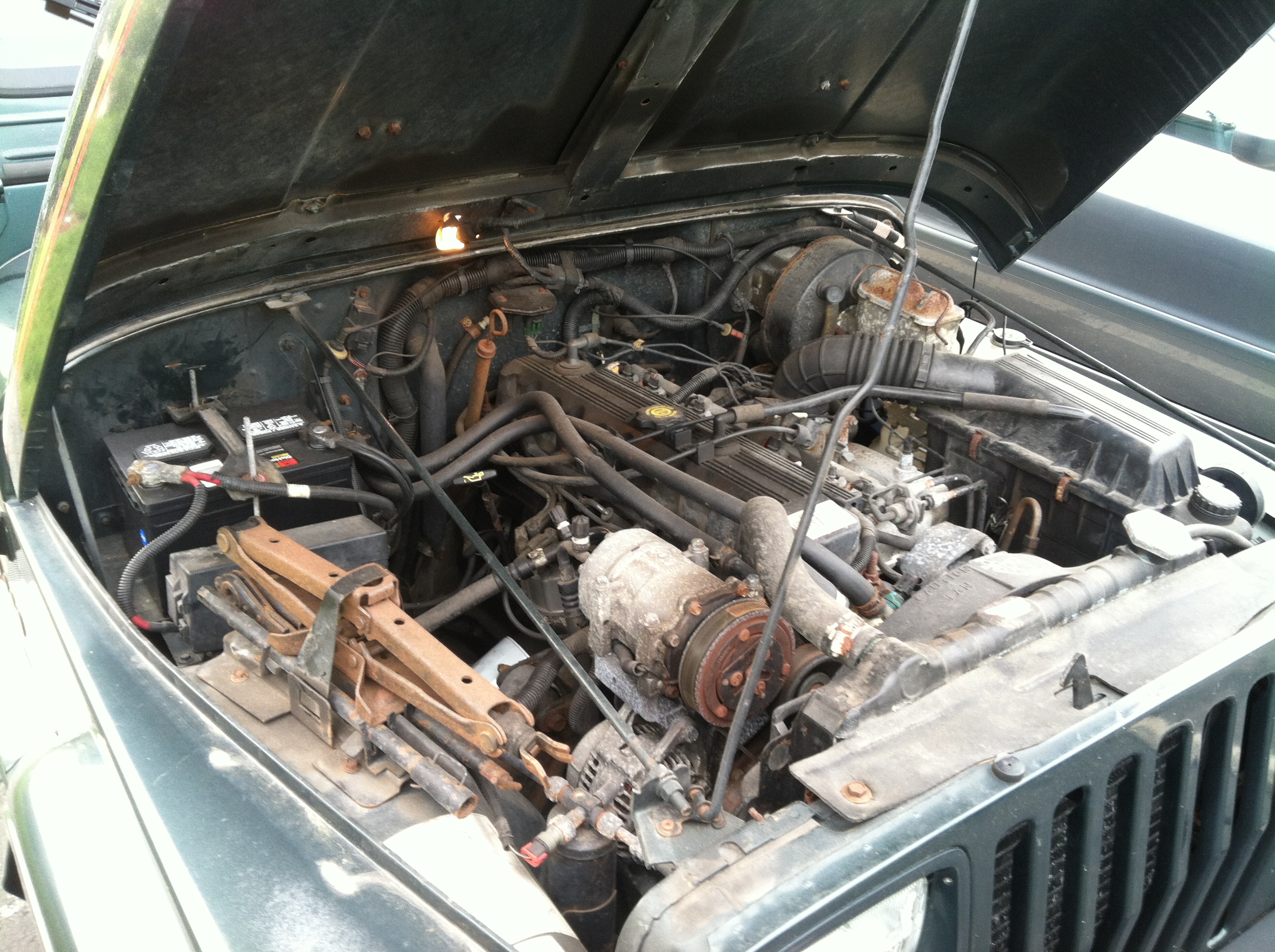
Enthusiasts love the straight 6 for several reasons:
- Smooth operation: Inline design naturally balances the engine.
- Great torque: Perfect for off-roading and towing.
- Simple construction: Fewer parts means easier repairs.
- Long lifespan: Many engines easily reach high mileage.
These advantages made the straight 6 a natural fit for Jeep’s rugged image.
Common Issues And Reliability
No engine is perfect, but Jeep’s straight 6 engines are known for reliability. Common issues include:
- Oil leaks: Often from valve cover gaskets.
- Cooling problems: Overheating if the radiator or water pump fails.
- Sensor failures: In later models with electronic controls.
Most problems are easy to fix with basic tools. Regular oil changes and cooling system maintenance can prevent most breakdowns.
Straight 6 Vs. V6 Jeep Engines
Here’s a quick look at how straight 6 and V6 engines compare:
| Feature | Straight 6 | V6 |
|---|---|---|
| Smoothness | Very high | Moderate |
| Low-end Torque | Excellent | Good |
| Engine Size | Longer | Shorter |
| Maintenance | Simple | More complex |
| Reliability | Legendary | Varies |
Real-world Examples
Many Jeep owners have clocked over 300,000 miles on their straight 6 engines with only basic maintenance. For example, the Jeep Cherokee XJ with the 4.0L engine is famous for surviving tough trails and daily driving year after year.
The straight 6’s smooth idle and strong torque are especially noticeable when climbing hills or pulling trailers. Some modern SUVs struggle to match the old straight 6’s low-end power.
Why The Straight 6 Is Still Popular
Despite newer engine technology, many Jeep fans still seek out vehicles with the straight 6. Why?
It’s about trust. The engine’s simple design, easy parts availability, and proven toughness make it a smart choice for both restoration projects and daily use.
In recent years, the straight 6 has even made a comeback. Jeep’s parent company, Stellantis, has launched a new Hurricane inline-six, showing that this classic design still has a place in modern vehicles.
Straight 6 Jeep Engines By The Numbers
Here’s a quick comparison of the six main straight 6 Jeep engines:
| Engine | Years Used | Displacement (L) | Horsepower |
|---|---|---|---|
| Willys 226 Super Hurricane | 1954–1962 | 3.7 | 115 |
| AMC 232 | 1964–1979 | 3.8 | 135 |
| AMC 258 | 1971–1990 | 4.2 | 120 |
| Jeep 4.0L HO | 1987–2006 | 4.0 | 190 |
| Jeep 4.2L (258) Computerized | 1981–1990 | 4.2 | 115 |
| Tornado 230 OHC | 1962–1965 | 3.8 | 140 |
If you want more technical details, you can visit the official Wikipedia page on the AMC straight-6 engine.
Frequently Asked Questions
What Makes The Straight 6 Jeep Engine So Reliable?
The inline design has fewer moving parts and natural engine balance. This reduces wear and tear, leading to longer life.
Which Jeep Models Used The Straight 6 Engine?
Popular models include the Cherokee XJ, Wrangler YJ/TJ, and many early Jeep trucks and Wagoneers.
Is The Jeep 4.0l Straight 6 Better Than Modern V6 Engines?
For durability and torque, many enthusiasts prefer the 4.0L straight 6. However, modern V6 engines often have better fuel economy and emissions.
Can You Still Buy Parts For Straight 6 Jeep Engines?
Yes, parts are widely available for most straight 6 Jeep engines, especially the 4.0L and 258.
Are Straight 6 Jeep Engines Good For Off-roading?
Absolutely. Their low-end torque, smooth power, and simple design make them ideal for off-road adventures.
The straight 6 Jeep engine is more than just a piece of machinery it’s a symbol of Jeep’s rugged history and engineering strength.
Whether you’re a collector, off-road enthusiast, or daily driver, understanding this iconic engine helps you appreciate why it remains a favorite among fans worldwide.