If you’re a Jeep enthusiast, you may have heard the term Renix Jeep and wondered what it really means. This phrase pops up often in off-road forums, classic car groups, and Jeep restoration circles.
But what is a Renix Jeep, and why does it matter to those who love these rugged vehicles? In this article, we’ll break down the meaning of Renix, why these Jeeps stand out, and what owners should know to keep them running strong.
What Does “renix” Mean?
The name Renix comes from a joint venture between Renault and Bendix, two well-known automotive companies. In the 1980s, Jeep was owned by American Motors Corporation (AMC), who worked with Renault to develop new engine management systems. The Renix system combined European fuel injection technology from Renault with American electronics from Bendix.
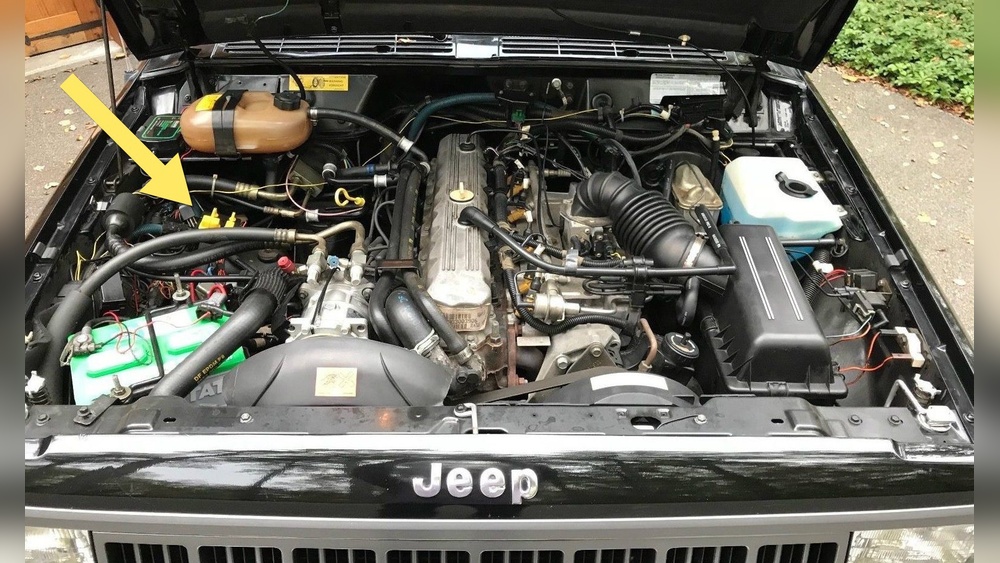
A Renix Jeep refers to Jeep vehicles from the late 1980s that use this Renix engine management system. You’ll mostly find these systems in the Jeep Cherokee XJ and Jeep Comanche MJ built between 1987 and 1990. Some 1986 models may also have Renix components.
Key Features Of Renix Jeeps
Renix Jeeps have several unique features that set them apart from other models. Let’s look at what makes them special:
- Engine Management: The Renix system controls fuel injection and ignition. It uses a set of sensors, a computer (ECU), and electronic fuel injectors.
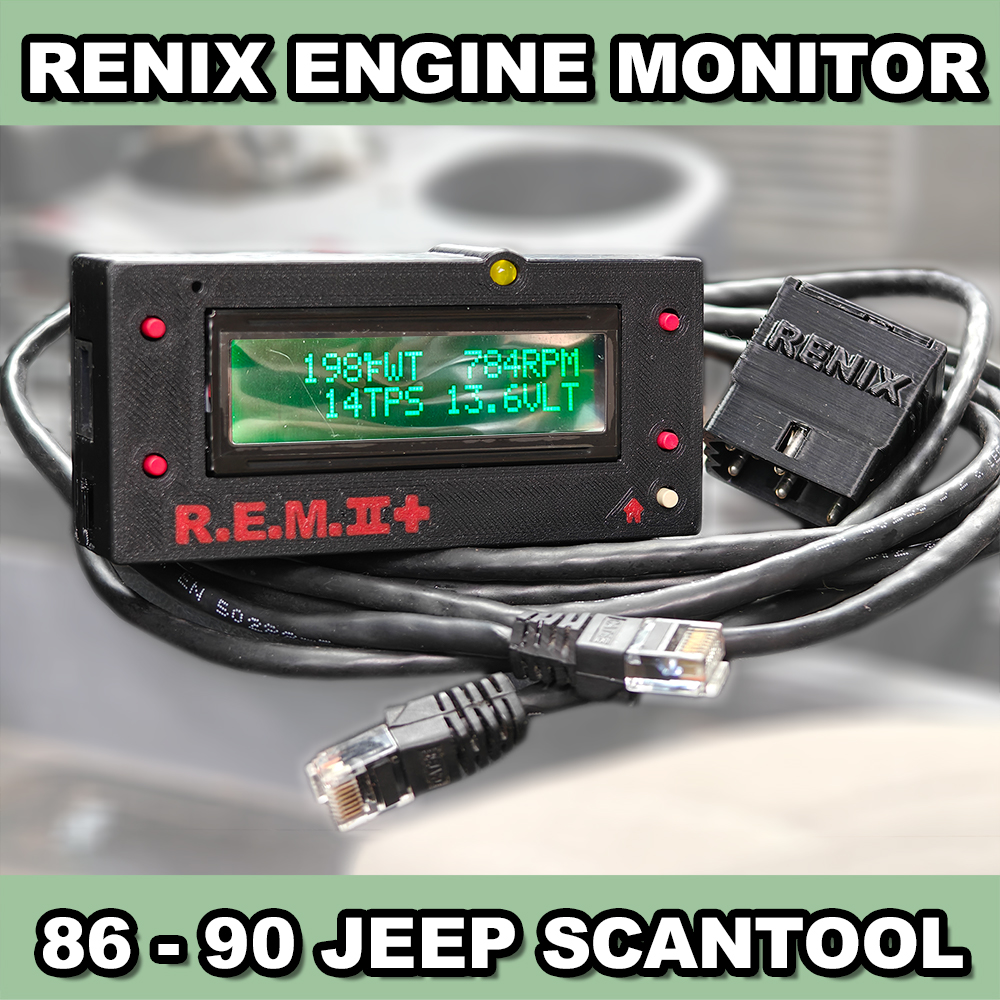
- Non-OBD System: Unlike later Jeeps, Renix systems are not OBD (On-Board Diagnostics) compliant. This means you can’t read trouble codes with a modern scanner.
- Unique Sensors and Wiring: Many parts, like the throttle position sensor and crankshaft position sensor, are specific to Renix models.
- Inline-6 Engine: Most Renix Jeeps use the 4.0-liter inline-six engine that’s famous for reliability and torque.
Here’s a quick comparison of Renix vs. later Chrysler systems:
| Feature | Renix (1987-1990) | Chrysler (1991+) |
|---|---|---|
| Engine Control Unit | Renix ECU | Chrysler ECU |
| Diagnostics | No OBD | OBD-I/OBD-II |
| Fuel Injection | Multipoint, Renix | Multipoint, Chrysler |
| Wiring | More complex | Simpler design |
Why Do Renix Jeeps Matter?
Renix Jeeps hold a special place in the hearts of many Jeep fans. Here’s why:
- Early Fuel Injection: Renix systems introduced fuel injection to Jeeps, replacing carburetors. This improved fuel efficiency and performance.
- Durability: The 4.0L engine paired with Renix electronics is known for lasting hundreds of thousands of miles if maintained.
- Classic Jeep Feel: These Jeeps still keep the classic boxy look and rugged build of the 1980s, making them popular for restoration projects.
But Renix Jeeps also come with a learning curve. Many mechanics today are more familiar with OBD systems, so troubleshooting Renix electronics can be tricky.
Common Issues And Maintenance Tips
Like any older vehicle, Renix Jeeps have some well-known problems. Here’s what owners should watch for:
- Sensor Problems: Sensors like the crankshaft position sensor can fail and cause hard starting or rough running.
- Poor Grounds: Electrical grounds in Renix Jeeps can corrode, leading to strange problems. Cleaning and upgrading grounds often solves many issues.
- Limited Diagnostics: Without OBD, diagnosing problems often means checking each sensor and wire manually.
Here are some practical tips to keep a Renix Jeep running smoothly:
- Regularly check and clean all electrical grounds.
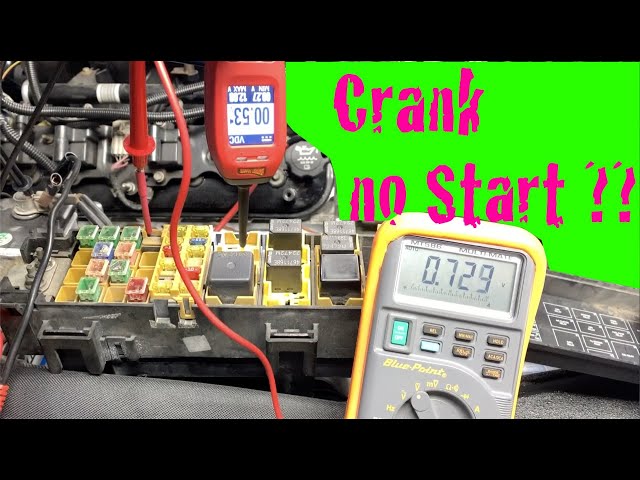
- Use a good quality multimeter to test sensors.
- Keep a spare crankshaft position sensor in the glovebox—these are known weak points.
- Use factory service manuals, which have detailed troubleshooting guides for Renix systems.
Here’s a summary of common issues and suggested solutions:
| Problem | Typical Cause | Solution |
|---|---|---|
| Hard Starting | Faulty crankshaft sensor | Replace sensor |
| Engine Stalls | Poor ground connections | Clean and tighten grounds |
| Erratic Idle | Dirty idle air control valve | Clean or replace valve |
| No Start, No Spark | ECU failure | Test and replace ECU if needed |

How To Identify A Renix Jeep
If you’re shopping for a classic Jeep or want to know what you have, spotting a Renix model is simple if you know what to look for:
- Model Years: Look for 1987–1990 Jeep Cherokee XJ or Comanche MJ.
- Engine Label: The air filter box may have a “4.0L” sticker, and under the hood you’ll see Renix sensors and wiring.
- ECU Location: Renix ECUs are often mounted under the dashboard, not in the engine bay like later models.
- No Diagnostic Port: Unlike newer Jeeps, there is no OBD port under the dash.
One detail beginners often miss is the unique fuel rail and injector wiring on Renix models. These parts are not interchangeable with later Chrysler systems. If you plan to upgrade or repair, always double-check part numbers.
Pros And Cons Of Renix Jeeps
Renix Jeeps have their loyal fans, but they’re not for everyone. Here’s a quick look at their main strengths and weaknesses:
| Pros | Cons |
|---|---|
| Simple, robust engine | Harder to find parts |
| Classic Jeep styling | Limited diagnostic tools |
| Strong aftermarket support | Electronics can be confusing |
| Affordable entry to classic Jeeps | Some sensors are expensive |
Is A Renix Jeep Right For You?
If you enjoy working on your own vehicle and want a piece of Jeep history, a Renix model can be a great choice. These Jeeps offer strong performance, a classic look, and a true “old-school” driving feel.
However, they require patience and a willingness to learn about their unique systems.
For those who want a plug-and-play daily driver, a later model with OBD diagnostics might be easier to own.
If you want to explore the technical side further, you can find more details at the Jeep Cherokee (XJ) Wikipedia page.
Frequently Asked Questions
What Years Were Renix Jeeps Made?
Renix Jeeps were produced from 1987 to 1990 in the US, mainly in the Cherokee XJ and Comanche MJ models.
How Can I Tell If My Jeep Has A Renix System?
Check your vehicle’s year and engine. If it’s a 1987–1990 XJ or MJ with a 4.
0L inline-six, it likely has a Renix system. The lack of an OBD port and unique wiring are strong clues.
Are Renix Jeeps Reliable?
Yes, with regular maintenance. The 4.0L engine is known for high mileage, but electrical issues can arise if grounds and sensors are neglected.
Can I Upgrade A Renix Jeep To A Newer Engine Management System?
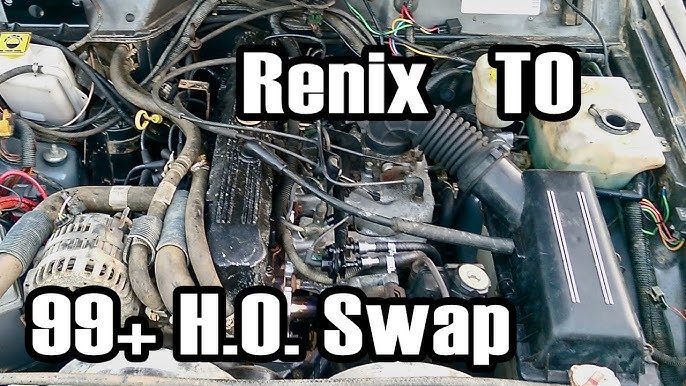
Yes, but it requires significant work. Swapping to a Chrysler system involves changing wiring, sensors, and the ECU. Many owners keep the Renix for originality.
Where Can I Find Parts For A Renix Jeep?
Parts are available online and from Jeep specialists, though some sensors and ECUs may be harder to find than those for newer models. Joining Jeep forums can also help locate rare parts.
Owning a Renix Jeep is a unique experience. They offer a blend of classic style, mechanical simplicity, and a bit of a challenge—perfect for those who love to tinker and explore.