Owning a Jeep is often about adventure, rugged roads, and reliable performance. But when you dig into the mechanical side, you might hear about the PTU—a term that can confuse even experienced drivers. If you drive a Jeep with all-wheel drive or 4×4, understanding the PTU is important for both maintenance and performance. This article explains what a PTU is, how it works, and why it matters for Jeep owners.
What Is A Ptu On A Jeep?
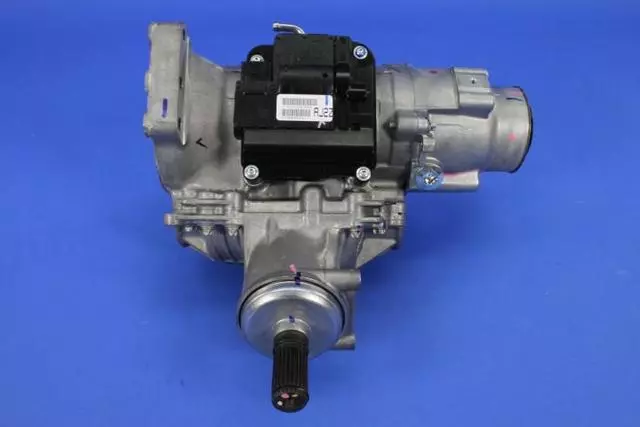
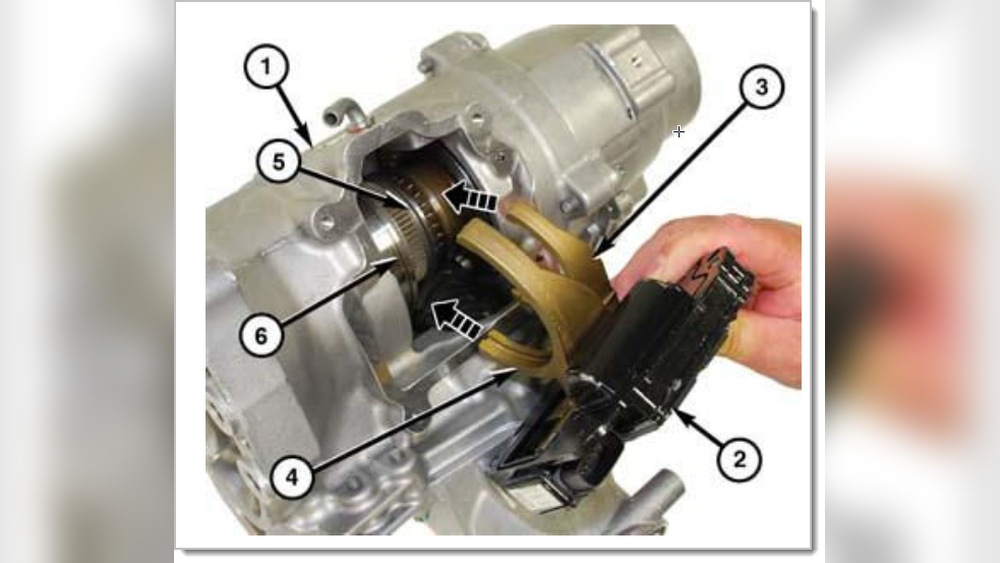
The PTU stands for Power Transfer Unit. It is a key component in many modern Jeeps, especially those with all-wheel drive (AWD) or four-wheel drive (4WD) systems. The PTU’s job is to transfer power from the transmission to the rear wheels, helping your Jeep handle tough terrain and slippery roads.
Unlike older Jeep models that use a traditional transfer case, newer Jeeps—like the Cherokee, Compass, and Grand Cherokee—often use a PTU. This part is smaller and lighter, making it ideal for vehicles built with fuel efficiency and compact design in mind.
Main Functions Of The Ptu
- Distributes engine power to both front and rear wheels.
- Improves traction on snow, mud, and uneven surfaces.
- Supports automatic AWD systems that adjust power without driver input.
The PTU is crucial for Jeep’s advanced driving modes, such as Selec-Terrain and Active Drive. These features let drivers switch between different surfaces, like sand, snow, or rocks, and the PTU responds by directing power where it’s needed.
Ptu Vs. Transfer Case: How Are They Different?
Many people confuse the PTU with the transfer case. Both move power between wheels, but they work differently. Here’s a clear comparison:
| Feature | PTU (Power Transfer Unit) | Transfer Case |
|---|---|---|
| Size | Compact | Larger |
| Weight | Light | Heavy |
| Used in | AWD systems | 4WD systems |
| Driver control | Automatic | Manual or automatic |
| Common Jeep models | Cherokee, Compass | Wrangler, older Grand Cherokee |
A PTU is usually found in vehicles with front-wheel drive layouts converted to AWD. It’s designed for on-road comfort and light off-roading. A transfer case is tougher, built for heavy off-roading and deep mud or rocks.
How Does The Ptu Work In A Jeep?
The PTU connects directly to the transmission. When your Jeep senses that the front wheels are slipping, the PTU sends power to the rear wheels. This happens instantly, thanks to sensors and computer controls.
Here’s a simple breakdown:
- Transmission spins the PTU.
- PTU uses gears to redirect power to a driveshaft.
- Driveshaft carries power to the rear differential and wheels.
Some Jeeps use an electronic clutch inside the PTU. This clutch can engage or disengage the rear wheels based on driving conditions. For example, in normal driving, your Jeep may use only front-wheel drive. But when snow or mud is detected, the PTU automatically kicks in to provide AWD.
Common Ptu Problems And Maintenance
PTUs are reliable, but they can develop issues—especially if not maintained properly. Here are typical problems:
- Fluid leaks: PTUs use special gear oil. Leaks can cause overheating and damage.
- Noisy operation: Grinding or whirring sounds mean gears are worn.
- Loss of AWD: If the PTU fails, your Jeep may become front-wheel drive only.
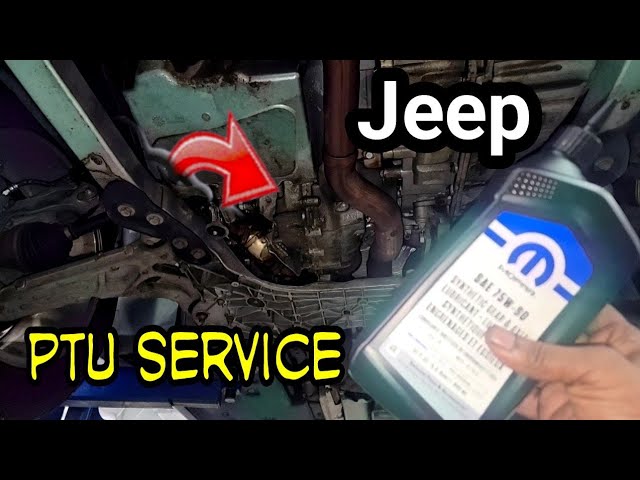
Regular maintenance helps avoid these issues. Check PTU fluid levels every 30,000 miles, or as recommended in your Jeep’s manual.
Look for leaks under the vehicle and listen for unusual noises.
Ptu Lifespan And Replacement Costs
The average PTU lifespan is about 80,000–120,000 miles. Replacement can cost $900–$1,500 for parts and labor. If caught early, fixing leaks or replacing fluid is much cheaper.
| PTU Problem | Estimated Repair Cost |
|---|---|
| Fluid leak repair | $200–$400 |
| Gear replacement | $600–$900 |
| Full PTU replacement | $900–$1,500 |

Which Jeep Models Use A Ptu?
Not all Jeeps have a PTU. Here are some that do:
- Jeep Cherokee (2014 and newer)
- Jeep Compass
- Jeep Renegade
- Jeep Grand Cherokee (AWD versions)
Models like the Jeep Wrangler stick with a transfer case because they’re designed for extreme off-road use.
Ptu In Real Driving: Examples And Insights
Imagine you’re driving a Jeep Cherokee through heavy snow. The PTU senses slipping at the front wheels and instantly sends power to the rear wheels. You stay in control, avoiding skids.
One non-obvious insight: Many drivers don’t realize that the PTU works quietly in the background. You won’t feel the switch—it’s managed by the Jeep’s computer. Another important tip: Replacing PTU fluid is often missed in regular service, but it keeps your AWD system healthy.
Jeep engineers designed the PTU for efficiency and smoothness. Unlike older systems, you don’t have to shift gears or press buttons. The PTU simply adapts as you drive.
Benefits Of Having A Ptu In A Jeep
- Better traction in rain, snow, or mud.
- Improved fuel efficiency compared to traditional transfer cases.
- Low maintenance with fewer moving parts.
- Automatic AWD control for easy driving.
If you want a Jeep that handles city streets and occasional rough roads, a PTU makes sense. It’s a blend of comfort, safety, and capability.
Frequently Asked Questions
What Does Ptu Stand For In A Jeep?
PTU means Power Transfer Unit. It’s a part that sends power from the transmission to the rear wheels, helping Jeeps drive in AWD.
How Do I Know If My Jeep Has A Ptu?
Check your Jeep’s manual or look up the model specs online. Most newer Cherokees, Compasses, and Renegades use a PTU.
What’s The Difference Between Ptu And Transfer Case?
A PTU is smaller, used in AWD Jeeps, and works automatically. A transfer case is larger, meant for 4WD, and often needs driver control.
Is Ptu Maintenance Necessary?
Yes. Regular PTU fluid changes and leak checks protect your AWD system.
Neglecting PTU maintenance can lead to expensive repairs.
Where Can I Learn More About Jeep Awd Systems?
You can find detailed information at the official Jeep site: Jeep Official Site.
Owning a Jeep means trusting your vehicle in tough situations. The PTU is a hidden hero, making sure you get power where you need it, when you need it.
If you understand how it works and keep it maintained, your Jeep will stay reliable for years to come.