Owning a Jeep is about more than just driving—it’s about adventure, freedom, and exploring where regular vehicles can’t go. One popular upgrade that many Jeep owners consider is a lift kit.
But what exactly is a lift kit for a Jeep, and why do so many people invest in one? If you’re new to the world of off-roading or just want to know if a lift kit is right for your Jeep, this article will give you a clear and simple explanation.
What Is A Lift Kit For A Jeep?
A lift kit is a set of parts used to raise the height of your Jeep’s body or suspension. The main goal is to create more ground clearance. This allows your Jeep to fit bigger tires and handle rougher terrain. Some people also choose lift kits to make their Jeep look taller and more aggressive.
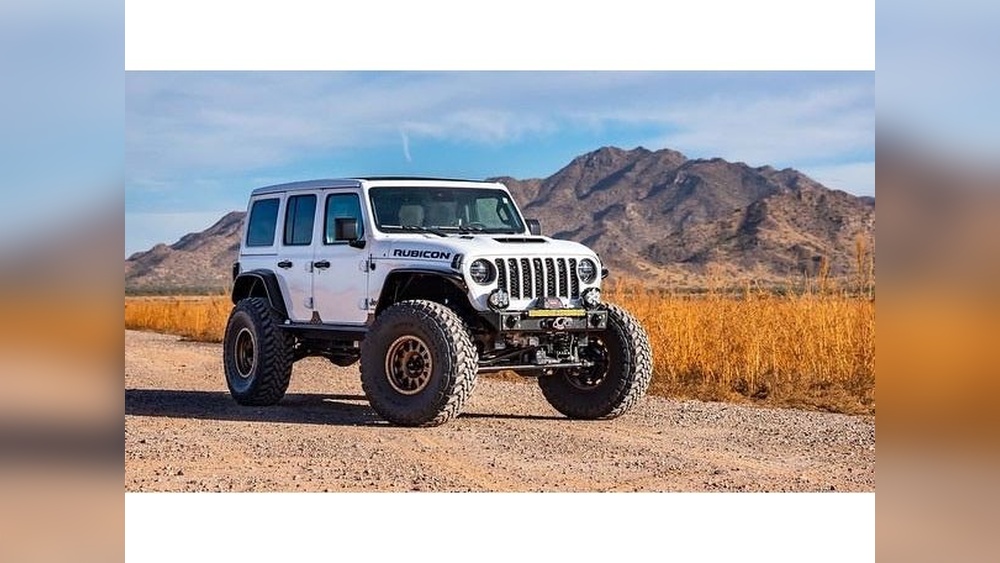
There are two main types of lift kits:
- Body lift kits: These raise the Jeep’s body away from the frame, usually by 1-3 inches. They use spacers or blocks and do not change the suspension.
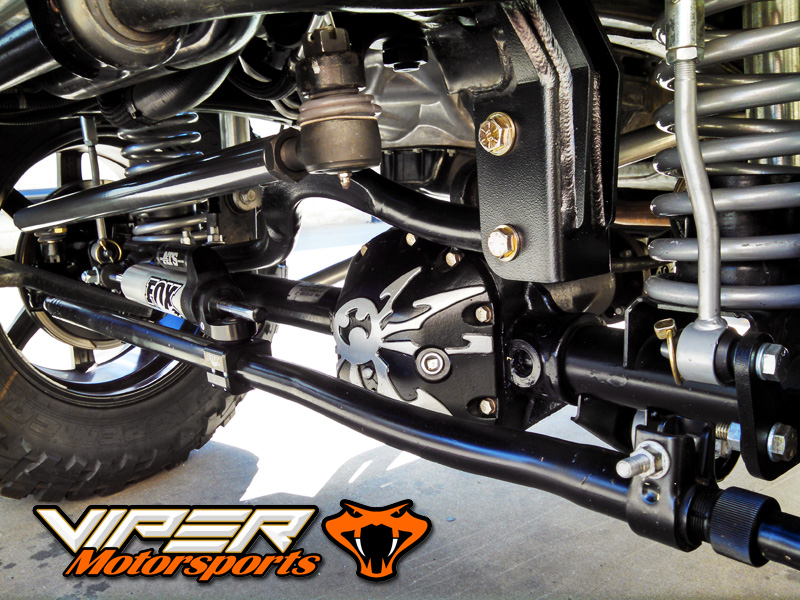
- Suspension lift kits: These raise both the body and frame by changing the suspension parts like springs and shocks. Suspension lifts can range from 2 to 6 inches or more.
Here’s a simple comparison:
| Type | Main Purpose | Lift Height | Cost |
|---|---|---|---|
| Body Lift Kit | Looks, tire clearance | 1-3 inches | Lower |
| Suspension Lift Kit | Performance, off-road | 2-6+ inches | Higher |
Why Do Jeep Owners Install Lift Kits?
Many Jeep owners want better performance when driving off-road. A lift kit helps in several ways:
- Increased ground clearance: Avoid rocks, mud, and debris.
- Bigger tire options: Fit tires up to 35 inches or more.
- Better approach and departure angles: Climb steeper hills without scraping the bumper.
- Aggressive look: A lifted Jeep stands out.
However, not all lift kits are just for off-road. Some owners install them for city driving, enjoying the higher view and stylish appearance.
Key Factors To Consider Before Installing A Lift Kit
Before spending money on a lift kit, it’s important to think about a few things:
- Purpose: Are you planning serious off-road adventures, or do you want your Jeep to look cool on the street?
- Budget: Costs vary a lot. Body lifts are cheaper but offer less performance. Suspension lifts cost more but deliver bigger benefits.
- Installation: Some kits are simple and can be installed at home. Others need professional help and more tools.
- Vehicle warranty: Some warranties do not cover problems caused by lift kits. Always check with your dealer.
- Laws and regulations: In some places, there are rules about how high you can lift your vehicle.
Here’s a look at the cost range for common lift kits:
| Type | Average Cost (Parts) | Installation Cost |
|---|---|---|
| Body Lift Kit | $200 – $600 | $200 – $500 |
| Suspension Lift Kit | $400 – $2,500+ | $400 – $2,000+ |
Pros And Cons Of Jeep Lift Kits
Adding a lift kit has both benefits and downsides. Here’s what you should know:
Pros
- Improved off-road ability: Tackle rough terrain easily.
- Better visibility: Higher seating position.
- Enhanced style: Makes your Jeep look unique and powerful.
- Allows bigger tires: Better traction and ground clearance.
Cons
- Higher center of gravity: Increases rollover risk, especially on sharp turns.
- Ride quality changes: Some kits make the ride stiffer or less comfortable.
- Increased wear: Parts like brakes, steering, and suspension may wear out faster.
- Possible legal issues: Some states have height limits for vehicles.
Real-world Example: Jeep Wrangler With A 3-inch Lift
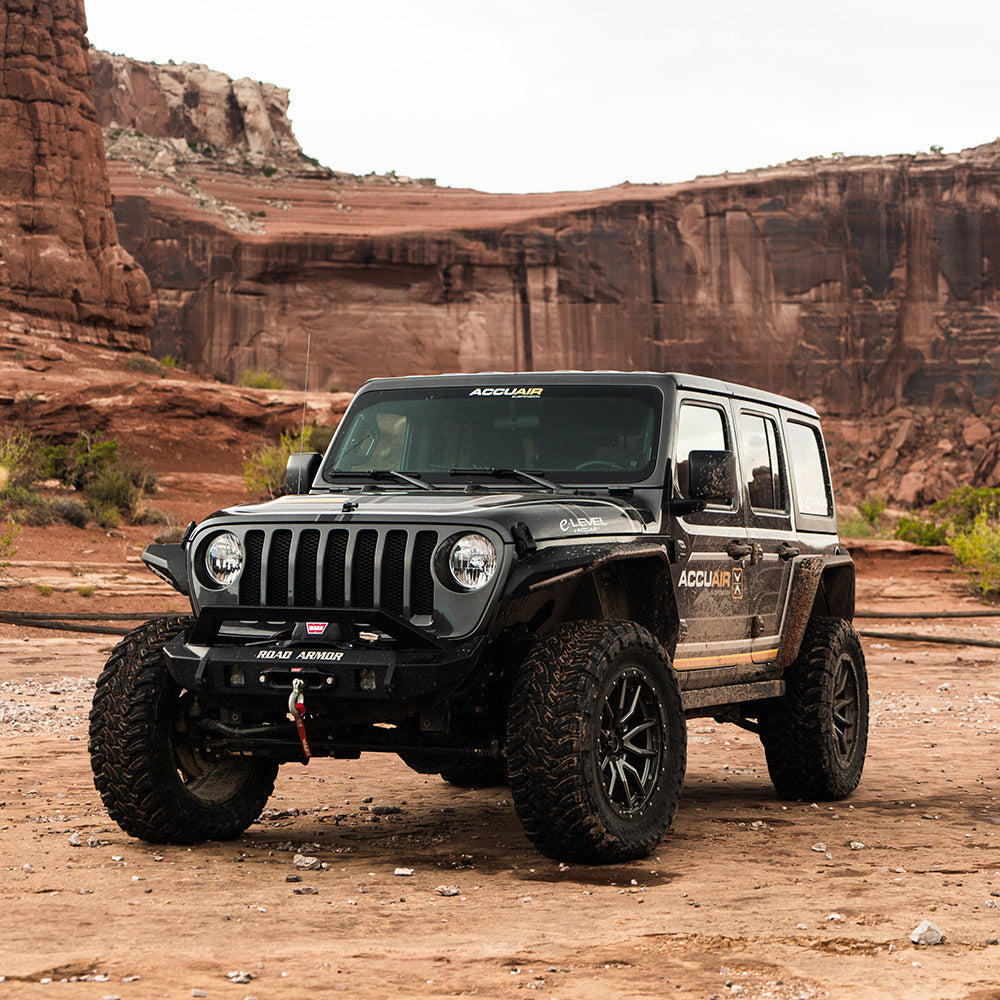
A Jeep Wrangler is one of the most popular models for lift kits. For example, a 3-inch suspension lift lets you fit 35-inch tires and improves off-road performance. However, it may reduce fuel efficiency and make getting in and out harder. You may also need extra parts like longer brake lines or a new driveshaft to keep everything working safely.
Here’s how different lift heights affect the Jeep’s performance:
| Lift Height | Tire Size Fit | Ideal Use |
|---|---|---|
| 1-2 inches | Up to 32″ | Light off-road, daily driving |
| 2.5-3.5 inches | 33-35″ | Moderate off-road |
| 4+ inches | 35″+ | Serious rock crawling |
Two Insights Most Beginners Miss
- Lift kits often require more upgrades: Many people think it’s just about new springs or spacers. But a higher lift may need new shocks, control arms, sway bar links, or even new driveshafts to keep handling safe.
- Alignment and steering impact: After installing a lift kit, your Jeep’s wheel alignment can change. If not fixed, this can cause poor handling and uneven tire wear. It’s smart to have a professional alignment done after installation.

Are Lift Kits Safe?
Lift kits are safe when installed correctly and used responsibly. Problems usually happen when people go too high or skip important upgrades.
Always follow the instructions and use quality parts from trusted brands. If you’re not sure, have a professional do the installation.
Frequently Asked Questions