The Jeep Liberty stands out as one of the most recognizable compact SUVs in American automotive history. From its boxy frame to its off-road capabilities, it became a favorite for drivers seeking both city comfort and rugged adventure.
Many people are familiar with the name, but few know its full story or what set it apart from other SUVs of its time. Let’s take a closer look at what the Jeep Liberty really is, its unique features, and why it still has a loyal following today.
What Is A Jeep Liberty?
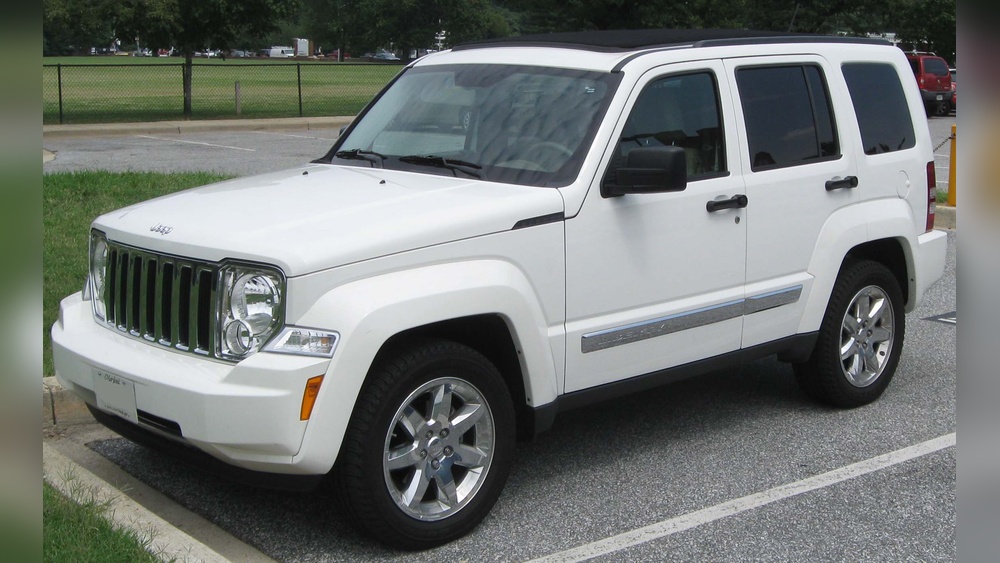
The Jeep Liberty is a compact SUV produced by Jeep, a brand known for its tough, go-anywhere vehicles. Manufactured between 2002 and 2012, the Liberty was positioned between the smaller Jeep Compass and the larger Grand Cherokee. It was designed to offer a balance between daily driving comfort and the ability to handle rough roads or trails.
Key Features And Specifications
When looking at the Jeep Liberty, several features made it different from other SUVs in the same price range.
Engines And Performance
The Liberty was known for its strong engines and impressive off-road abilities. Over the years, Jeep offered several engine options:
- 3.7L V6 engine (most common)
- 2.4L inline-4 engine (early models)
- 2.8L turbo-diesel (limited availability in the US)
The V6 engine delivered about 210 horsepower and 235 lb-ft of torque, making it powerful for its size. While not the fastest SUV, it provided solid acceleration and good towing capacity. The Liberty could tow up to 5,000 pounds when properly equipped.
Off-road Capabilities
The Jeep Liberty came with two main four-wheel-drive systems:
- Command-Trac: A part-time 4WD system for tough terrain.
- Selec-Trac: A full-time 4WD system for mixed surfaces.
These systems, along with its solid suspension, allowed the Liberty to tackle mud, snow, and rocky roads better than many competitors. The ground clearance was about 8.1 inches, enough for most trails.
Interior And Comfort
Inside, the Liberty offered seating for five. It had a practical, straightforward design, focusing on durability rather than luxury. Features included:
- Fold-flat rear seats for extra cargo space
- Optional leather upholstery
- Available sunroof and premium sound system
While the ride was firm, it was comfortable enough for daily use.
Safety And Reliability
Jeep added important safety features over the years, such as:
- Anti-lock brakes (ABS)
- Electronic stability control
- Front and side airbags
However, reliability scores were mixed. Some models had issues with window regulators and the automatic transmission. Regular maintenance was key for trouble-free ownership.
Model Years And Generations
Understanding the changes over the years helps buyers and enthusiasts spot differences and improvements.
| Generation | Model Years | Main Changes |
|---|---|---|
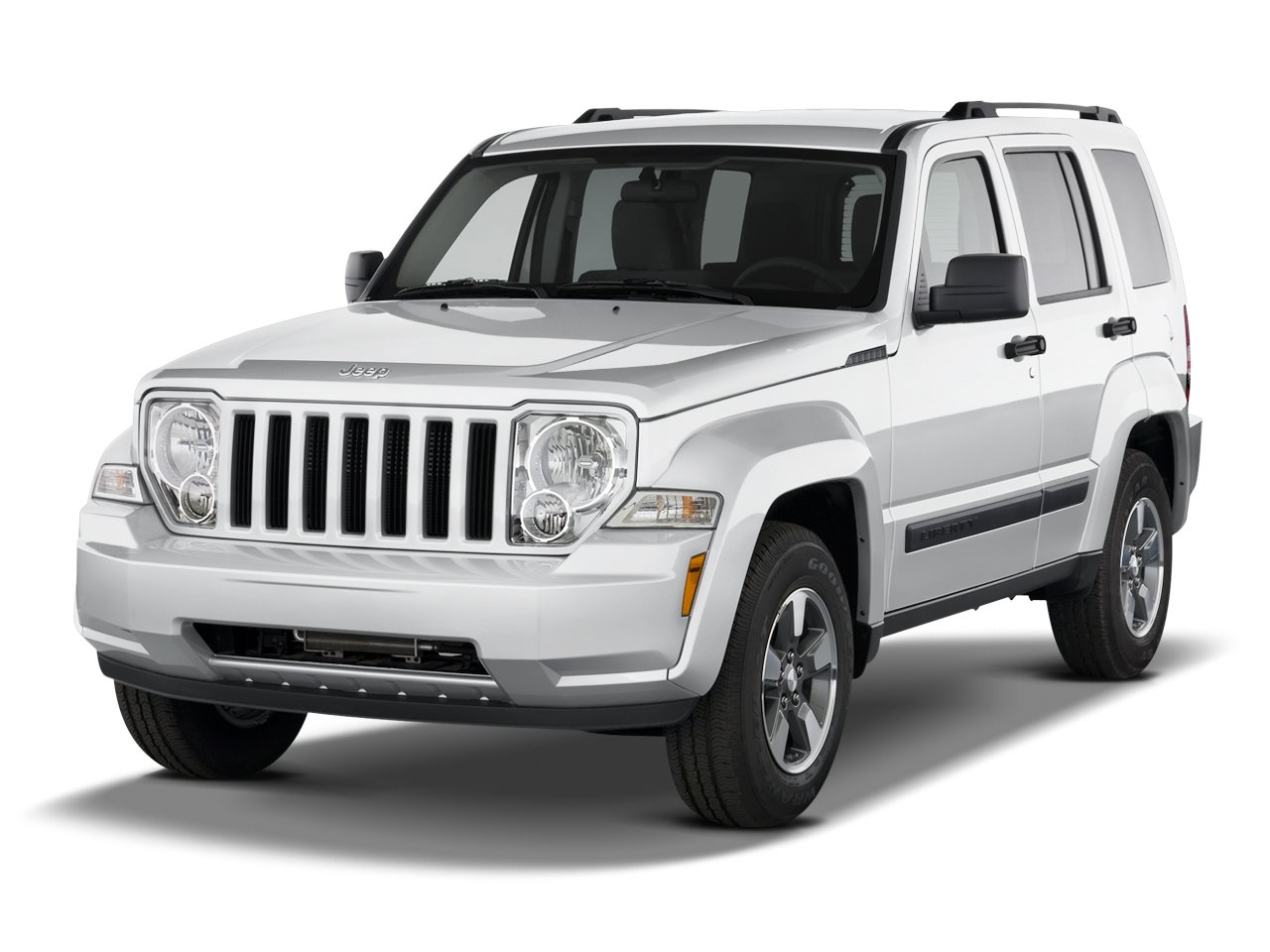
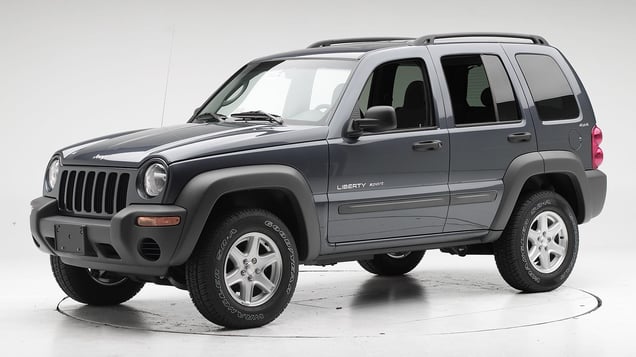
| First (KJ) | 2002–2007 | Boxy design, round headlights, 2.4L I4 & 3.7L V6 |
| Second (KK) | 2008–2012 | Squarer shape, improved interior, only 3.7L V6 |
The first generation featured a more classic Jeep look, with round headlights and a softer, curvy body. The second generation adopted a squarer design with modern touches.
The interior saw updates for better comfort and technology.
How The Jeep Liberty Compares To Other Compact Suvs
Many buyers wondered how the Liberty stacked up against competitors like the Ford Escape, Toyota RAV4, and Honda CR-V. Here’s a quick side-by-side look:
| Model | Engine Options | Max Towing (lbs) | Off-Road Ability |
|---|---|---|---|
| Jeep Liberty | 2.4L I4, 3.7L V6 | 5,000 | Excellent |
| Ford Escape | 2.3L I4, 3.0L V6 | 3,500 | Moderate |
| Toyota RAV4 | 2.4L I4, 3.5L V6 | 3,500 | Low |
| Honda CR-V | 2.4L I4 | 1,500 | Low |
The Liberty stood out for its towing capacity and off-road strength. However, it was less fuel-efficient than most rivals, averaging around 16-22 mpg.
Unique Insights About The Jeep Liberty
Many new buyers overlook some important points:
- The Liberty was the first Jeep to use rack-and-pinion steering, improving handling.
- Diesel versions are rare and prized among off-road fans for their torque and fuel economy.
- Aftermarket support is strong, so owners can easily find parts and upgrades for customization.
Also, the Liberty’s boxy design allowed for more vertical cargo space, making it easier to fit tall items than in sloped-roof SUVs.
Reasons For Its Popularity And Discontinuation
The Liberty became popular for these reasons:
- True 4WD systems, not just “all-wheel-drive” like many rivals.
- Jeep’s reputation for durability and off-road fun.
- Competitive pricing for a rugged SUV.
However, the Liberty was discontinued in 2012. Rising gas prices, changing buyer tastes, and stricter safety rules made smaller, more efficient SUVs more attractive. Jeep replaced the Liberty with the Jeep Cherokee in 2014, which offered better efficiency and more modern features.

Is The Jeep Liberty A Good Used Buy?
If you’re considering a used Liberty, keep these factors in mind:
- Check for rust, especially around the rear suspension.
- Inspect the window regulators, as they’re a common weak point.
- Ask about maintenance records; regular servicing is crucial.
For people who want a true off-roader in a smaller package, the Liberty is often a better value than newer, softer crossovers.