The world of Jeep Wranglers is full of excitement, but it can also be confusing. If you’re wondering about the Jeep JK vs JL, you’re not alone. These are two generations of the iconic Wrangler, and while they look similar, there are important differences. Whether you plan to buy your first Wrangler or just want to learn more, understanding the JK and JL will help you make a better decision. Let’s break down the essentials in clear, simple language.
What Does Jk And Jl Mean?
Jeep uses two-letter codes to describe each generation of Wrangler. The JK is the third generation, sold from 2007 to 2018. The JL is the fourth generation, launched in 2018 and still in production today.
These codes are not just random. They help fans, mechanics, and buyers quickly identify the model. For example, if you see a 2016 Wrangler, that’s a JK. A 2020 Wrangler is a JL.
Key Differences: Jeep Jk Vs Jl
At first glance, both the JK and JL look like classic Wranglers—boxy, tough, and ready for adventure. But several differences set them apart. Here’s a closer look:
| Feature | JK (2007–2018) | JL (2018–Present) |
|---|---|---|
| Headlights | Round, basic halogen | LED option, “halo” design |
| Windshield | Does not fold easily | Folds down with fewer bolts |
| Engines | 3.6L V6 only | 2.0L turbo, 3.6L V6, diesel |
| Transmission | 5-speed auto, 6-speed manual | 8-speed auto, 6-speed manual |
Exterior Style
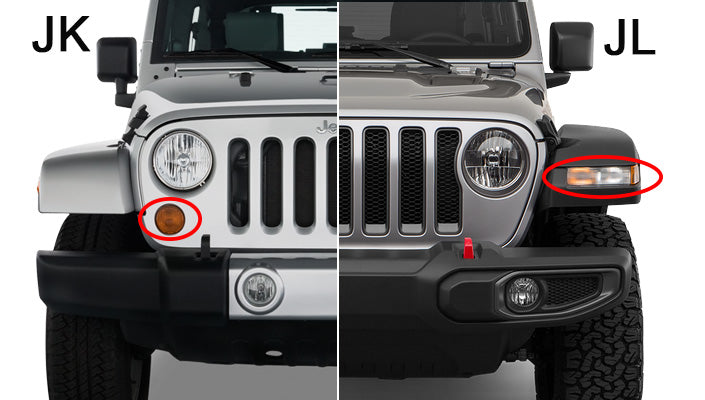
Both models have the classic Jeep look—removable doors, a seven-slot grille, and round headlights. However, the JL’s grille is slightly angled, and the fenders are more sculpted. The JL also offers more color and wheel choices.
Interior Upgrades
The JK’s interior is rugged but simple, with basic controls and hard plastics. The JL steps up with modern technology like push-button start, a larger touchscreen, better materials, and improved seating comfort. Rear passengers in the JL also get more legroom.
Performance And Engines
The JK comes with a single engine option: a 3.6-liter V6 producing 285 horsepower. It’s reliable but not very fuel-efficient.
The JL brings more choice:
- 3.6L V6 (same as JK, but with slight improvements)
- 2.0L turbocharged four-cylinder (270 hp, better torque and fuel economy)
- 3.0L EcoDiesel V6 (high torque, great for towing)
The JL’s 8-speed automatic is smoother and helps with both off-road control and highway driving.

Off-road Capability
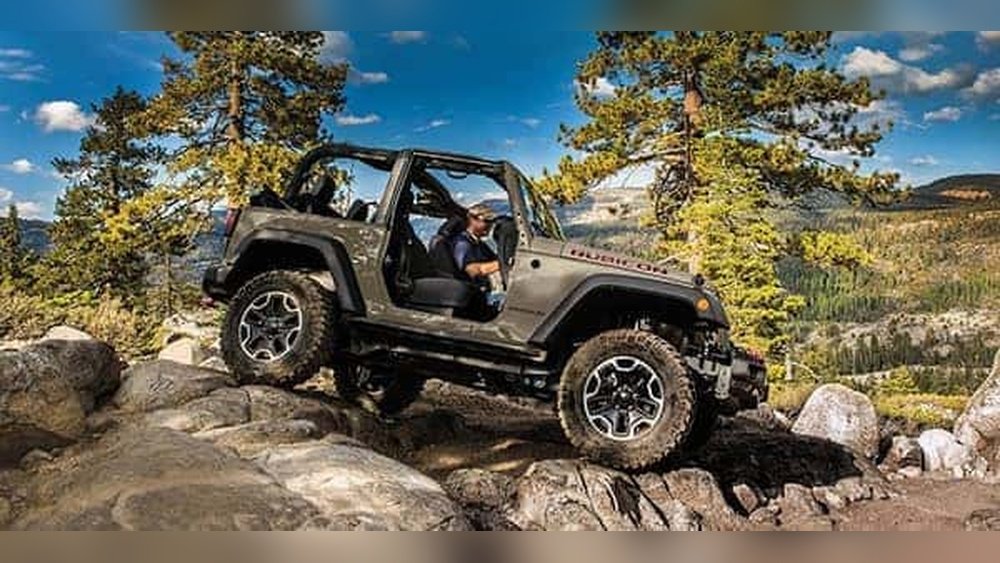
Both the JK and JL are designed for off-road fun, but the JL has some extra tricks.
| Capability | JK | JL |
|---|---|---|
| Ground Clearance | Up to 10 inches | Up to 10.9 inches |
| Water Fording | Up to 30 inches | Up to 30 inches |
| Axle Options | Dana 30/44 | Dana 30/44, upgraded axles |
| Rock-Trac 4×4 | Available on Rubicon | Improved version on Rubicon |
Non-obvious insight: The JL’s lighter body (thanks to some aluminum parts) makes it easier to handle on tough trails, while stronger axles mean fewer worries about breakage during hard use.
Roof And Door Options
One big reason people love Wranglers is the ability to remove the roof and doors. Both JK and JL allow this, but the JL makes it easier. The Freedom Top hardtop in the JL is lighter and comes apart in more sections, so you can open just the front or the whole roof. Soft tops are also simpler and faster to fold back.
The JL introduced the Sky One-Touch Power Top, which lets you open the roof with a button—something not possible on the JK.

Safety And Technology
Safety and tech features changed a lot between generations.
- JK offers basic safety: Airbags, anti-lock brakes, and traction control.
- JL adds more: Blind-spot monitoring, rear cross-traffic alerts, backup camera, and parking sensors.
In-car tech is also much more advanced in the JL. Apple CarPlay, Android Auto, and a larger Uconnect touchscreen are available. The JK’s radio and controls feel old-fashioned compared to the JL.
Price And Value
When buying used, JK models are usually cheaper. You can find a good JK for $18,000 to $30,000, depending on year and trim. JL models, being newer, start around $30,000 and can go much higher for special editions.
The JL costs more, but you get better efficiency, comfort, and tech. If your budget is tight or you want a simple Wrangler, the JK is a great choice.
Non-obvious insight: Aftermarket support is huge for both models, but some JL parts (like advanced electronics) can be pricier to fix or upgrade.
Which Should You Choose?
Choosing between Jeep JK vs JL depends on your needs and budget.
Consider a JK if:
- You want a rugged, classic experience
- Lower price is important
- You plan heavy off-roading and lots of custom mods
Choose a JL if:
- You want modern features and comfort
- Safety is a priority
- You like new tech, or plan to drive a lot on highways
Real-world example: Many off-road clubs still use JKs because they’re simple and easier to repair on the trail. However, families and daily drivers often prefer the JL for its comfort.
For more detailed specs and current models, the official Jeep site offers up-to-date information.
Frequently Asked Questions
What Year Did The Jeep Jl Replace The Jk?
The Jeep JL was released in 2018, replacing the JK, which ended production the same year.
Is The Jl Bigger Than The Jk?
Yes, the JL is slightly longer and wider, giving more space inside, especially for backseat passengers.
Can Jk Parts Fit On A Jl?
Most parts do not interchange because the body, interior, and suspension are different. Some basic accessories, like floor mats, might fit, but always check before buying.
Which Model Is Better For Off-roading?
Both are strong off-road, but the JL has better ground clearance, improved suspension, and stronger axles. However, the JK is easier to fix in remote areas due to simpler electronics.
Are Jk And Jl Fuel Economy Different?
Yes. The JL’s newer engines and transmissions offer better fuel economy, especially with the 2.0L turbo or diesel options, compared to the JK’s older V6.
Choosing between the Jeep JK and JL is not just about age or price—it’s about what fits your driving style. Both are great Wranglers with their own strengths, so you can’t go wrong if you know what you need.