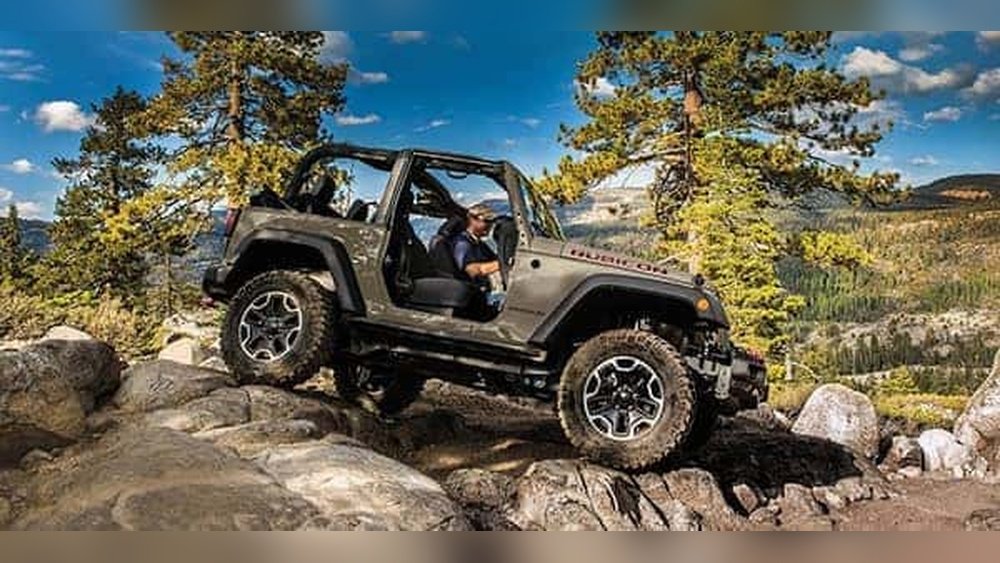
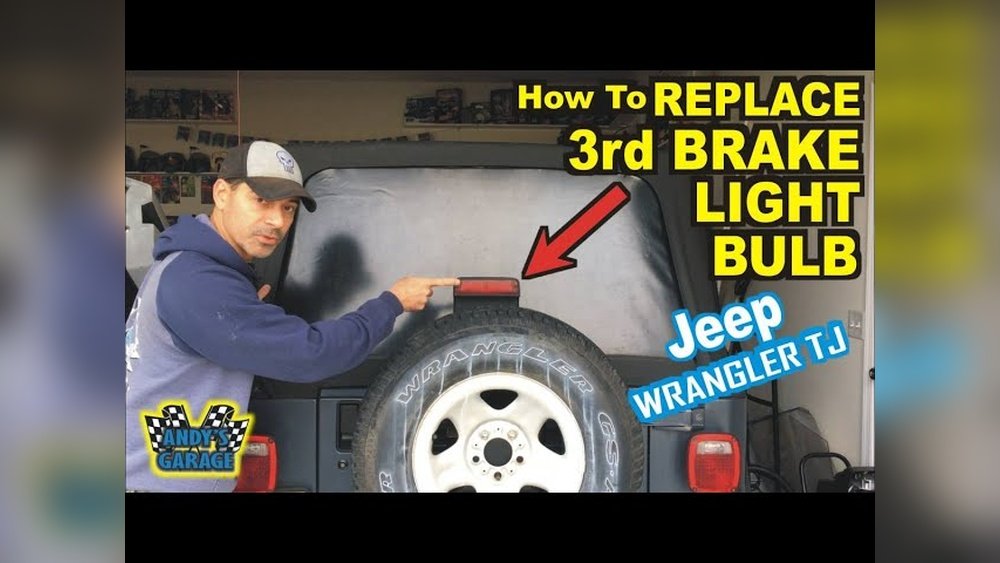
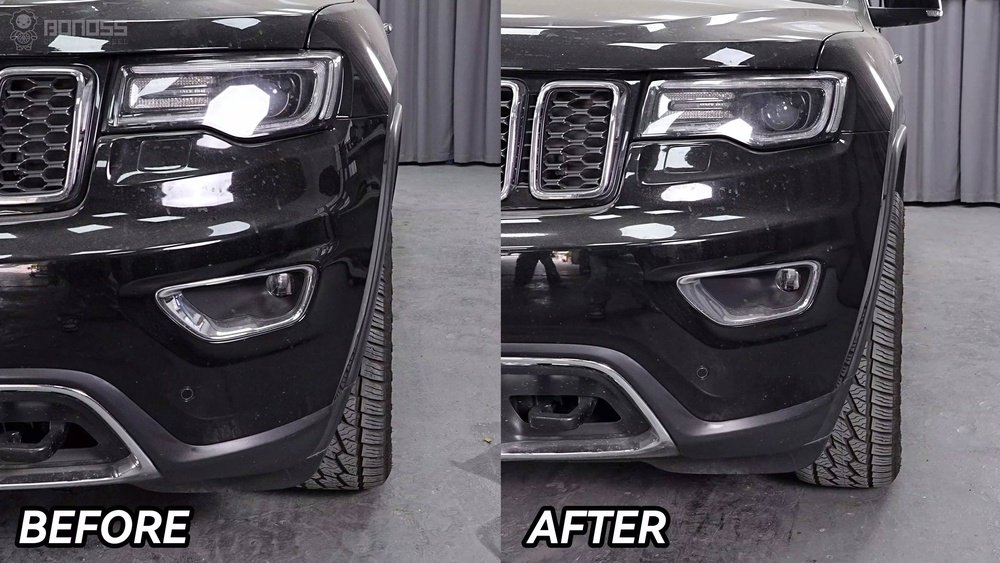
The Jeep Wrangler is famous for its rugged design, off-road ability, and strong community. But if you are shopping for a used Wrangler or looking to upgrade, you will see two main models: the Jeep JK and the Jeep JL. Many people wonder what makes these two generations different. Choosing the right model can affect your driving experience, comfort, and even your wallet. In this article, we will explain the key differences between the Jeep JK and JL, so you can make an informed decision.
Jeep Jk Vs Jl: Basic Overview
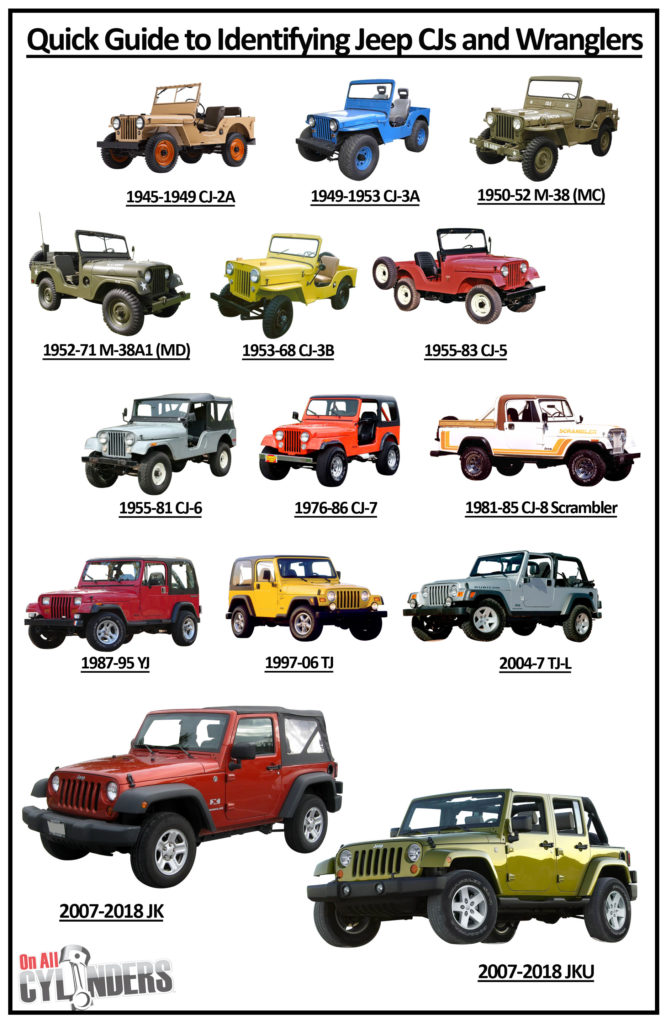
The Jeep JK was produced from 2007 to 2018. The Jeep JL replaced it in 2018 and is still in production today. Both are part of the Wrangler family, but the JL brings many improvements over the JK. The changes are not just cosmetic; they affect performance, features, and daily usability.
Production Years
- JK: 2007–2018
- JL: 2018–Present
Body Styles
Both models come in two-door and four-door (Unlimited) versions. The JL’s body is a bit lighter, helping fuel efficiency and handling.
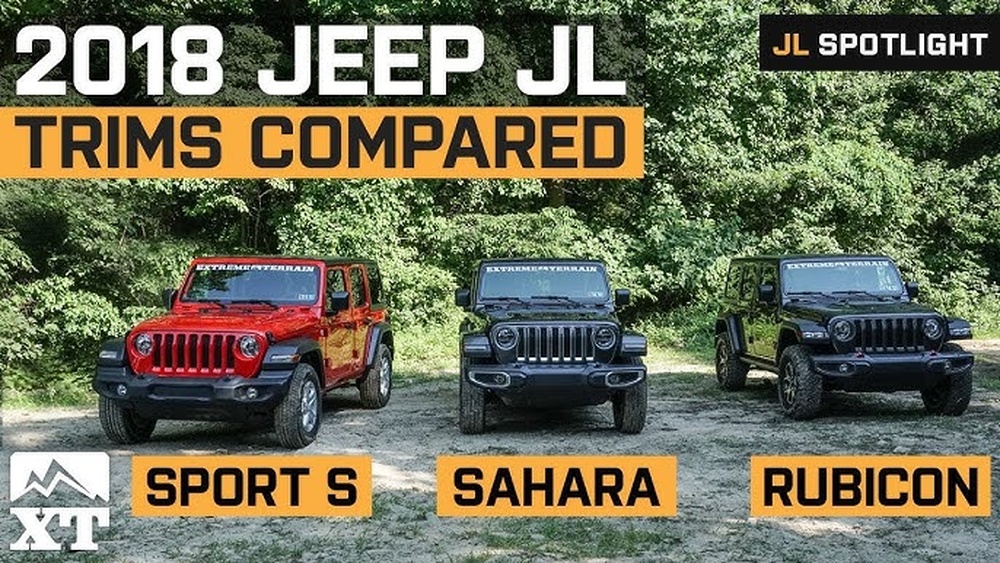
Key Differences Explained
Exterior Changes
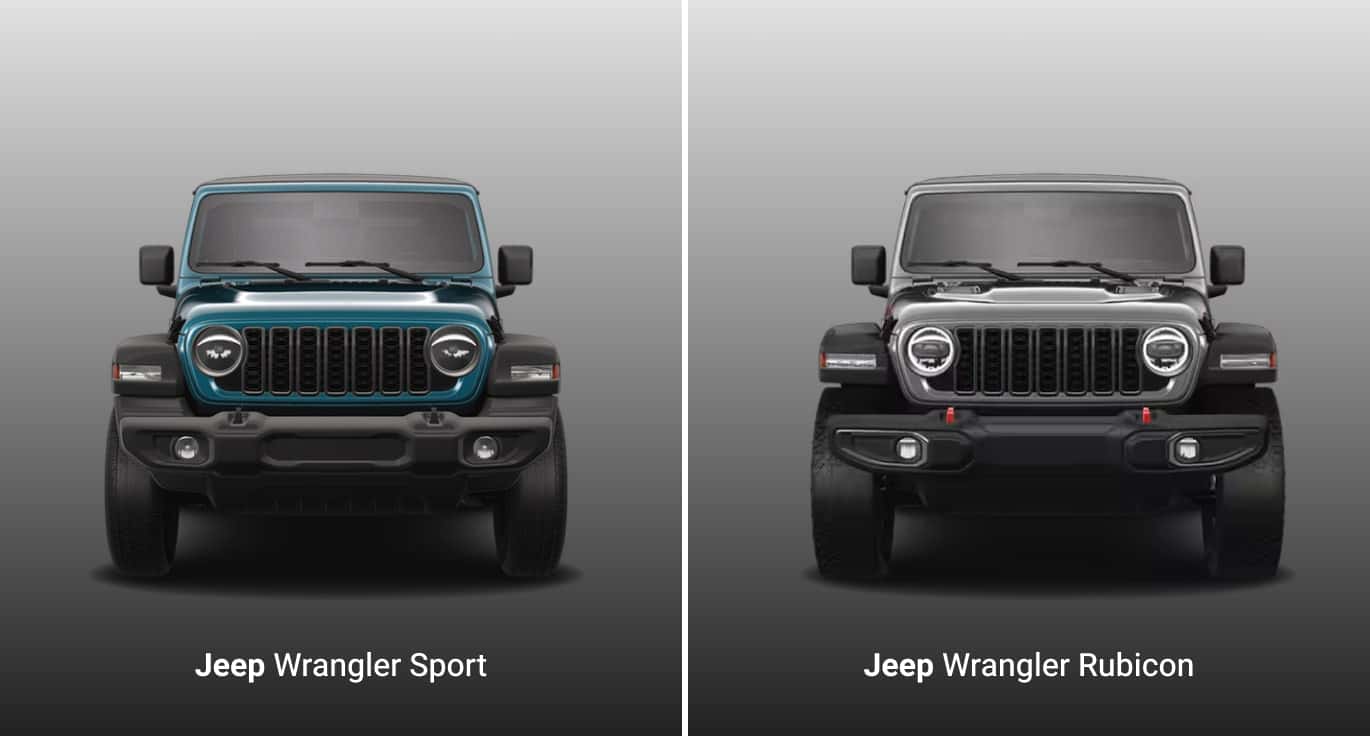
The JL looks similar to the JK, but there are important changes:
- The JL’s fenders are higher, allowing bigger tires without extra modifications.
- The front grille is slightly angled for better aerodynamics.
- The JL’s headlights now have built-in LED daytime running lights (on higher trims), while JK uses traditional halogen bulbs.
Interior And Comfort
The JL offers a more modern, comfortable interior:
- Softer materials and improved seats in the JL make long drives easier.
- The JL features a larger touchscreen display (up to 8.4 inches in higher trims) with Apple CarPlay and Android Auto. The JK has a smaller, simpler radio.
- JL offers more USB ports and charging options for devices.
Engine And Performance
The JK uses two main engines:
- 3.8L V6 (2007–2011)
- 3.6L Pentastar V6 (2012–2018)
The JL offers more options:
- 3.6L Pentastar V6 (with start-stop technology)
- 2.0L turbocharged 4-cylinder
- 3.0L EcoDiesel V6 (for some trims)
The JL’s engines are more efficient, with better fuel economy and lower emissions.
Engine Comparison
| Model | Main Engines | Horsepower | Fuel Economy (mpg) |
|---|---|---|---|
| JK | 3.8L V6, 3.6L V6 | 202–285 | 16–21 |
| JL | 3.6L V6, 2.0L Turbo, 3.0L Diesel | 270–285 | 18–29 |
Transmission
JK Wranglers come with a 6-speed manual or a 5-speed automatic. The JL uses a 6-speed manual or an updated 8-speed automatic, which shifts smoother and helps with fuel efficiency.
Suspension And Ride Quality
The JL’s suspension is re-tuned for a more comfortable ride, both on and off-road. The steering is more precise, reducing the “wandering” feeling common in the JK.
Doors, Roof, And Windshield
Removing doors and roof panels is easier on the JL. The JL’s windshield folds down with fewer bolts, making it faster to convert for trail driving.
Roof And Door Comparison
| Feature | JK | JL |
|---|---|---|
| Door Removal | Manual, more tools needed | Quicker, fewer bolts |
| Roof Options | Hardtop, Soft Top | Hardtop, Soft Top, Sky One-Touch Power Top |
| Windshield Folding | Time-consuming | Simplified, quicker |
Technology And Safety
The JL brings modern tech and safety features:
- Blind spot monitoring
- Rearview camera (JL standard; JK optional only late years)
- Parking sensors
- Advanced cruise control
The JK lacks most of these features, making the JL safer and more user-friendly.
Off-road Capability
Both JK and JL are strong off-road, but JL has some advantages:
- JL’s axles are stronger and offer better articulation.
- JL comes with extra off-road options like electronic sway bar disconnect (Rubicon trim).
- Water fording depth is slightly improved in JL.
Off-road Features Comparison
| Feature | JK | JL |
|---|---|---|
| Locking Differentials | Rubicon only | Rubicon, wider availability |
| Sway Bar Disconnect | Manual | Electronic |
| Fording Depth (inches) | 30 | 32.5 |

Price And Value
The JK is usually cheaper on the used market, but lacks many of the JL’s upgrades. The JL costs more, but offers better safety, comfort, and resale value. If you want a budget-friendly Wrangler, the JK is a solid choice.
If you prefer modern features and plan to keep your vehicle longer, the JL is worth the extra investment.
Two Non-obvious Insights
- Many buyers overlook the JL’s advanced electrical system. It supports more accessories and aftermarket add-ons without draining the battery—helpful for serious off-roaders.
- The JL’s improved frame strength means it can handle heavier towing loads. If you tow trailers or boats, this is a big advantage.
Which Should You Choose?
If you value classic style, lower price, and simple mechanics, the Jeep JK is a good fit. If you want a modern driving experience, extra safety, and smoother performance, the Jeep JL is the better choice. Think about how you will use your Wrangler—daily driving, off-roading, or family trips—to pick the right model.
For more technical specs and history, you can visit the official Jeep Wrangler page.
Frequently Asked Questions
What Does Jk And Jl Stand For?
JK and JL are Jeep’s internal codes for different Wrangler generations. JK covers 2007–2018 models, while JL is 2018 and newer. They do not stand for specific words.
Are Jl Wranglers More Fuel Efficient Than Jk?
Yes. The JL’s newer engines and 8-speed automatic transmission provide better fuel economy, especially with the 2. 0L turbo and 3. 0L diesel options.
Can Jk Parts Fit On A Jl?
Most parts, like bumpers and suspension, do not fit directly because the JL’s frame and body are redesigned. Some accessories are compatible, but check fitment before buying.
Is The Jl More Comfortable For Daily Driving?
Absolutely. The JL’s softer seats, quieter cabin, and improved technology make it more pleasant for long trips and city driving compared to the JK.
Which Model Is Better For Off-roading?
Both are strong off-road, but the JL has extra features like electronic sway bar disconnect and stronger axles. It handles rough terrain with more confidence, especially in Rubicon trims.
The Jeep JK and JL both have their strengths. Understanding their key differences helps you choose the Wrangler that fits your needs, budget, and lifestyle. Whether you want classic simplicity or modern comfort, there’s a Wrangler for you.