A Jeep carrier is a term that can confuse many people, especially those new to the world of cars or military vehicles.
It doesn’t refer to a specific Jeep model but rather to a type of vehicle or accessory used for carrying Jeeps or supporting their transportation.
This article will help you understand exactly what a Jeep carrier is, the different kinds available, how they are used, and what you need to know before choosing one.

What Is A Jeep Carrier?
The word Jeep carrier can mean two main things:
- A vehicle designed to transport Jeeps, especially during wartime.
- An accessory or trailer made for carrying a Jeep behind another vehicle.
Both types play important roles in logistics and off-road adventures. Let’s look at each in detail.
Jeep Carrier As A Military Vehicle
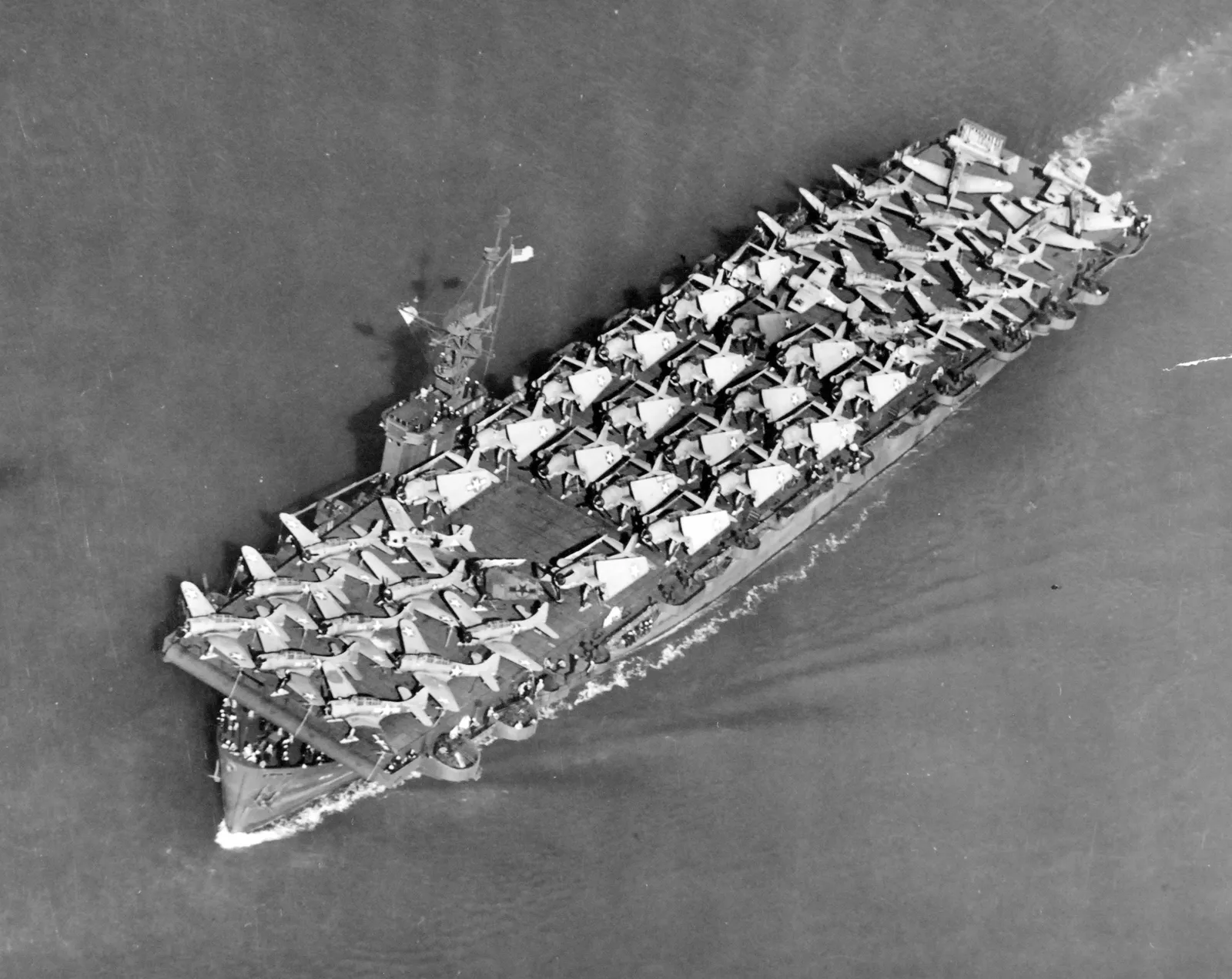
During World War II, the United States needed to move Jeep vehicles quickly and safely across long distances. Large ships called Jeep carriers were built to carry hundreds of Jeeps at a time. These ships were not just for Jeeps; they also transported tanks, trucks, and other military gear.
For example, the Jeep carrier ships could carry up to 200 Jeeps per trip. They had ramps, cranes, and special decks for easy loading and unloading. These carriers made military operations faster and more efficient.
Jeep Carrier As A Trailer Or Rack
In civilian life, a Jeep carrier usually means a trailer or a roof rack designed for carrying a Jeep. Some people use heavy-duty trailers to tow their Jeep behind an RV or truck. Others install roof racks to carry extra gear, like bikes, kayaks, or spare tires, when driving their Jeep.
The main types of Jeep carriers for personal use are:
- Flatbed trailers: Used to tow a Jeep behind another vehicle.
- Tow dollies: Carry only the front wheels of the Jeep.
- Roof racks: Help carry cargo on top of a Jeep.
Types Of Jeep Carriers
Understanding the different types helps you choose the right one. Here are the most common options:
| Type | Main Use | Capacity |
|---|---|---|
| Military Carrier Ship | Transporting Jeeps overseas | 150-200 Jeeps |
| Flatbed Trailer | Towing Jeeps | 1 Jeep |
| Tow Dolly | Partial Jeep transport | 1 Jeep (front wheels only) |
| Roof Rack | Carrying gear | Up to 200 lbs |
Flatbed Trailers
These are the safest and most stable way to transport a Jeep. They are made from strong steel or aluminum and can support the full weight of the vehicle.
Tow Dollies
A tow dolly lifts the front wheels and lets the back wheels roll. It’s lighter and cheaper than a full trailer but not suitable for all Jeep models.
Always check your Jeep’s transmission before using a dolly.
Roof Racks
Roof racks are not meant to carry a whole Jeep, but they let you carry extra gear during road trips or off-road adventures. The average roof rack can hold up to 200 pounds of cargo.

How To Choose The Right Jeep Carrier
Selecting the best Jeep carrier depends on your needs, vehicle type, and budget. Here are some important factors to consider:
| Factor | Why It Matters |
|---|---|
| Weight Capacity | Ensures safe transport without damage |
| Vehicle Compatibility | Fits your Jeep model and towing vehicle |
| Budget | Prices range from $200 for roof racks to $3,000 for trailers |
| Ease of Use | Loading ramps, security features, and installation complexity |
Non-obvious Insights
- Insurance coverage: Many people forget that towing or carrying a Jeep may require special insurance. Always check with your provider before buying a carrier.
- Legal limits: In some states, there are strict rules about towing weight and trailer length. Ignoring these can lead to fines or accidents.
Real-world Examples
Imagine you are planning a cross-country trip with your Jeep. If you want to take your Jeep for off-road adventures but drive the main highways with your RV, a flatbed trailer is ideal. You can load your Jeep, secure it, and tow it safely.
For shorter trips or camping, a roof rack lets you carry extra supplies without taking up space inside the Jeep. Many off-road enthusiasts use racks to bring tents, fuel, and food.
Military Jeep carriers were key in history. For example, during the Normandy landings in 1944, hundreds of Jeeps were shipped to Europe using carrier ships, helping soldiers move quickly after landing.
Common Mistakes When Using Jeep Carriers
- Overloading: Many people put too much weight on their carrier, risking damage or accidents.
- Ignoring compatibility: Not all carriers fit every Jeep. Always check specs.
- Skipping safety checks: Some beginners forget to secure their Jeep properly, which can cause it to shift or fall during transport.
Maintenance And Safety Tips
To keep your Jeep carrier in good condition:
- Inspect all parts before every trip.
- Clean ramps and surfaces to prevent slipping.
- Check tire pressure and brakes on trailers.
- Use proper tie-downs and straps.
Safety is always more important than speed. Take your time when loading and unloading.
Cost And Availability
Jeep carriers vary widely in price. Here are average costs:
- Roof racks: $200–$600
- Tow dollies: $800–$1,500
- Flatbed trailers: $2,000–$3,500
You can find these carriers at car accessory shops, online stores, and specialized dealers. For military Jeep carriers, information is available through historical sources like Wikipedia.
Frequently Asked Questions
What Is The Weight Limit For A Jeep Carrier?
Most flatbed trailers can carry up to 4,000 pounds, enough for most Jeep models. Always check the specific limit for your carrier.
Can I Use Any Trailer To Carry My Jeep?
No, the trailer must match your Jeep’s size and weight. Using the wrong trailer can cause safety problems or damage.
Are Jeep Carriers Legal Everywhere?
Laws about Jeep carriers and towing vary by state. Always check local regulations before traveling.
How Do I Secure My Jeep On A Carrier?
Use heavy-duty straps, tie-downs, and wheel chocks. Make sure everything is tight and double-check before driving.
Can I Carry A Jeep On A Roof Rack?
No. Roof racks are for gear, not vehicles. Carrying a Jeep on a roof rack is unsafe and impossible.
A Jeep carrier is more than just a tool it’s a solution for moving your Jeep safely and efficiently. Whether you’re planning an adventure or need to transport Jeeps for work, understanding the types, uses, and safety tips will make your experience smoother.
Choose carefully, follow safety rules, and your Jeep will always be ready for the road ahead.