What Is A Footman Loop On A Jeep
For Jeep owners and off-road enthusiasts, many small parts on their vehicles have unique roles. One of those is the footman loop—a simple but important hardware piece that often goes unnoticed.
But what exactly is a footman loop on a Jeep, and why should you care? This guide explains its function, placement, and practical uses, helping you get the most from your Jeep.
Understanding The Footman Loop
A footman loop is a small, metal bracket shaped like a raised loop or horseshoe. It is usually attached to the body of a Jeep, either on the hood, tailgate, or other strategic locations. The footman loop’s main job is to serve as an anchor point for securing ropes, straps, or other tie-downs.
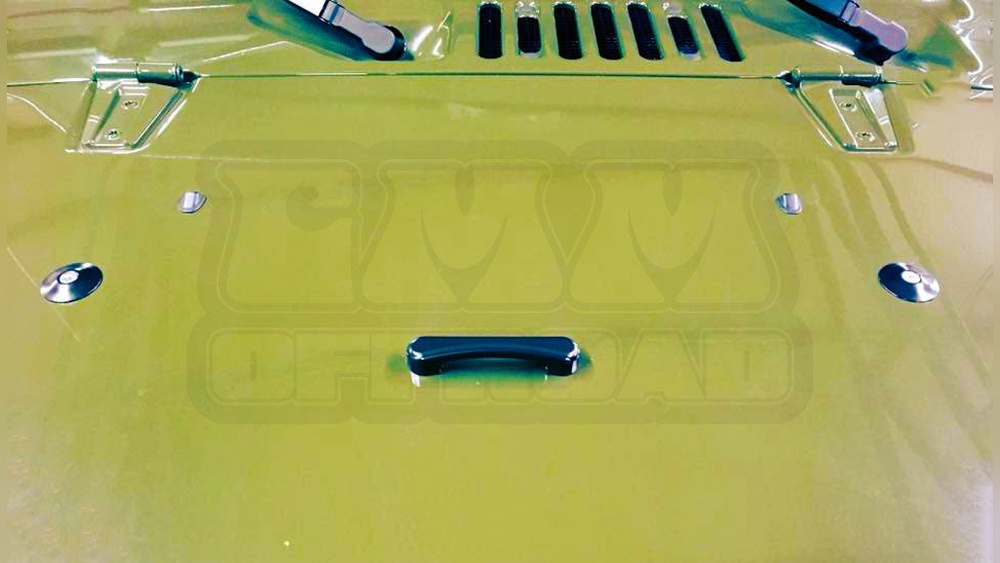
Most Jeep models, especially classic and Wrangler models, include at least one footman loop. Over the years, their position and use have adapted, but the basic design has remained unchanged due to its effectiveness.
Where You’ll Find Footman Loops On A Jeep
On many Jeeps, you can spot a footman loop on the center of the hood, just above the grille. Others may have one on the tailgate or inside the cargo area. Here’s a quick look at common placements:
| Jeep Model | Footman Loop Location | Common Use |
|---|---|---|
| Wrangler YJ/TJ | Hood center, tailgate | Securing soft top, tying gear |
| CJ Series | Hood, rear cargo area | Soft top straps, cargo tie-down |
| Wrangler JK/JL | Hood, rear door | Light bar wires, gear straps |
Not every modern Jeep comes with a factory-installed footman loop, but many owners add aftermarket loops for utility.
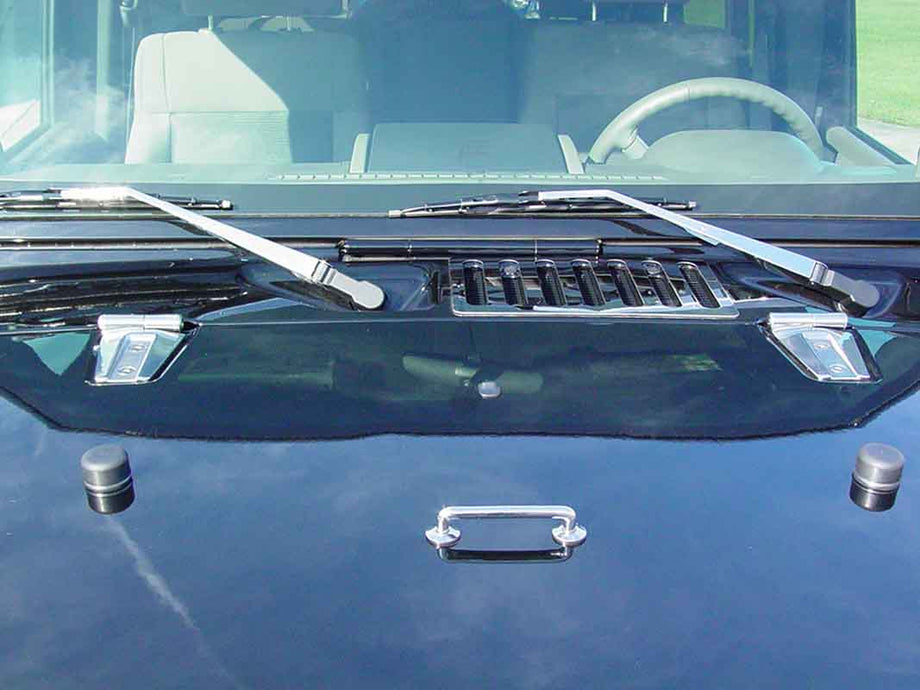
Main Functions And Practical Uses
The footman loop is more versatile than it seems. Its main purpose on older Jeeps was to help tie down the soft top when it was folded back. Today, owners use it for:
- Securing equipment: Tie down shovels, axes, or camping gear using bungee cords or straps.
- Soft top management: Hold straps or cords that keep the soft top in place.
- Cable routing: Run wires for off-road lights or antennas neatly and securely.
- Locking hood accessories: Some use it as an anchor point for hood locks or external latches.
A common mistake is assuming that footman loops are only for cosmetic purposes. In reality, they’re built to handle real stress and provide flexible anchoring options.
Footman Loop Vs. Other Jeep Hardware
It’s easy to confuse a footman loop with other Jeep hardware like D-rings, tow hooks, or tie-down anchors. Here’s how they compare:
| Feature | Footman Loop | D-Ring | Tie-Down Anchor |
|---|---|---|---|
| Shape | Raised, open loop | Closed ring | Flat or recessed ring |
| Main Use | Strap/cord anchor | Heavy pulling/towing | Cargo securing |
| Strength | Light/medium duty | Heavy duty | Medium/heavy duty |
The footman loop is not designed for vehicle recovery or towing. Instead, use it for lighter tasks like securing gear or soft tops.
Installation And Replacement Tips
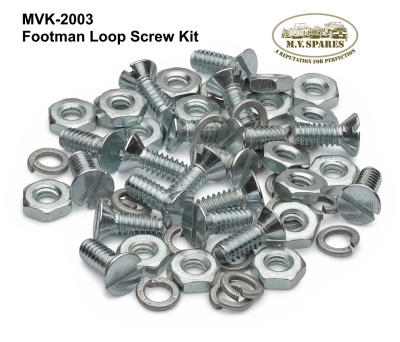
Adding or replacing a footman loop is simple, even for beginners. Most use just two screws or bolts. Here are the basic steps:
- Mark the desired location, making sure it’s on a flat, strong surface.
- Drill small pilot holes if needed.
- Place the footman loop and align the holes.
- Insert screws or bolts, tighten securely.
Be careful not to overtighten and strip the threads. Use stainless steel hardware for rust resistance, especially if you drive in wet or salty conditions.
Real-world Examples
Many Jeep owners share creative uses for their footman loops. For instance, some use them to secure kayak paddles or fishing rods on roof racks. Others attach custom straps for quick-release fire extinguishers. In overlanding setups, footman loops help keep solar panels and extra fuel cans tied down.
One less obvious insight: footman loops can also serve as mounting points for GoPro cameras or CB radio microphones during off-road adventures. Most beginners don’t realize how easy it is to attach small accessories using standard carabiners or Velcro straps.
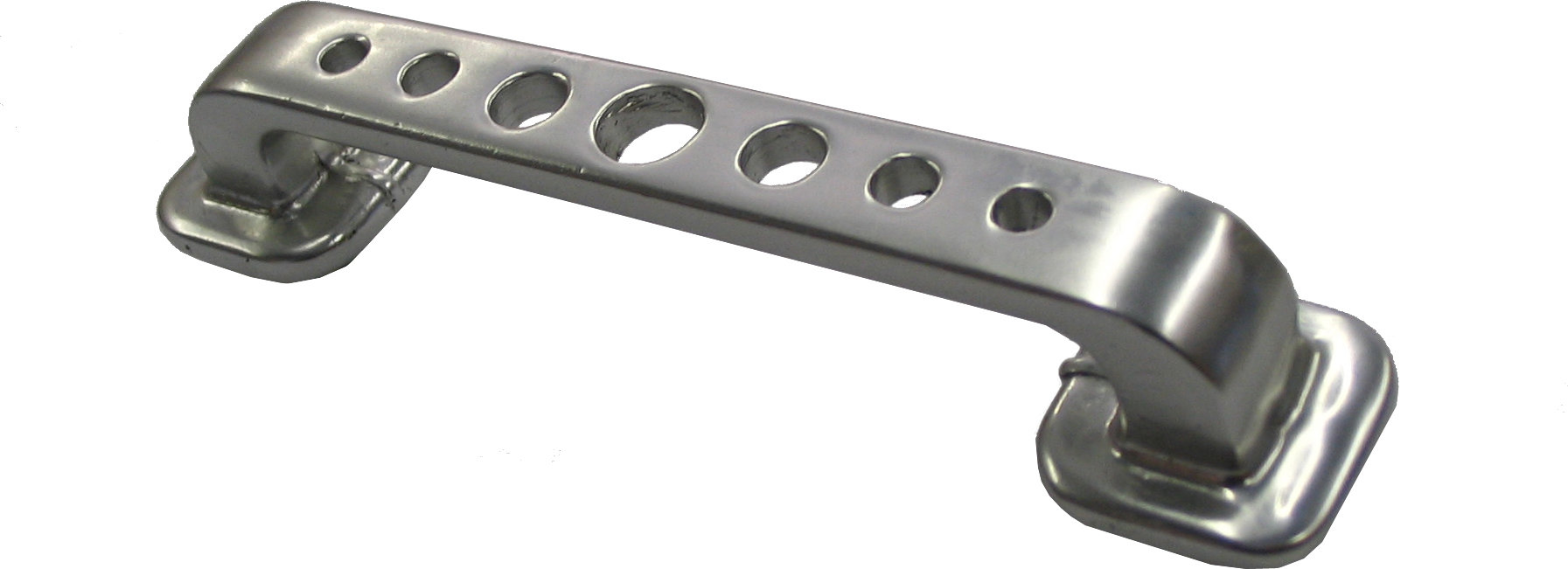
Choosing The Right Footman Loop
When buying a replacement or extra footman loop, look for:
- Material: Stainless steel or powder-coated steel lasts longer.
- Size: Match the original, or choose larger loops for bigger straps.
- Mounting hardware: Make sure screws or bolts fit your Jeep’s threading.
Don’t forget to check the weight rating if you plan to secure heavier items.
Footman Loops And Jeep History
The footman loop has been part of Jeep design since the military Willys MB models of World War II. Back then, they were used to tie down canvas tops and gear. This small detail shows Jeep’s focus on utility and adaptability—a tradition that continues today.
For those interested in Jeep’s evolution, the footman loop is a great example of how even basic parts can have a long, practical legacy. If you want to explore more about classic Jeep hardware, you can visit the Jeep Wrangler Wikipedia page.
Frequently Asked Questions
What Is A Footman Loop Used For On A Jeep?
A footman loop is mainly used as an anchor point for straps, cords, or bungee ties. On Jeeps, it helps secure the soft top, gear, or manage cables on the hood or tailgate.
Is A Footman Loop Strong Enough For Towing?
No, a footman loop is not designed for towing or heavy recovery. It’s meant for light-duty tasks like holding down equipment or soft top straps. Use proper tow hooks or D-rings for recovery.
Can I Install A Footman Loop Myself?
Yes, installing a footman loop is a straightforward DIY job. You only need basic tools like a drill and screwdriver. Always check the surface and use rust-resistant hardware.
Are Footman Loops Standard On All Jeeps?
Not all modern Jeeps come with factory-installed footman loops, especially newer models. However, many owners add aftermarket loops for extra utility.
What Size Strap Fits Through A Jeep Footman Loop?
Most footman loops can accommodate straps up to 1 inch wide. For larger straps, look for heavy-duty or oversized footman loops designed for thicker materials.
A footman loop may look simple, but it’s a classic Jeep detail with real benefits for practical owners. With a little creativity, this small part can make your off-road adventures easier and more organized.