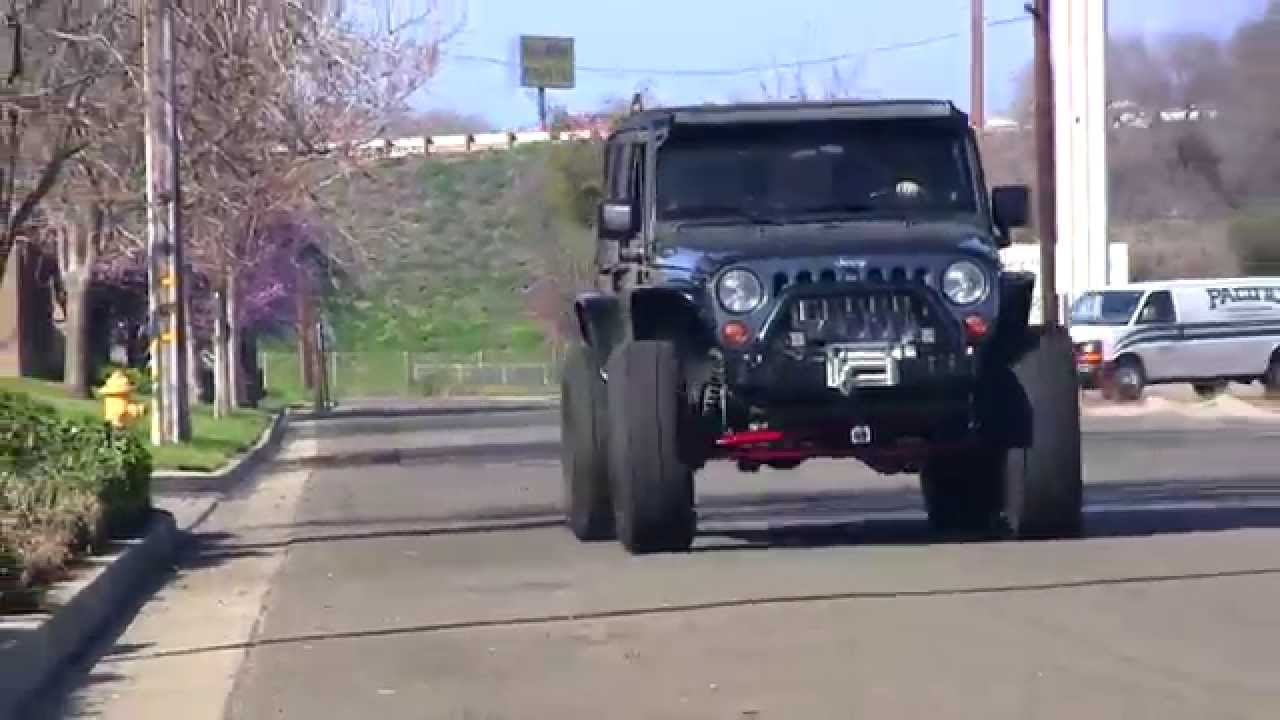
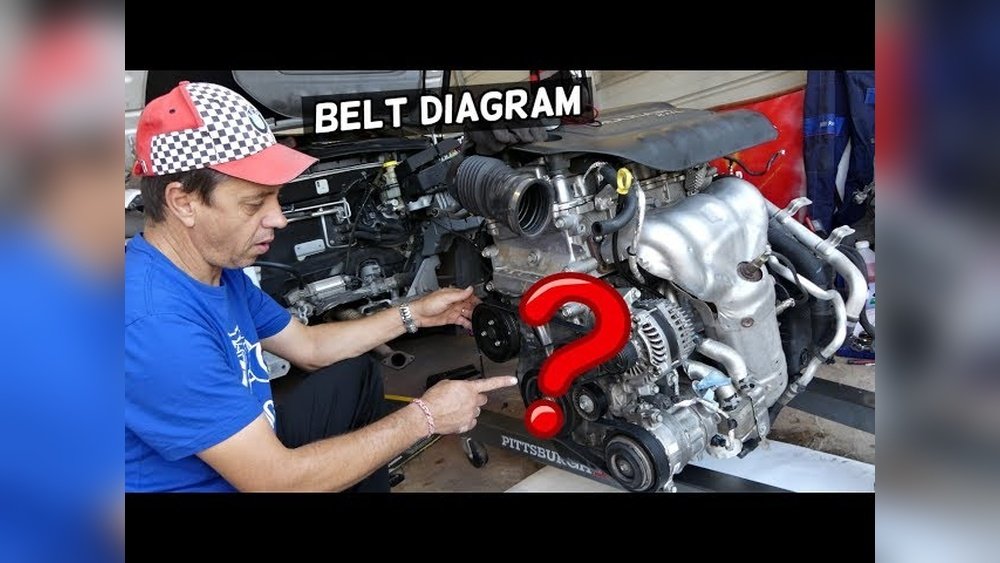
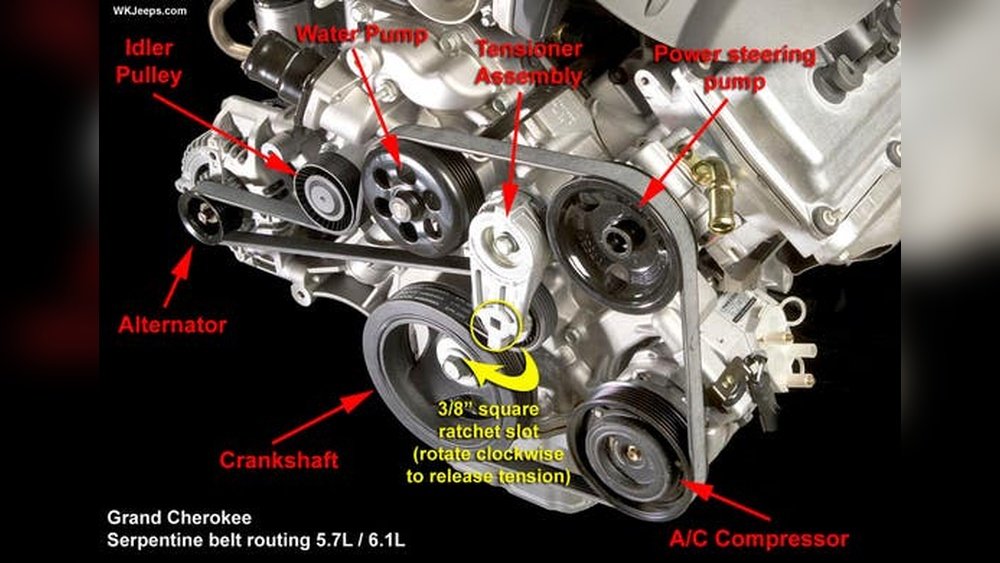
If you drive a Jeep Wrangler, you may have heard stories about something called the “death wobble.” The name alone can make any driver nervous. But what exactly is it, why does it happen, and what should you do if you experience it? This article explains everything you need to know about the death wobble in Jeep Wranglers, using simple language and helpful examples.
What Is A Death Wobble In A Jeep Wrangler?
The death wobble is a violent shaking or oscillation of the front wheels and steering wheel. It usually happens when you drive over a bump or pothole at highway speed. The shaking is so strong that it can feel like your Jeep is going to fall apart.
This problem is not only scary, but it can also make you lose control of your vehicle. The steering wheel shakes left and right very quickly.
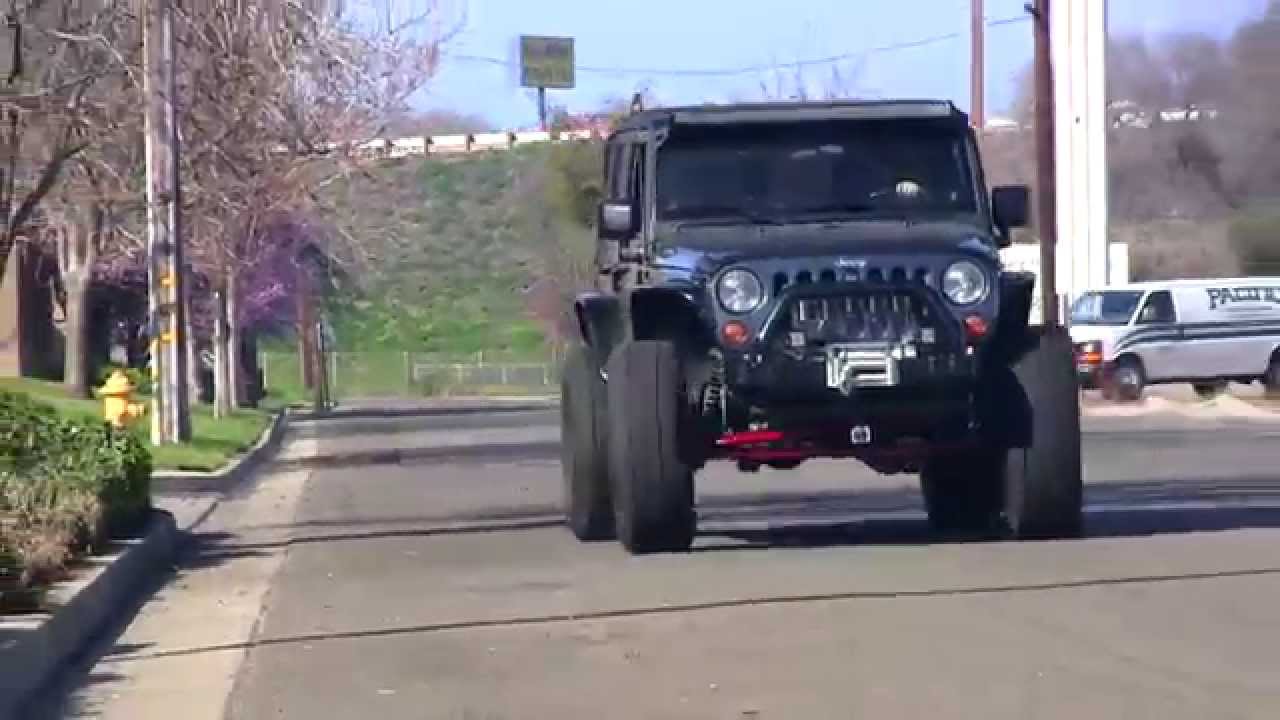
Sometimes, the only way to stop the wobble is to slow down or stop the Jeep completely.
Why Does Death Wobble Happen?
The death wobble is not a random event. It happens because of problems in the front suspension or steering components. Some common causes include:
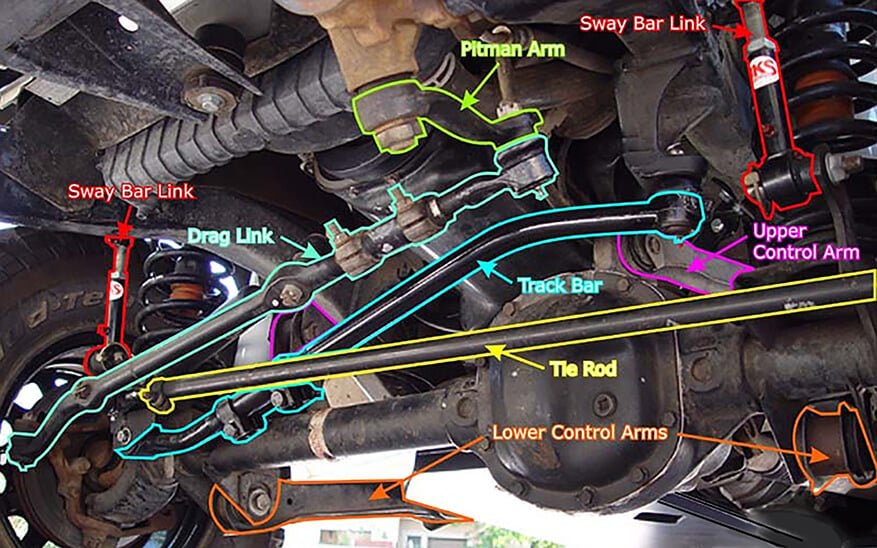
- Worn or loose track bar bushings – The track bar keeps your axle centered. If its bushings are worn, it can move too much.
- Bad ball joints or tie rod ends – These parts connect your steering and suspension. When they are loose, the wheels can shake.
- Bent or damaged wheels – If your wheels are not straight, they can trigger wobble at high speeds.
- Unbalanced tires – Tires that are not balanced spin unevenly, causing vibrations.
- Improper alignment – If your wheels do not point straight ahead, the suspension can vibrate.
Here’s a quick look at the most common causes:
| Cause | How it Leads to Wobble |
|---|---|
| Worn Track Bar Bushings | Allows excessive side-to-side movement |
| Loose Tie Rod Ends | Steering becomes unstable |
| Unbalanced Tires | Creates vibration at higher speeds |
A small issue in one part can quickly affect the rest of the suspension. That’s why finding the real cause often needs a close inspection.

Which Jeep Wranglers Are Most At Risk?
While any solid axle Jeep can develop the death wobble, it is most common in the following models:
- Jeep Wrangler TJ (1997–2006)
- Jeep Wrangler JK (2007–2018)
- Jeep Wrangler JL (2018–present)
The problem is not limited to old Jeeps. Even new Wranglers can have death wobble if parts are loose or worn.
Adding a suspension lift or larger tires increases the risk.
Let’s compare the risk levels:
| Wrangler Model | Death Wobble Risk | Common Aftermarket Mods |
|---|---|---|
| TJ (1997-2006) | High | Lift kits, big tires |
| JK (2007-2018) | High | Lift kits, off-road upgrades |
| JL (2018+) | Medium | Big tires, wheel spacers |
Lifting your Jeep or adding off-road parts can put extra stress on suspension components. That’s why owners who modify their Wranglers should check their parts more often.
How To Fix And Prevent Death Wobble
Solving death wobble is not just about replacing one part. You need to inspect and repair the whole steering and suspension system. Here are the steps:
- Inspect track bar bushings and bolts. Replace if worn or loose.
- Check ball joints and tie rod ends. Replace any with play or damage.
- Balance your tires. Unbalanced tires often trigger wobble.
- Check wheel alignment. Make sure the wheels point straight.
- Tighten all suspension bolts. Even a slightly loose bolt can cause wobble.
- Replace worn steering stabilizer. While not the root cause, a weak stabilizer makes wobble worse.
Here’s a simple comparison of professional repair vs. DIY:
| Method | Pros | Cons |
|---|---|---|
| Professional Repair | Expert diagnosis, warranty | More expensive |
| DIY | Cheaper, learn about your Jeep | Can miss hidden issues |
If you are not sure about your mechanical skills, it’s safer to have a certified mechanic check your Jeep.
Pro tip: Even brand-new Jeeps can develop death wobble if bolts are not torqued properly after off-roading or tire changes.
Is Death Wobble Dangerous?
Yes, death wobble is serious. The shaking can be so violent that it makes your Jeep hard to control, especially at high speed.
While most drivers can slow down and regain control, there are reports of accidents caused by death wobble.
If you ever feel the steering wheel shaking violently, slow down carefully and pull over. Do not try to “drive through it.
” Ignoring the problem can damage your suspension and make things worse.
What Should You Do If You Experience Death Wobble?
- Stay calm. Grip the steering wheel firmly.
- Slow down. Remove your foot from the gas and gently apply the brakes.
- Pull over safely. Stop and inspect your Jeep for loose or broken parts.
- Drive slowly to a repair shop. Avoid highways until you fix the problem.
Many drivers make the mistake of replacing only the steering stabilizer. This part helps, but it is not the main cause. Always check all suspension and steering parts.
Real-world Example
A 2015 Jeep Wrangler owner reported that after installing larger tires, the vehicle began to shake badly at 55 mph. The death wobble stopped only after replacing the track bar bushings and rebalancing the tires.
This shows how even small upgrades can trigger the problem if other parts are already worn.
Frequently Asked Questions
What Is The First Thing To Check For Death Wobble?
The first thing to check is the track bar and its bushings. This part is often the main cause when it is loose or worn.
Can Death Wobble Happen On Other Vehicles?
Yes, but it is most common in vehicles with solid front axles, like Jeep Wranglers and some trucks.
Will A Steering Stabilizer Fix Death Wobble?
A steering stabilizer may reduce the shaking, but it does not fix the root cause. You must repair worn or loose suspension parts.
How Much Does It Cost To Fix Death Wobble?
Costs vary. Simple fixes like tightening bolts are cheap, but replacing parts can cost $200 $800 or more, depending on what is needed.
Is Death Wobble Covered Under Warranty?
It can be, especially for newer Jeeps. Check with your dealer or see the official NHTSA database for recalls and technical service bulletins.
Death wobble is a real problem for many Jeep Wrangler owners, but it is not a mystery. With regular checks and careful maintenance, you can keep your Jeep safe and enjoy the road with confidence.