If you drive a Jeep Grand Cherokee, you might have seen the “4WD Low” setting on the control panel. Many owners are unsure when or how to use this feature.
Understanding 4WD Low is important for safety and for getting the best performance from your Jeep, especially in tough situations like mud, snow, or rocky paths. This guide explains what 4WD Low is, when to use it, how it works, and what makes it different from other drive modes.
If you want to make the most out of your Grand Cherokee's off-road abilities, keep reading.

What Is 4wd Low In Jeep Grand Cherokee?
4WD Low, also called 4-Low, is a special driving mode found in many four-wheel-drive vehicles like the Jeep Grand Cherokee. It stands for “four-wheel drive, low range.” When you switch to 4WD Low, your Jeep uses a lower gear ratio in the transfer case. This gives your wheels more torque but less speed.
Torque is the force that turns the wheels. In 4WD Low, the engine power is multiplied, helping your Jeep move slowly but powerfully. This is useful in situations where you need extra strength, not speed.
Here’s a simple way to understand:
- 4WD High: For slippery roads (snow, rain, sand); works at normal speeds.
- 4WD Low: For very rough terrain (deep mud, rocks, steep hills); works at slow speeds only.
How 4wd Low Works
When you activate 4WD Low, the transfer case in your Grand Cherokee changes to a lower gear set. This multiplies the engine’s force, sending more torque to all four wheels at the same time. The wheels turn slower, but they push harder.
Example:
Imagine you’re stuck in deep mud. In normal drive or 4WD High, your wheels might spin without moving the Jeep.
In 4WD Low, the wheels turn slower but with more force, helping you crawl out.
Here’s a comparison of how gear ratios affect speed and torque:
| Drive Mode | Gear Ratio | Torque to Wheels | Max Safe Speed |
|---|---|---|---|
| 2WD | 1:1 | Normal | High |
| 4WD High | 1:1 | Normal | High |
| 4WD Low | 2.72:1 (typical) | Very High | Low (under 25 mph) |
You should only use 4WD Low when driving slowly, usually below 25 mph. Using it at high speeds can damage your vehicle.
When To Use 4wd Low
4WD Low is not for regular roads. It’s meant for specific, difficult conditions. Here are common times to use it:
- Off-road trails: Rocks, steep hills, deep ruts.
- Sand or mud: When you risk getting stuck.
- Deep snow: Especially on unplowed or unpaved roads.
- Towing heavy loads: Starting a trailer on a hill or rough ground.
- Descending steep slopes: Gives you more control and uses engine braking.
Conditions Where 4wd Low Helps
| Situation | 4WD High | 4WD Low |
|---|---|---|
| Wet pavement | Yes | No |
| Deep sand | Sometimes | Yes |
| Rock crawling | No | Yes |
| Steep descent | No | Yes |
One insight most beginners miss: 4WD Low is not for icy highways or fast driving. It’s only for low-speed, high-torque situations.
How To Engage And Disengage 4wd Low
Switching to 4WD Low is not like changing from drive to reverse. You need to follow the right steps, or you could damage the system.
Here’s how to safely switch to 4WD Low in most Jeep Grand Cherokees:
- Stop the vehicle: Come to a complete stop. Keep your foot on the brake.
- Shift to Neutral (N): Move the gear lever to Neutral. This step is critical.
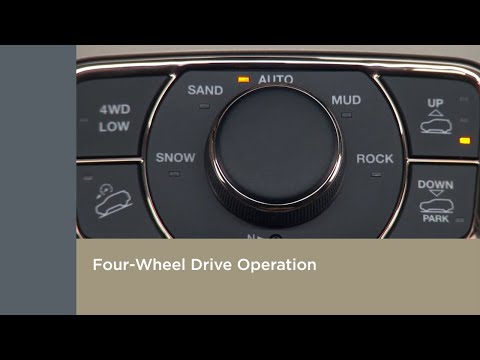
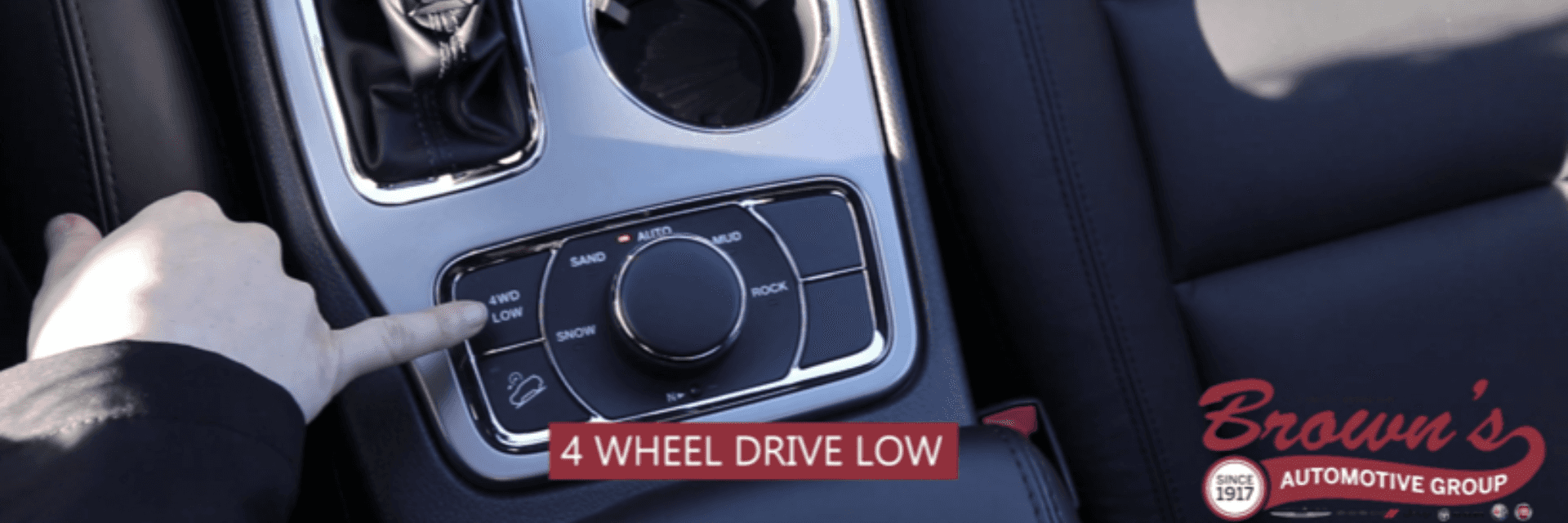
- Turn the 4WD control: Rotate or press the 4WD Low selector.
- Wait for the light: The 4WD Low light on your dashboard will blink and then stay on.
- Shift to Drive (D) or Reverse (R): You’re now ready to move in 4WD Low.
To switch back to normal driving:
- Stop, shift to Neutral, turn off 4WD Low, then return to Drive.
Common Mistakes To Avoid
- Trying to switch while moving quickly.
- Forgetting to shift to Neutral first.
- Using 4WD Low on dry pavement (can cause drivetrain binding).

4wd Low Vs 4wd High Vs Awd
People often confuse 4WD Low, 4WD High, and AWD (All-Wheel Drive). Here’s a quick comparison:
| Mode | Best For | Speed Range | How It Works |
|---|---|---|---|
| AWD | Everyday wet or slippery roads | Any speed | Automatic, always on |
| 4WD High | Snow, dirt, sand | Normal driving speeds | Manual or auto switch |
| 4WD Low | Extreme off-road, slow towing | Slow (under 25 mph) | Manual switch, multiplies torque |
Another detail many owners miss: AWD is not a replacement for 4WD Low. AWD helps with traction, but it won’t give you the same crawling power or control on tough off-road trails.
Practical Tips For Using 4wd Low
- Use only when needed. Driving in 4WD Low on easy roads wears out parts faster.
- After using 4WD Low, check that the indicator light turns off. If not, re-engage and disengage as described.
- Listen for noises. Grinding or clunking may mean something is wrong.
- Practice using the system in a safe area before you need it in real conditions.
If you want more technical detail, the official Jeep owner’s manuals and resources like the Jeep Grand Cherokee Wikipedia page are helpful.
Frequently Asked Questions
What Happens If I Use 4wd Low On Normal Roads?
Using 4WD Low on regular pavement can damage your drivetrain. It’s designed for slow, rough terrain, not for normal driving. Your Jeep will also feel jerky and hard to steer.
Can I Shift Into 4wd Low While Driving?
No. You should always stop and shift to Neutral before engaging 4WD Low. Shifting while moving can harm your transfer case.
How Fast Can I Drive In 4wd Low?
The maximum safe speed in 4WD Low is about 25 mph. Going faster can overheat and break parts.
Does Every Grand Cherokee Have 4wd Low?
No. Some Grand Cherokee models have AWD only and do not include 4WD Low. Check your manual or look for the selector on your control panel.
Is 4wd Low The Same As Locking The Differentials?
No. 4WD Low changes gear ratios for more torque. Locking differentials make both wheels on an axle turn together. Some Jeeps have both features, but they are not the same.
Knowing when and how to use 4WD Low makes your Jeep Grand Cherokee much more capable in tough situations. With the right knowledge, you can handle mud, rocks, or steep hills with confidence and keep your vehicle in good shape for years to come.