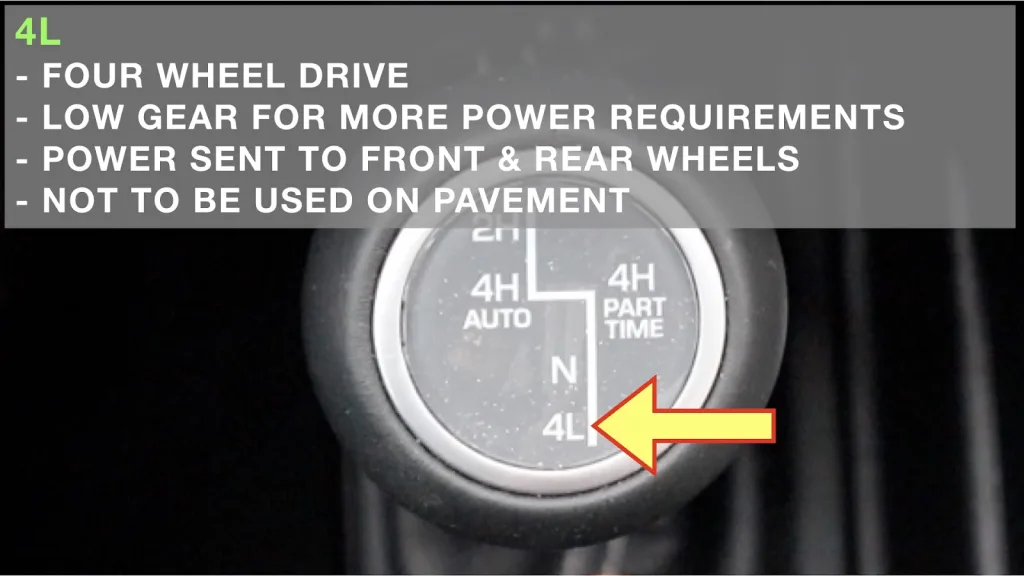
If you drive a Jeep Wrangler, you’ve probably seen the “4H Part Time” setting on your transfer case shifter or in your dashboard menu. This option can be confusing, especially if you’re new to four-wheel drive (4WD) vehicles.
Understanding what “4H Part Time” means is important for safe driving and getting the most from your Wrangler.
What Does 4h Part Time Mean?
The term 4H Part Time stands for “Four-High Part-Time.” It’s a specific 4WD mode available in many Jeep Wrangler models, especially those with traditional transfer cases. Here’s what each part means:
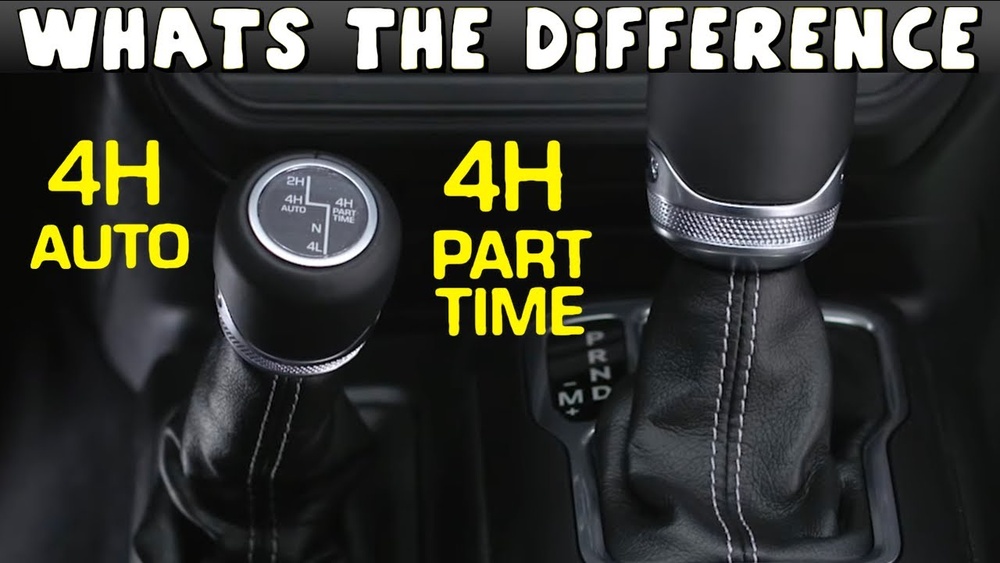
- 4H: “Four-High,” which engages all four wheels for better traction.
- Part Time: This means 4WD should be used only in certain conditions, not all the time.
When you select 4H Part Time, power goes to both the front and rear wheels. This gives your Jeep extra grip on slippery surfaces, such as snow, mud, or sand.
How 4h Part Time Works
A Jeep Wrangler with a part-time 4WD system uses a transfer case to split engine power between front and rear axles. In 2WD mode, only the rear wheels get power. In 4H Part Time, the transfer case locks the front and rear axles together.
This is different from full-time 4WD. Full-time systems can be used on all types of roads, including dry pavement, because they have a center differential that lets the front and rear wheels spin at different speeds. Part-time systems do not.
Typical Jeep Wrangler Transfer Case Modes
Here’s a comparison of the main transfer case modes:
| Mode | When to Use | What it Does |
|---|---|---|
| 2H | Dry pavement | Rear wheels only |
| 4H Part Time | Slippery surfaces | All wheels locked together |
| 4L | Off-road, steep hills | All wheels, extra torque |
| 4H Auto (if equipped) | Any road | Automatic power split |
When Should You Use 4h Part Time?
4H Part Time is made for situations with poor traction. Use it when:
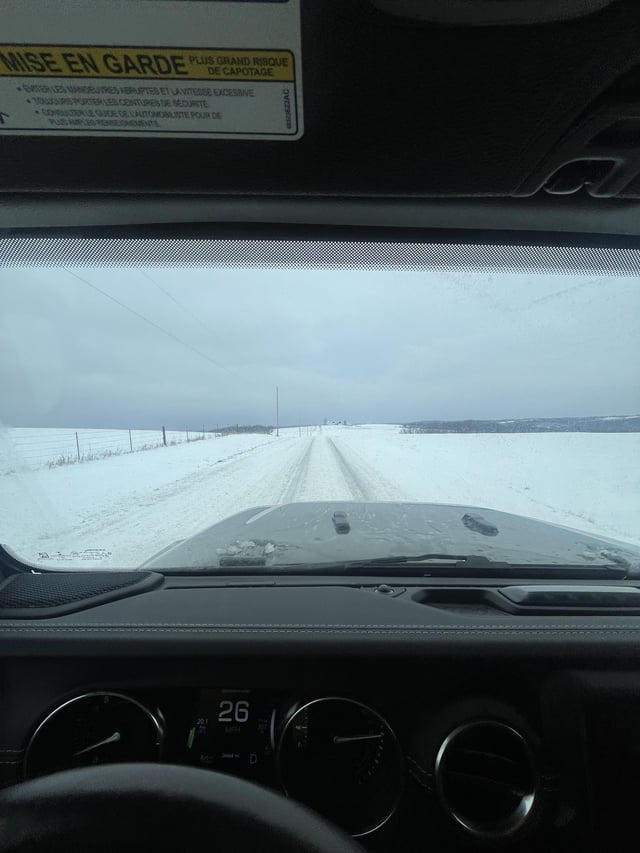
- Roads are covered in snow or ice.
- You’re driving on muddy trails.
- You need extra grip in sand or loose gravel.
Do not use 4H Part Time on dry, paved roads. The system locks the front and rear driveshafts. On high-traction surfaces, this can cause “driveline binding,” which may damage your transfer case and tires.
Example Scenarios
- A snowstorm hits your city. You shift into 4H Part Time to safely drive through unplowed streets.
- You’re heading off-road for a weekend adventure. The trail is muddy, so you switch to 4H Part Time for better control.
How To Engage 4h Part Time
Switching to 4H Part Time is simple, but you should follow the right steps:
- Slow down to under 55 mph (most Jeep manuals recommend this speed).
- Move the transfer case lever (or use the switch) from 2H to 4H Part Time.
- Wait for the dashboard light to show 4H Part Time is active.
You can usually shift between 2H and 4H Part Time while driving, as long as your wheels are not spinning. Shifting into or out of 4L, however, requires the vehicle to be stopped or nearly stopped.
Quick Reference: Shifting Guide
| Mode | Can Shift While Moving? | Recommended Max Speed |
|---|---|---|
| 2H ↔ 4H Part Time | Yes | 55 mph |
| 4H Part Time ↔ 4L | No (stop or crawl) | 2–3 mph (or stopped) |
Common Misunderstandings
Many Jeep owners think 4H Part Time can be used all year, but this is not true. It’s a common beginner mistake to use it on dry pavement. Doing so can lead to:
- Tire wear: The tires scrub against the road, wearing them out quickly.
- Transfer case damage: Extra stress can break parts inside the transfer case.
- Hard steering: The steering wheel feels stiff or jerky.
Another thing people miss: If your Wrangler has both 4H Auto and 4H Part Time, only 4H Auto is safe for all road types. Always check your owner’s manual for your specific model.
Differences Between 4h Part Time And 4h Auto
Some newer Jeep Wranglers offer both 4H Part Time and 4H Auto. Here’s a quick look at the differences:
| Feature | 4H Part Time | 4H Auto |
|---|---|---|
| Safe on dry pavement | No | Yes |
| Locked axles | Yes | No (uses a differential) |
| Automatic power split | No | Yes |
If you’re not sure which you have, check your shifter, dashboard, or owner’s guide.
Practical Tips For Jeep Owners
- Use 4H Part Time only when you’re likely to lose traction.
- Return to 2H as soon as road conditions improve.
- If you hear loud pops or feel vibration, shift out of 4H Part Time—this could mean driveline binding.
- Practice shifting between modes in a safe, open space before you need it in an emergency.
A non-obvious tip: Once a month, drive a short distance in 4H Part Time (on a loose surface) to keep the system lubricated. This prevents the mechanism from sticking due to long periods of disuse.
Frequently Asked Questions
What Happens If I Use 4h Part Time On Dry Pavement?
Using 4H Part Time on dry roads can cause tire wear, transfer case stress, and rough steering. Always use it only when you need extra traction.
Can I Switch To 4h Part Time While Driving?
Yes, you can shift between 2H and 4H Part Time at speeds up to 55 mph, as long as the wheels are not slipping.
Is 4h Part Time The Same As Awd (all-wheel Drive)?
No, 4H Part Time locks the axles and is meant for low-traction conditions. AWD uses a different system and can be used on any road.
Why Does My Wrangler Have Both 4h Auto And 4h Part Time?
Wranglers with the Selec-Trac transfer case offer both. 4H Auto automatically manages power and is safe for all roads. 4H Part Time is only for slippery surfaces.
Where Can I Learn More About Jeep 4wd Systems?
For official information, visit the Jeep 4×4 Systems page.
Understanding how and when to use 4H Part Time keeps your Jeep Wrangler running smoothly and helps you stay safe in tough conditions. With these tips, you can enjoy every adventure your Wrangler is built for.