What Is 4h On A Jeep
If you’re new to off-roading or just starting to drive a Jeep, you might see the 4H setting on your vehicle’s transfer case and wonder what it means. This small label can make a big difference in how your Jeep handles different roads and weather. Understanding what 4H does, when to use it, and how it compares to other settings will help you get the most out of your Jeep, avoid damage, and stay safe in tough driving conditions.
What Does 4h Mean On A Jeep?
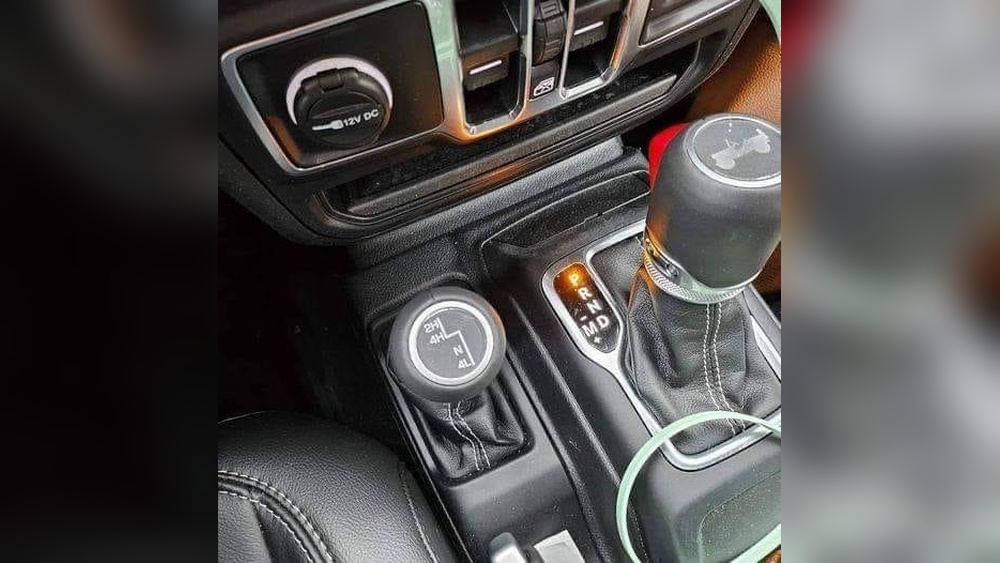
The 4H setting stands for Four-Wheel Drive High. When you shift your Jeep into 4H, power goes to all four wheels instead of just two. This gives your Jeep more traction, which is very helpful on slippery or loose surfaces. In 4H, your Jeep can drive at normal speeds while getting the benefits of four-wheel drive.
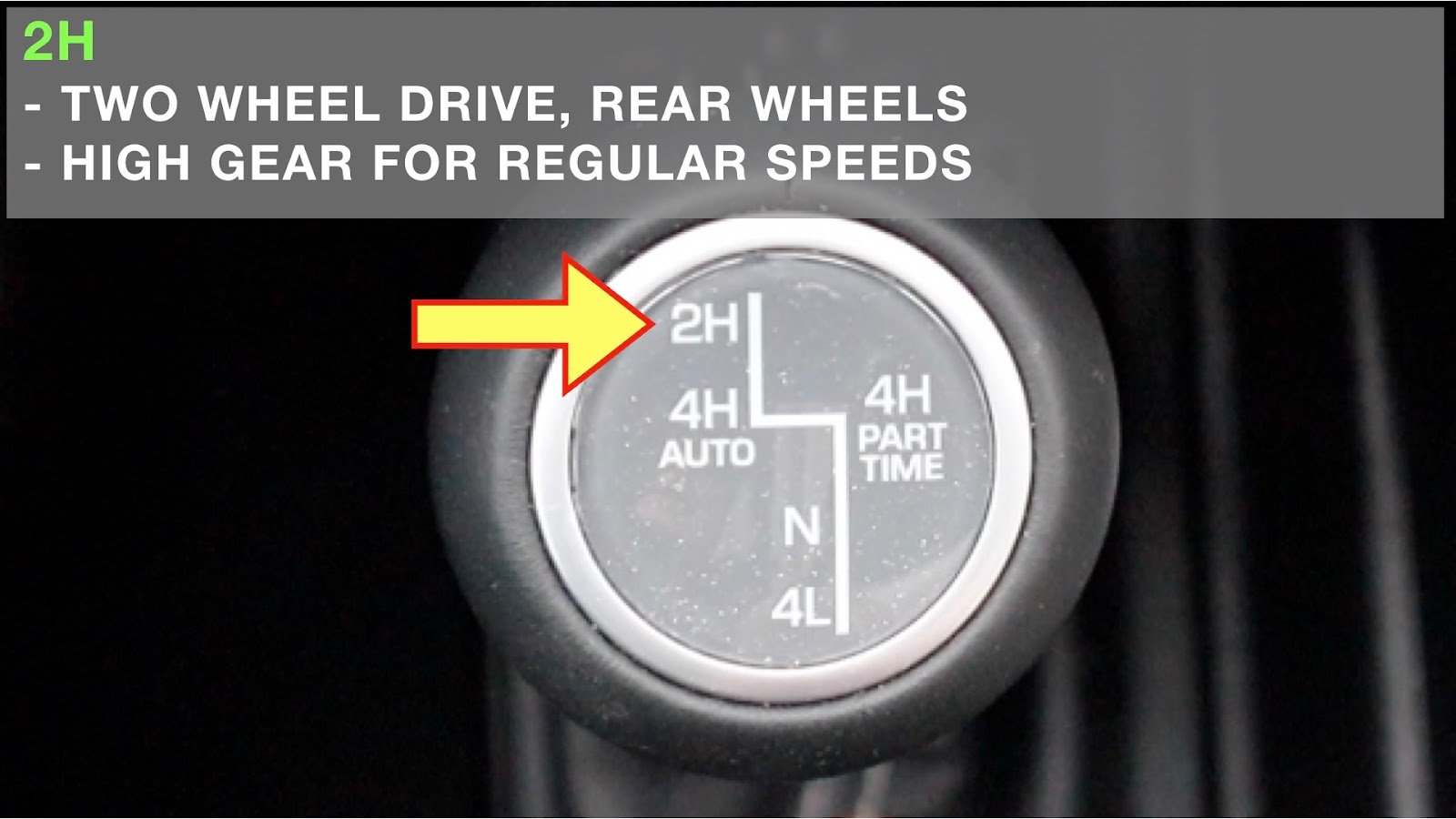
4H is different from 4L (Four-Wheel Drive Low), which is for much slower, more difficult terrain. In 4H, your Jeep’s wheels spin at regular speed, while in 4L, they turn slower but with more force. Most Jeeps with a transfer case let you choose between 2H (two-wheel drive), 4H, and 4L.
When Should You Use 4h?
Knowing when to use 4H can protect your Jeep and make driving easier. Here are the main situations where 4H is useful:
- Snowy or Icy Roads: 4H gives better grip and helps prevent sliding.
- Gravel Roads: On loose gravel, 4H helps keep your Jeep stable.
- Muddy Trails: 4H helps you avoid getting stuck in soft, muddy areas.
- Wet Grass or Fields: Use 4H to avoid losing control on slick surfaces.
- Sand: For beach driving or desert trails, 4H helps prevent wheels from digging in.
You should never use 4H on dry, paved roads for long periods. This can cause extra wear on your Jeep’s drivetrain and may lead to damage, especially if you have a part-time 4WD system.
Always check your Jeep’s manual for the right use.
How To Engage And Disengage 4h
Using 4H is easy, but you must do it correctly to avoid problems. Here’s a quick guide:
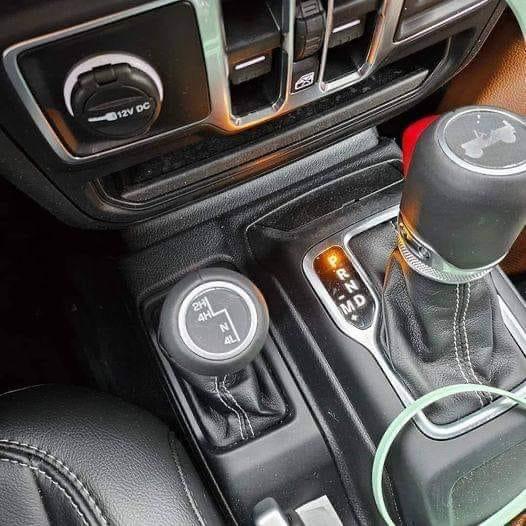
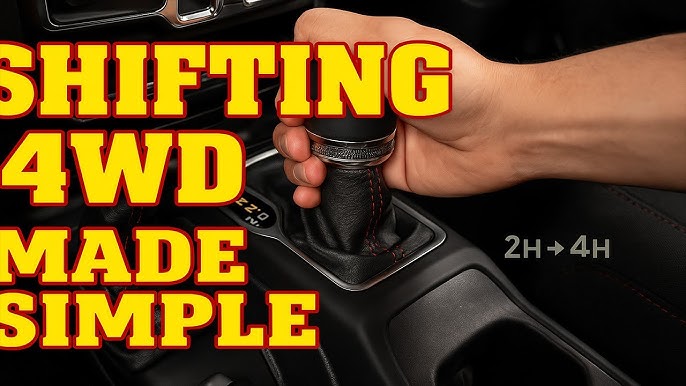
- To Engage 4H: Slow down to under 55 mph. Shift the transfer case lever from 2H to 4H. In most modern Jeeps, you can do this while driving (this is called “shift-on-the-fly”).
- To Disengage 4H: Slow down and shift the lever back to 2H.
Older Jeeps may require you to stop fully before shifting. Always check your owner’s manual for your model’s instructions.
4h Vs 4l Vs 2h: Key Differences
Drivers often get confused about when to use each setting. Here’s a simple comparison:
| Setting | Best For | Speed Range | Key Benefit |
|---|---|---|---|
| 2H | Dry pavement, normal driving | All speeds | Fuel efficiency |
| 4H | Snow, ice, mud, sand | Up to 55 mph | Better traction |
| 4L | Steep climbs, deep mud, rocks | Low speeds (under 25 mph) | Maximum torque |
Real-world Examples
Let’s look at how 4H helps in different situations:
- Winter Commute: If you live in a place with heavy snow, 4H can keep your Jeep from slipping on icy roads. It’s especially helpful when other cars are getting stuck.
- Off-Road Adventure: On a forest trail with patches of mud and loose rocks, 4H keeps you moving forward without spinning your wheels.
- Beach Driving: On soft sand, 4H keeps your Jeep from digging in and getting stuck, as long as you keep your speed steady.
Common Mistakes With 4h
Even experienced drivers make errors with 4H. Here are a few to watch out for:
- Using 4H on Dry Roads: This is the most common mistake. It causes extra wear and can damage parts.
- Driving Too Fast: While you can use 4H at highway speeds, it’s best for slower driving in rough conditions.
- Not Switching Back to 2H: Always return to 2H when you’re back on dry pavement.
- Forgetting to Check for Full Engagement: Sometimes, the transfer case may not fully shift. Always check the dashboard indicator.
4h In Different Jeep Models
Not all Jeeps have the same 4H system. Some use a part-time 4WD, while others use full-time 4WD or AWD. Here’s how they compare:
| Jeep Model | 4H System | Notes |
|---|---|---|
| Wrangler | Part-time 4WD | Manual shifter, classic off-road |
| Grand Cherokee | Full-time 4WD or AWD | Automatic, great for all weather |
| Gladiator | Part-time 4WD | Similar to Wrangler, good for work and play |
If you have a newer Grand Cherokee or a Compass, the system may automatically switch to 4H or AWD as needed. Older Jeeps and most Wranglers give you manual control.
Expert Tips For Using 4h
Here are some tips to get the most out of your Jeep’s 4H system:
- Practice in a Safe Place: Try shifting into 4H in a safe area before you need it.
- Check Your Tires: Good tires make 4H much more effective.
- Use Steady Throttle: In slippery conditions, keep your foot steady to avoid spinning.
- Know Your Limits: 4H helps, but it can’t overcome deep snow or mud if you go too fast.
- Listen to Your Jeep: Strange noises or warning lights mean you should stop and check your system.
A common insight: Some beginners think 4H will solve any off-road problem, but deep mud or sand may still require 4L or recovery gear. And, even in 4H, stopping suddenly can get you stuck, so always plan your moves.
Frequently Asked Questions
What Does 4h Stand For On A Jeep?
4H means Four-Wheel Drive High, which gives power to all four wheels at normal speed for better traction on slippery or loose surfaces.
Can I Use 4h On The Highway?
You can use 4H on highways if the road is slippery (like snow or ice). But on dry pavement, it’s best to use 2H to avoid damage.
Is 4h The Same As All-wheel Drive (awd)?
No, 4H is a manual setting in 4WD systems, while AWD is automatic and always working. 4H is stronger for rough conditions but not for regular roads.
How Fast Can I Drive In 4h?
Most Jeeps allow you to drive up to 55 mph in 4H, but always check your owner’s manual for your model’s exact limit.
What Happens If I Use 4h On Dry Pavement?
Using 4H on dry pavement can cause drivetrain binding and wear out parts faster. Only use 4H when you really need extra traction.
Learning how and when to use 4H will make your Jeep driving experience smoother and safer. For more on four-wheel drive systems, check out this helpful Wikipedia article. With practice, you’ll know exactly when to flip that lever and take on any road or trail with confidence.


















