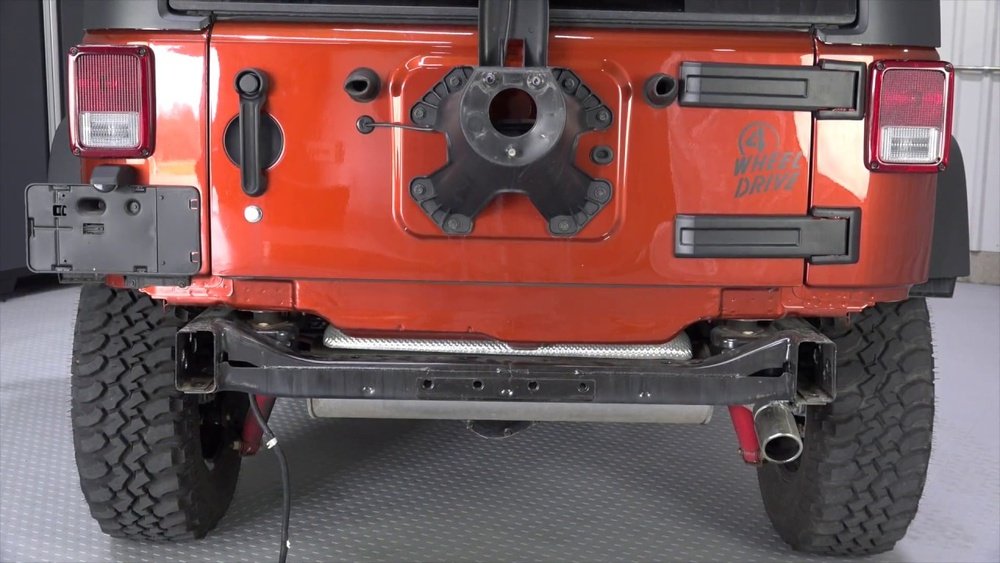
When your Jeep runs out of gas, it is more than just an inconvenience. Many drivers think it’s a simple mistake with no lasting effects.
In reality, running your Jeep dry can cause hidden damage, safety risks, and unexpected costs.
Understanding what happens when your fuel tank hits empty helps you avoid bigger problems and stay safe on the road.
What Actually Happens When A Jeep Runs Out Of Gas
Your Jeep doesn’t just stop instantly when it’s out of fuel. The process is gradual, and several things happen behind the scenes.
First, the engine starts sputtering. You might feel sudden jerks or loss of power, especially if you try to accelerate. This happens because the fuel lines are drawing in air instead of gasoline.
Next, the engine stalls completely. Power steering and brakes lose their assist, so turning the wheel or stopping requires more effort. If you’re on a busy road, this can be dangerous.
If you try to start the engine again, it usually won’t work. Modern Jeeps cut off fuel to protect the engine from damage, but repeated attempts can drain the battery.
What About The Dashboard?
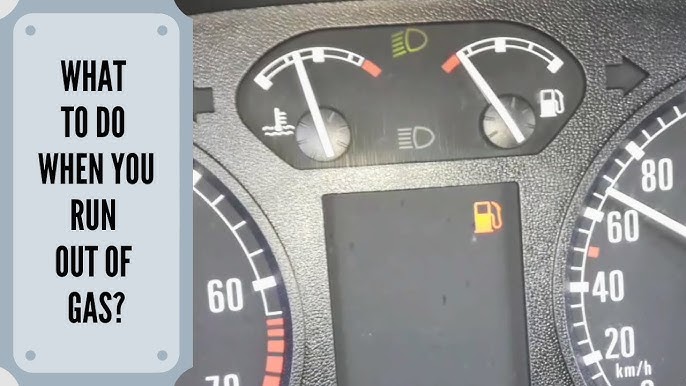
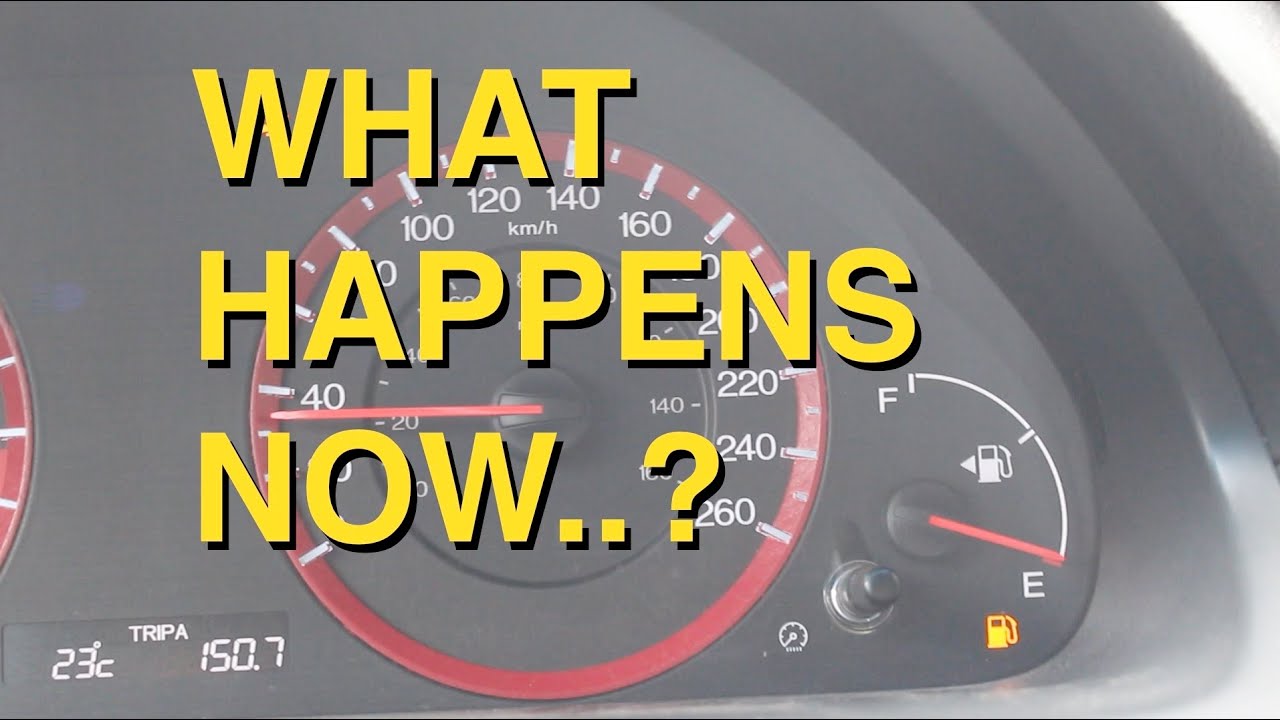
Most Jeeps have a low fuel warning light that comes on with about 30–50 miles of range left. However, this estimate is not always accurate. Driving habits, terrain, and even tire pressure can change how far you can go after the light turns on.
Running your Jeep out of gas can cause more than just inconvenience. There are risks that many drivers don’t realize.
Fuel Pump Damage
The fuel pump uses gasoline for both lubrication and cooling. When the tank is empty, the pump can overheat and wear out faster. Replacing a fuel pump can cost between $400 and $900, including labor.
Clogged Fuel Filter
Sediment and debris settle at the bottom of your gas tank. When you run low, the pump pulls up this debris, which can clog the fuel filter or even reach the engine. Over time, this reduces performance and can lead to costly repairs.
Catalytic Converter Stress
Running out of gas can cause the catalytic converter to overheat or misfire, especially if you keep trying to restart the engine. This part is expensive to replace and is critical for emissions control.
Safety Risks On The Road
Losing power on the road isn’t just frustrating—it can be dangerous.
- Loss of Power Steering: Without the engine running, the steering wheel is much harder to turn.
- Reduced Braking Power: Power brakes rely on the engine. When it stops, you need more force to slow down.
- Stuck in Traffic: If your Jeep stops in a risky spot, like a highway or intersection, you’re at risk from other drivers who may not see you in time.
What To Do When Your Jeep Runs Out Of Gas
If you find yourself stranded, stay calm and follow these steps:
- Signal and Pull Over: Use your hazard lights. Get your Jeep to the side of the road or a safe area.
- Stay in the Vehicle: If you’re on a busy road, it’s usually safer to stay inside with your seatbelt on.
- Call for Help: Contact roadside assistance or a friend. Many insurance plans offer emergency fuel delivery.
- Don’t Try to Restart Repeatedly: This can drain your battery and damage the fuel system.
- Refuel Safely: If you must walk to get gas, be careful, especially at night or in bad weather.
How Far Can You Drive On Empty?
Most Jeep models have a “reserve” built in when the low fuel light turns on. Here’s a look at common Jeep models and their typical range after the warning light:
| Jeep Model | Estimated Miles After Low Fuel Light |
|---|---|
| Wrangler | 30–45 miles |
| Grand Cherokee | 25–40 miles |
| Cherokee | 30–38 miles |
| Compass | 30–35 miles |
Insight: The “miles to empty” is only an estimate. Driving uphill, towing, or using the AC can reduce these numbers.
Does Running Out Of Gas Affect Your Warranty?
Many Jeep owners worry about their warranty if they run out of fuel. Most factory warranties don’t cover damage caused by running the tank dry.
For example, a failed fuel pump due to running out of gas is usually considered “owner neglect.
”
Here’s a simple breakdown:
| Problem | Warranty Coverage? |
|---|---|
| Fuel Pump Damage | No |
| Clogged Fuel Filter | No |
| Engine Damage | No |
Always check your specific policy, but it’s safer (and cheaper) to keep your tank above 1/4 full.
Preventing Problems: Tips To Never Run Out
Staying prepared is easier than fixing damage later. Try these strategies:
- Refuel Early: Don’t wait for the warning light. Fill up when you reach a quarter tank.
- Know Your Range: Learn your Jeep’s average miles per tank, especially if you drive in remote areas.
- Use Apps: Many apps show nearby gas stations and prices.
- Carry a Gas Can: For long road trips, a small approved container can be a lifesaver—just store it safely.
- Check for Recalls: Some Jeeps have had fuel system recalls. Stay updated through the National Highway Traffic Safety Administration.
Insight: In winter, keeping your tank at least half full prevents condensation and fuel line freeze-up.
Frequently Asked Questions
What Should I Do Immediately After My Jeep Runs Out Of Gas?
First, pull over safely and turn on your hazard lights. Avoid trying to restart the engine repeatedly.
Call for roadside assistance or arrange for fuel delivery if possible.
Can Running Out Of Gas Damage My Jeep’s Engine?
Yes, it can. Running dry increases the risk of fuel pump overheating and may send debris into the fuel system, which can harm the engine over time.
How Much Does It Cost To Fix Fuel Pump Damage?
Repairing or replacing a fuel pump usually costs between $400 and $900. Costs can be higher if debris damages other parts of the fuel system.
Is It Safe To Walk To A Gas Station If I Run Out?
If you must leave your Jeep, make sure you are visible to traffic and aware of your surroundings. However, it’s often safer to stay inside your vehicle and wait for help, especially on busy roads or at night.
How Can I Avoid Running Out Of Gas On Long Trips?
Plan your route in advance, refuel before reaching a quarter tank, and use GPS or apps to find gas stations along your journey. Carrying an approved gas can is also helpful for emergencies.
Running out of gas in your Jeep is more than a minor hassle. It can lead to unexpected expenses, safety risks, and mechanical problems.
By understanding what happens and taking simple steps to prevent it, you keep your Jeep reliable and your journeys stress-free.