The Jeep Commander was once a bold SUV on American roads. With its boxy shape and seven-passenger seating, it stood apart from other Jeep models.
Many people still ask what happened to this unique vehicle, why it disappeared, and if it’s coming back. Let’s explore the story of the Jeep Commander, its rise, decline, and the impact it left on the SUV market.
The Launch Of The Jeep Commander
Jeep introduced the Commander in 2005 for the 2006 model year. The Commander was designed to offer a three-row SUV option, something Jeep had not done before. It was built on the same platform as the popular Grand Cherokee, but it looked much bigger and more rugged.
Some key features at launch:
- Seating for seven (third-row added)
- Boxy, upright design inspired by classic Jeeps
- 4WD capabilities for off-road driving
- Multiple engine options, including a V8
The goal was to attract families needing more space but still wanting Jeep’s off-road reputation.
Why Did The Jeep Commander Fail?
While the Commander had strong brand appeal, it faced several problems. Here’s a closer look at why it didn’t last long:
| Problem | Impact |
|---|---|
| Poor fuel economy | High running costs for owners |
| Cramped third row | Limited comfort for adults |
| Heavy and bulky design | Hard to drive and park |
| Outdated interior | Less appeal compared to rivals |
- Fuel efficiency was a major issue. Most Commanders had large engines and weighed more than other SUVs. In a time when gas prices were rising, this was a big disadvantage.
- The third-row seating was tight. While the Commander advertised space for seven, adults struggled to fit in the back row.
- Competition in the SUV market was fierce. Other brands offered better interiors, smoother rides, and more advanced technology.
Sales Data And Discontinuation
The Commander sold well at first. In its first year, Jeep moved over 88,000 units. However, sales quickly fell:
| Year | US Sales |
|---|---|
| 2006 | 88,497 |
| 2007 | 56,211 |
| 2008 | 27,985 |
| 2009 | 8,520 |
| 2010 | 4,212 |
By 2010, Jeep announced the Commander would be discontinued. The reasons were clear: slow sales, changing consumer tastes, and the need for more modern SUVs.
Legacy And Impact
Even though the Commander was not a big success, it taught Jeep important lessons. The demand for three-row SUVs was real, but buyers wanted comfort, fuel efficiency, and modern features.
After the Commander, Jeep waited nearly a decade to offer another three-row vehicle. In 2021, they launched the Jeep Grand Cherokee L, which fixed many of the Commander’s problems. The Grand Cherokee L is lighter, more fuel-efficient, and has a spacious third row.
Let’s compare these two models:
| Feature | Jeep Commander | Grand Cherokee L |
|---|---|---|
| Fuel Economy | 14-18 mpg | 19-26 mpg |
| Third-Row Comfort | Cramped | Spacious |
| Interior Tech | Basic | Modern |
| Sales Start Year | 2006 | 2021 |
One insight many overlook is that the Commander’s failure was not just about the car itself. The SUV market was changing fast.
Buyers wanted luxury and efficiency, not just rugged looks.

The Commander Outside North America
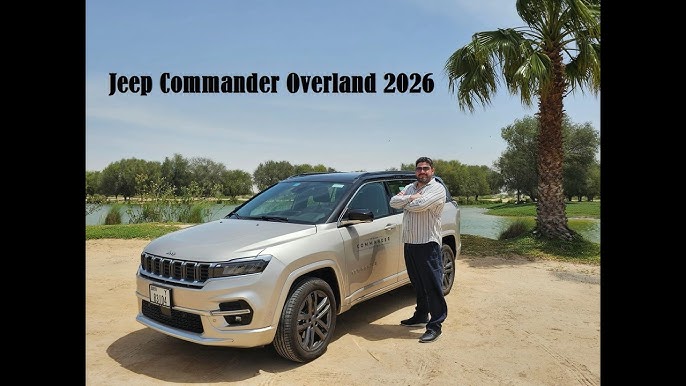
Jeep continued the Commander name in some markets after 2010. In China, for example, a new Jeep Commander model was launched in 2018. This version was much different—focused on city driving, with a softer design and better fuel economy.
This shows Jeep learned from its mistakes and adapted the Commander for different markets. However, in North America, the original Commander remains a rare sight.
Is The Jeep Commander Still Relevant?
Today, the Commander is often seen as a collector’s vehicle. Some Jeep fans like its classic shape and strong off-road abilities. Used Commanders sell for $5,000–$12,000, depending on condition and mileage.
If you’re thinking about buying a used Commander, consider these points:
- Maintenance costs can be high.
- Parts may be harder to find.
- Fuel costs are above average.
A common mistake is believing the Commander is a cheap way to get a big Jeep. In reality, you must budget for repairs and gas.

Frequently Asked Questions
Why Was The Jeep Commander Discontinued?
The Jeep Commander was discontinued because of low sales, poor fuel economy, and changing customer needs. Jeep realized buyers wanted more comfort and better technology.
Is The Jeep Commander Reliable?
The Commander is reliable if well maintained, but older models may have issues like electrical problems or engine troubles. Regular service is important.
Will Jeep Bring Back The Commander In The Us?
Jeep has no plans to relaunch the Commander in the US. Instead, they offer the Grand Cherokee L for buyers wanting a three-row SUV.
What Is The Difference Between The Commander And Grand Cherokee L?
The Grand Cherokee L is lighter, more fuel-efficient, and has a more comfortable third row. It also features modern technology missing in the older Commander.
Are There Commanders In Other Countries?
Yes, Jeep launched a new Commander in China and some South American markets. These versions are made for city driving and are different from the original US model. You can learn more from the Wikipedia Jeep Commander page.
The Jeep Commander was a bold move that didn’t last, but it pushed Jeep to create better three-row SUVs. Its story shows how car companies must listen to buyers and adapt quickly.
Today, the Commander is part of Jeep’s history a lesson in what works and what does not in the ever-changing SUV world.