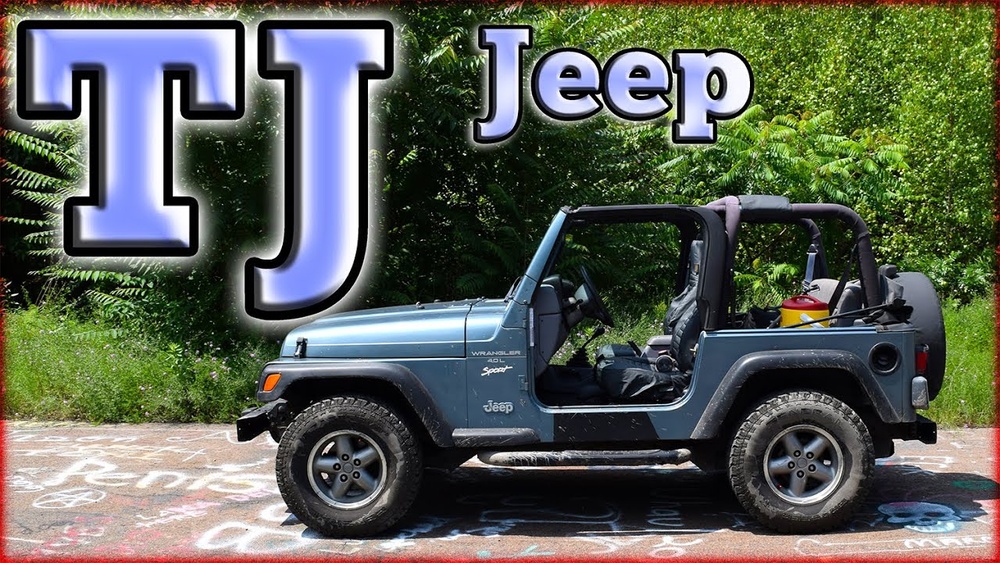
Many people love the Jeep Wrangler for its adventurous spirit and rugged design. But before you buy one, you might wonder: What gas does a Jeep Wrangler use?
This question is important because fuel type affects performance, maintenance, and overall cost. Let's look at the gas options for Jeep Wranglers, their differences, and what you should know as an owner or buyer.
Gas Types Used By Jeep Wranglers
Most Jeep Wranglers on the road today run on regular unleaded gasoline. This is the most common fuel type for everyday use. Some newer models, especially those with turbocharged engines or high-performance versions, may recommend or require premium gasoline. There are also diesel variants, but they are less common in the US.
Gasoline Vs Diesel
Here’s a quick comparison:
| Aspect | Gasoline Wrangler | Diesel Wrangler |
|---|---|---|
| Engine Type | Standard, Turbo | EcoDiesel |
| Fuel Required | Unleaded, sometimes Premium | Diesel only |
| Availability | Very common | Rare in US |
| Typical Buyer | Most owners | Off-road, towing fans |
Most buyers choose gasoline Wranglers because gas stations with unleaded fuel are easy to find everywhere.
Recommended Fuel Grades For Jeep Wranglers
Each Jeep Wrangler’s engine has a recommended fuel grade. Using the right grade keeps your engine running well and avoids problems. Here is a summary of what most Jeep Wrangler models require:
| Model Year | Engine | Recommended Gas | Optional Gas |
|---|---|---|---|
| 2012–2024 | 3.6L V6 | 87 octane (Regular) | 89–91 octane (Mid/Premium) |
| 2018–2024 | 2.0L Turbo | 91 octane (Premium) | 89 octane (Mid) |
| 2020–2024 | 3.0L Diesel | Ultra Low Sulfur Diesel | None |
| 2021–2024 | 6.4L V8 (Rubicon 392) | 91 octane (Premium) | 89 octane (Mid) |
Tip: Always check your Jeep’s owner’s manual for the exact recommendation. Using a lower grade than required, especially for turbo or V8 engines, can lead to knocking or lower performance.

Fuel Efficiency: What To Expect
Jeep Wranglers are not famous for high fuel efficiency. Their boxy shape and off-road tires are built for adventure, not saving gas. Here are typical fuel economy numbers:
- 3.6L V6: 17–25 mpg (city/highway combined)
- 2.0L Turbo: 20–24 mpg
- 3.0L Diesel: 22–29 mpg
- 6.4L V8: 13–17 mpg
These numbers can change based on driving style, tire size, and added accessories like roof racks or larger bumpers.
Real-world Example
If you drive mostly in the city, expect closer to the lower end of these ranges. Highway driving gives better mpg, but strong winds or heavy loads can lower it.
Common Mistakes With Jeep Wrangler Fuel
- Using the wrong octane: Some drivers try to save money by using regular gas in a Jeep that needs premium. This can harm the engine over time.
- Ignoring diesel requirements: Never put gasoline in a diesel Wrangler (and vice versa). Mixing them can cause expensive damage.
- Not considering local fuel quality: In some regions, fuel quality may be lower, which can affect engine health. Using a top-tier gas station helps.
- Forgetting about ethanol blends: Most US gas contains up to 10% ethanol (E10), which is safe for Jeep Wranglers. Avoid higher ethanol blends unless your manual says it’s okay.
Maintenance Tips For Fuel Systems
- Change your fuel filter regularly (usually every 30,000 miles or as recommended).
- Use high-quality gasoline to keep the injectors clean.
- Add a fuel system cleaner every 10,000 miles if you often drive in dusty or harsh conditions.
- Pay attention to the “check engine” light—fuel problems can trigger it.
These habits can help you avoid costly repairs and keep your Wrangler performing well.
Many drivers ask if using premium gasoline gives better power or mpg in Wranglers designed for regular gas. The answer: if your engine does not require premium, you will not see much benefit. However, for turbocharged or V8 engines, premium is necessary for the best performance and long-term health.
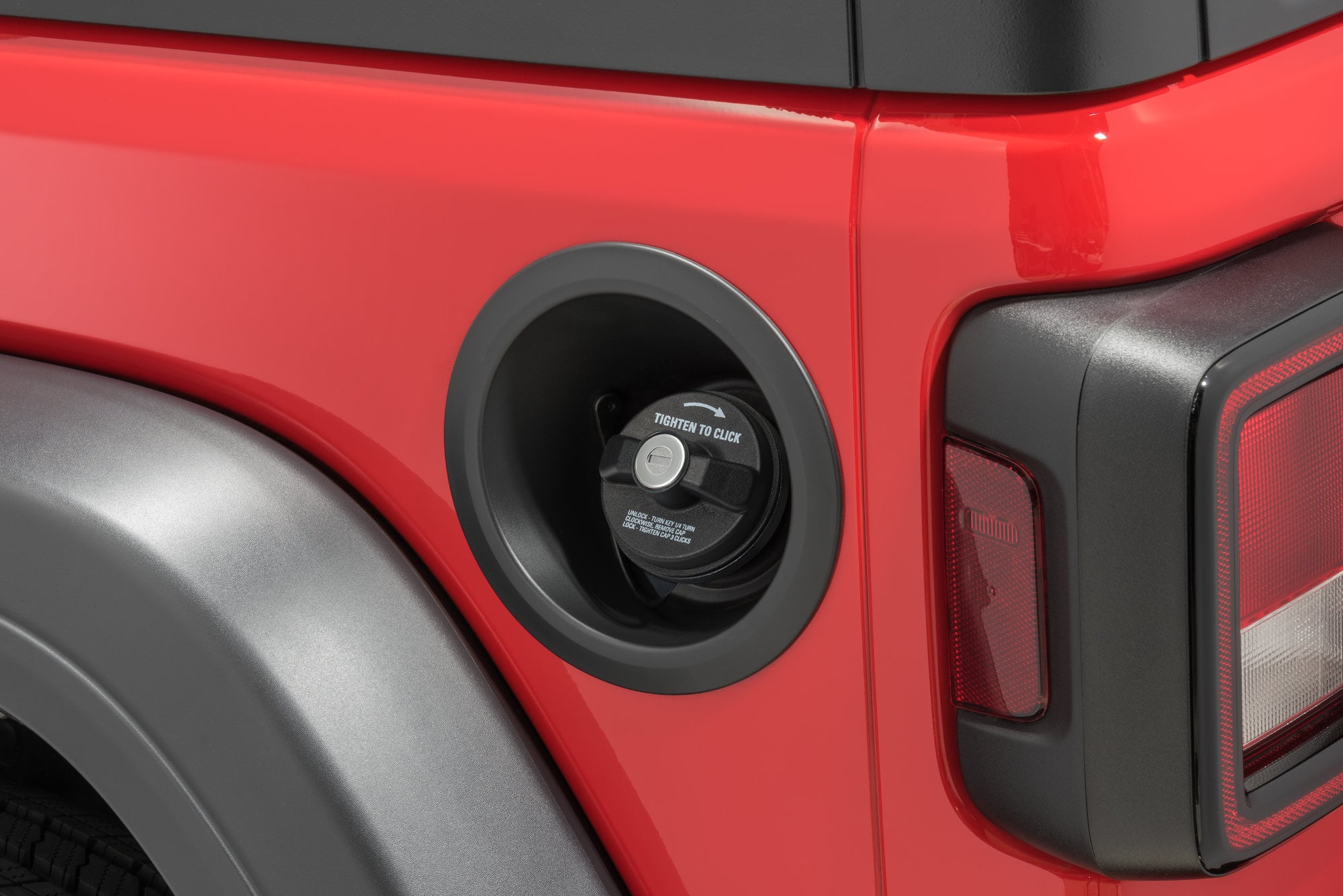
Non-obvious Insights For Owners
- Altitude matters: If you live in a high-elevation area, your Wrangler might run fine on lower-octane gas. But always check your manual because turbo engines are more sensitive to octane.
- Aftermarket tuning: If you modify your Wrangler (like adding a supercharger), fuel requirements can change. Talk to your mechanic before switching gas types.
Considering A Hybrid Or Electric Wrangler?
The Jeep Wrangler 4xe plug-in hybrid uses both gasoline and electricity. It requires premium gas for best performance. If you want to reduce fuel costs, the 4xe might be a good option, but you’ll need to charge it regularly to get the most benefits.
You can learn more about modern Wrangler technology and engine options on the official Jeep website.
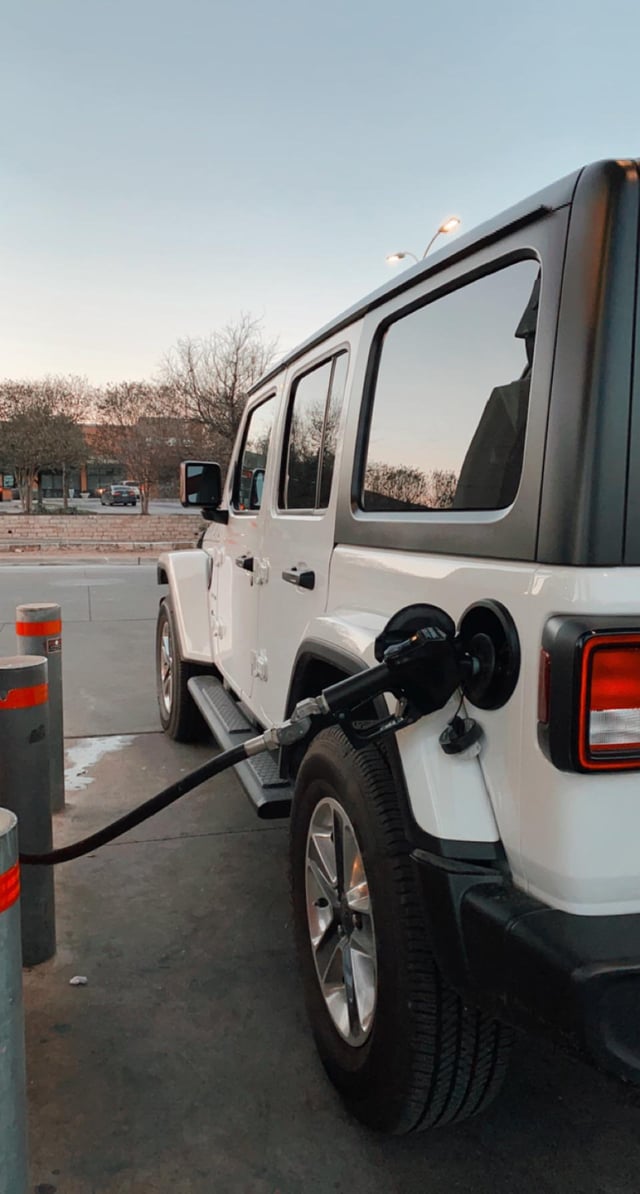
Frequently Asked Questions
Most Jeep Wranglers use regular gas, but some engines like the 2. 0L turbo and 6. 4L V8 require premium. Always check your owner’s manual to be sure.
Can I Use E85 Or High-ethanol Fuel In My Jeep Wrangler?
No, most Jeep Wranglers are not designed for E85 or high-ethanol blends. Use only E10 or what is specified in your manual.
What Happens If I Use Diesel In A Gas Wrangler?
Using diesel in a gas Wrangler can cause engine damage and will require a full system flush. Never mix fuel types.
Is The Jeep Wrangler Fuel Efficient?
The Wrangler is less fuel efficient than many SUVs due to its design. Expect 13 29 mpg depending on the engine and driving conditions.
How Can I Improve My Wrangler’s Fuel Economy?
Keep tires properly inflated, remove heavy accessories when not needed, and drive smoothly. Regular maintenance also helps your Wrangler use less gas.
Jeep Wranglers are all about adventure, but understanding what gas they need keeps your journey smooth and worry-free. Choose the right fuel, follow smart maintenance habits, and your Wrangler will be ready for the road ahead.