Driving a Jeep Wrangler is more than transportation—it’s an adventure. Whether you’re cruising city streets or exploring muddy trails, choosing the right gasoline keeps your engine running smoothly.
Many owners, especially beginners, wonder: What gas goes in Jeep Wrangler? It’s not as simple as “just fill it up.”
Using the wrong fuel can cause engine problems, lower performance, and even void your warranty. Let’s break down everything you need to know, with clear examples and practical advice.

Understanding Jeep Wrangler Engines
Jeep Wranglers come with different engine types. Each has its own fuel needs. Most Wranglers use regular gasoline, but some models require premium gas. Knowing your engine is the first step.
Here’s a quick comparison of common Jeep Wrangler engines and their recommended fuel:
| Engine | Recommended Gas | Octane Rating |
|---|---|---|
| 3.6L Pentastar V6 | Regular Unleaded | 87 |
| 2.0L Turbo I4 | Premium Unleaded | 91+ |
| 6.4L V8 (Rubicon 392) | Premium Unleaded | 91+ |
| 3.0L EcoDiesel V6 | Diesel Fuel | Ultra-low sulfur |
Most Jeep Wranglers in the US use the 3.6L Pentastar V6. This engine works best with 87-octane regular gas. Using premium gas doesn’t improve performance for this engine—it’s a common beginner mistake.
What Is Octane Rating?
Octane rating measures a fuel’s ability to resist knocking. Knocking is when fuel burns unevenly, harming your engine.
Higher octane means less knocking, but not all engines need it.
- Regular gas: 87 octane
- Mid-grade: 89 octane
- Premium: 91-93 octane
If your manual says “regular,” don’t waste money on premium. But if your engine needs premium, using regular can cause damage. Always check your owner’s manual.
Gasoline Vs Diesel: Which Does Your Wrangler Use?
Most Wranglers use gasoline. But Jeep also offers a diesel engine. Diesel fuel is very different from gasoline. Never put gasoline in a diesel Wrangler, or vice versa.
Here’s a simple comparison:
| Fuel Type | Wrangler Model | Main Benefits |
|---|---|---|
| Gasoline | Most models | Easy to find, cheaper, good for daily driving |
| Diesel | EcoDiesel models | Better torque, improved fuel economy, great for towing |
Most gas stations clearly mark diesel and gasoline pumps. Double-check before fueling misfueling is expensive to fix.
Can You Use E85 Or Alternative Fuels?
Some drivers ask about E85 (ethanol fuel) or other alternatives. Jeep Wranglers are not designed for E85. Using E85 in a non-Flex Fuel vehicle can damage your engine and void your warranty.
Wranglers also don’t support electric power (except the 4xe hybrid, which uses both gas and electric). For most owners, stick with regular unleaded gas unless your engine specifically needs something else.

Common Mistakes When Fueling Your Jeep Wrangler
Many first-time owners make mistakes at the pump. Here are three you should avoid:
- Using premium gas in a regular engine: This doesn’t improve performance or fuel economy. It’s just extra cost.
- Choosing the wrong pump: Always check the label. Gasoline and diesel pumps are separate.
- Ignoring the manual: Each model has its own needs. The manual is your best source for the right fuel.
Another overlooked detail is the fuel cap. If your cap is loose or missing, dirt and moisture can get in. This leads to engine trouble and poor mileage.
How Fuel Choice Affects Performance
Using the right fuel keeps your Jeep Wrangler running at its best. For example, the Rubicon 392 needs premium gas for full horsepower. Regular gas will reduce power and cause knocking.
Here’s what happens if you use the wrong gas:
- Lower power: Engine won’t deliver full performance
- Poor mileage: Using the wrong fuel lowers efficiency
- Engine knocking: Can cause expensive repairs
- Voided warranty: Jeep won’t cover problems caused by misfueling
Always choose the recommended fuel for your engine. This is one of the simplest ways to keep your Jeep reliable.
Tips For Fueling Your Jeep Wrangler
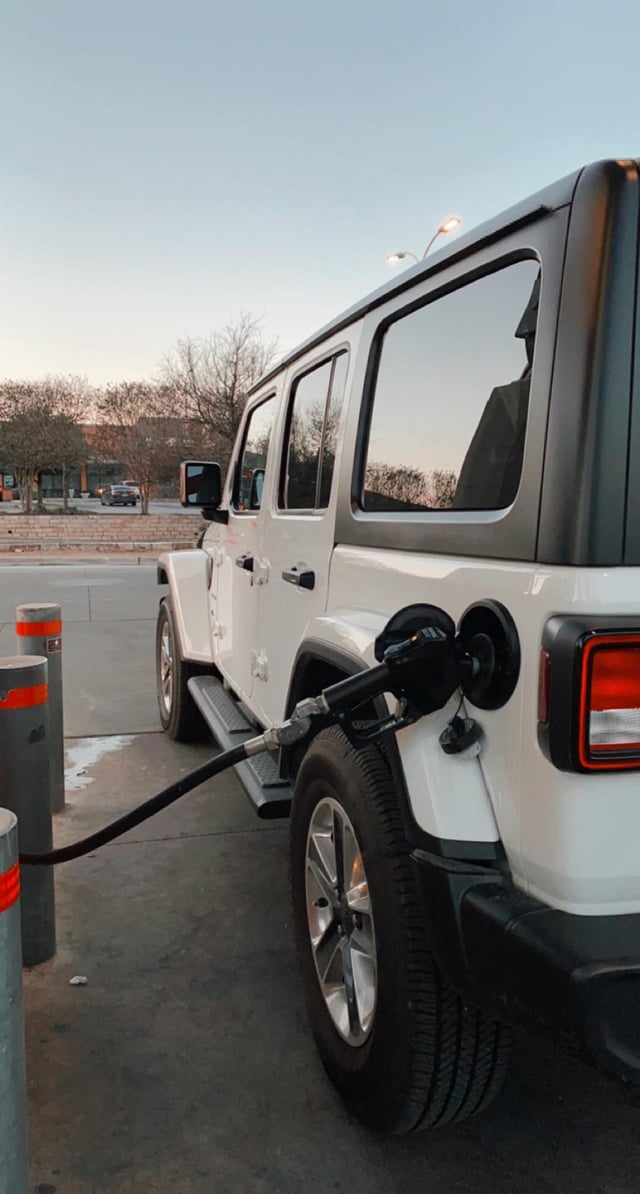
Fueling your Wrangler is simple once you know what to do. Here are some practical tips:
- Check the manual before every fill-up, especially if you change vehicles or rent.
- Fill up at trusted stations with clean pumps. Dirty or low-quality gas can cause engine problems.
- Avoid topping off your tank. Stop when the pump clicks off. Overfilling can damage the vapor system.
- Monitor your mileage after each fill-up. If you notice a sudden drop, check for fuel-related issues.
- Keep your fuel cap tight. This prevents leaks and keeps your engine running smoothly.
Frequently Asked Questions
What Octane Gas Should I Use In My Jeep Wrangler?
Most Jeep Wranglers use 87-octane regular gas. If you have a turbo or V8 model, use 91-octane premium gas. Always check your owner’s manual to be sure.
You can, but it won’t help. The 3.6L Pentastar V6 is designed for regular gas. Using premium won’t improve performance or mileage.
What Happens If I Put Diesel In A Gasoline Jeep Wrangler?
Diesel will not work in a gasoline engine. It can cause severe damage and require expensive repairs.
If you make this mistake, don’t start the engine call for help immediately.
Are Jeep Wranglers Compatible With E85 Or Ethanol Fuels?
Most Wranglers are not designed for E85. Only Flex Fuel vehicles can use it safely. Using E85 in a regular Wrangler can cause engine problems.
Where Can I Find Official Fuel Recommendations For My Jeep Wrangler?
The best source is your owner’s manual or the official Jeep website. For more details, check Jeep’s official site.
Choosing the right gas for your Jeep Wrangler is simple once you know your engine. Always check your manual, use the correct octane, and avoid common mistakes. With the proper fuel, your Wrangler will stay reliable and ready for any adventure.