If you drive a Jeep, you know it’s built for adventure. But even the toughest vehicle needs the right fuel.
Choosing the correct gas for your Jeep can affect performance, engine health, and even your wallet. There’s more to this decision than just picking a pump.
Let’s explore what gas Jeeps take, why it matters, and how to make the best choice for your model.
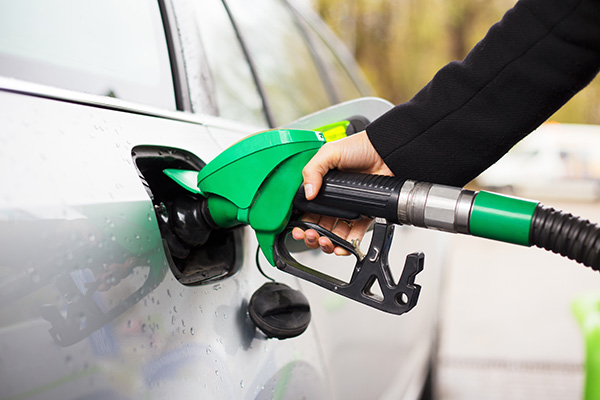
Understanding Jeep Fuel Types
Most Jeep vehicles run on regular unleaded gasoline. However, there are exceptions. Some models, especially older or high-performance versions, require premium gasoline or even diesel. The fuel you need often depends on your Jeep’s engine and year.
Key fuel types for Jeeps:
- Regular Unleaded (87 octane)
- Mid-Grade (89 octane)
- Premium (91–93 octane)
- Diesel
Your Jeep’s owner’s manual is the most accurate source for fuel recommendations. Using the wrong fuel type can cause engine knocking, reduced power, and lower fuel efficiency.
Gas Requirements By Popular Jeep Models
Jeep offers a range of models. Each may have different fuel needs based on their engines.
Here’s a quick look at the most common Jeep vehicles and the gas they take.
| Jeep Model | Common Engine | Recommended Gas |
|---|---|---|
| Wrangler | 3.6L V6 / 2.0L Turbo | Regular (87 octane) |
| Grand Cherokee | 3.6L V6 / 5.7L V8 | Regular (87 octane), Premium for V8 optional |
| Compass | 2.4L I4 | Regular (87 octane) |
| Renegade | 1.3L Turbo | Regular (87 octane) |
| Gladiator | 3.6L V6 | Regular (87 octane) |
| EcoDiesel Models | 3.0L V6 Diesel | Ultra-Low Sulfur Diesel |
Note: Always check your vehicle’s specific manual, as some trims or special editions may recommend higher octane or diesel.
Why Octane Rating Matters
The octane rating measures a fuel’s ability to resist knocking or pinging during combustion. Most Jeep engines are designed for 87 octane, which is regular gas in the US. Some high-compression or turbocharged engines may need premium gas (91+ octane) to prevent knocking and ensure smooth performance.
What Happens If You Use The Wrong Octane?
If your Jeep requires premium fuel and you use regular, you might notice:
- Reduced power
- Lower fuel economy
- Engine knocking (a pinging sound from the engine)
However, using premium gas in a Jeep designed for regular will not boost performance. It’s usually a waste of money.
Special Cases: Diesel And High-performance Jeeps
Some Jeep models, like the Wrangler EcoDiesel or Grand Cherokee EcoDiesel, use diesel engines. These require ultra-low sulfur diesel fuel—never put gasoline in a diesel Jeep.
High-performance trims, such as the Grand Cherokee Trackhawk or SRT, have powerful engines that require premium gasoline for best results. Using lower-octane gas in these models can reduce engine life and performance.
Comparison: Gasoline Vs Diesel Jeeps
Here’s a quick comparison between gasoline and diesel Jeep models:
| Fuel Type | Pros | Cons |
|---|---|---|
| Gasoline | Cheaper, widely available | Lower torque, less fuel efficient |
| Diesel | More torque, better fuel economy | More expensive, fewer stations |
Tips For Fueling Your Jeep
- Check your manual before filling up, especially if you buy a used Jeep.
- Never mix gasoline and diesel. This can damage the engine beyond repair.
- Don’t use E85 ethanol unless your Jeep is labeled “Flex Fuel.”
- Avoid cheap, no-name gas stations if possible. Low-quality fuel may have impurities.
- Don’t overfill the tank. Modern Jeeps have vapor recovery systems; overfilling can damage these.
A small but important detail: many Jeep owners miss that fuel recommendations can change after engine modifications. If you add a turbocharger or tune the engine, you might need a higher octane fuel.
How Fuel Choice Affects Jeep Performance
Using the recommended gas helps keep your Jeep running smoothly. Lower octane than required can cause:
- Engine knocking
- Rough idle
- Poor acceleration
On the other hand, using a higher octane than needed offers no real benefit. It does not clean your engine or increase horsepower.
Stick to what Jeep recommends for the most reliable performance.
Here’s a summary of fuel type effects:
| Fuel Used | Impact on Jeep |
|---|---|
| Recommended Fuel | Optimal performance, best mileage, engine safety |
| Lower Octane | Engine knock, power loss, possible damage |
| Higher Octane | No benefit, higher fuel cost |
| Wrong Fuel Type (e.g., Diesel in Gas Engine) | Severe engine damage, may not run |
Frequently Asked Questions
What Gas Should I Use For My Jeep Wrangler?
Most Jeep Wrangler models use regular unleaded (87 octane). If you have a turbocharged or special edition engine, check your manual for any higher octane requirements.
Yes, you can, but it won’t improve performance or gas mileage. It only costs more. Stick to the recommended fuel for best results.
Do Any Jeeps Take Diesel Fuel?
Yes, some models like the Wrangler EcoDiesel and Grand Cherokee EcoDiesel require ultra-low sulfur diesel. Never use gasoline in these engines.
What Happens If I Use The Wrong Gas In My Jeep?
Using the wrong octane can cause knocking, reduced efficiency, and possible engine damage. Using diesel in a gas engine (or vice versa) can cause severe problems and expensive repairs.
Where Can I Find Jeep’s Official Fuel Recommendation?
Your owner’s manual is the most reliable source. You can also check the label inside your fuel door or visit the official Jeep website for more details.
Choosing the right gas for your Jeep is simple, but it’s important. Stick to the recommended fuel type, and your Jeep will reward you with years of reliable adventure.
A little attention at the pump goes a long way in protecting your vehicle and your wallet.