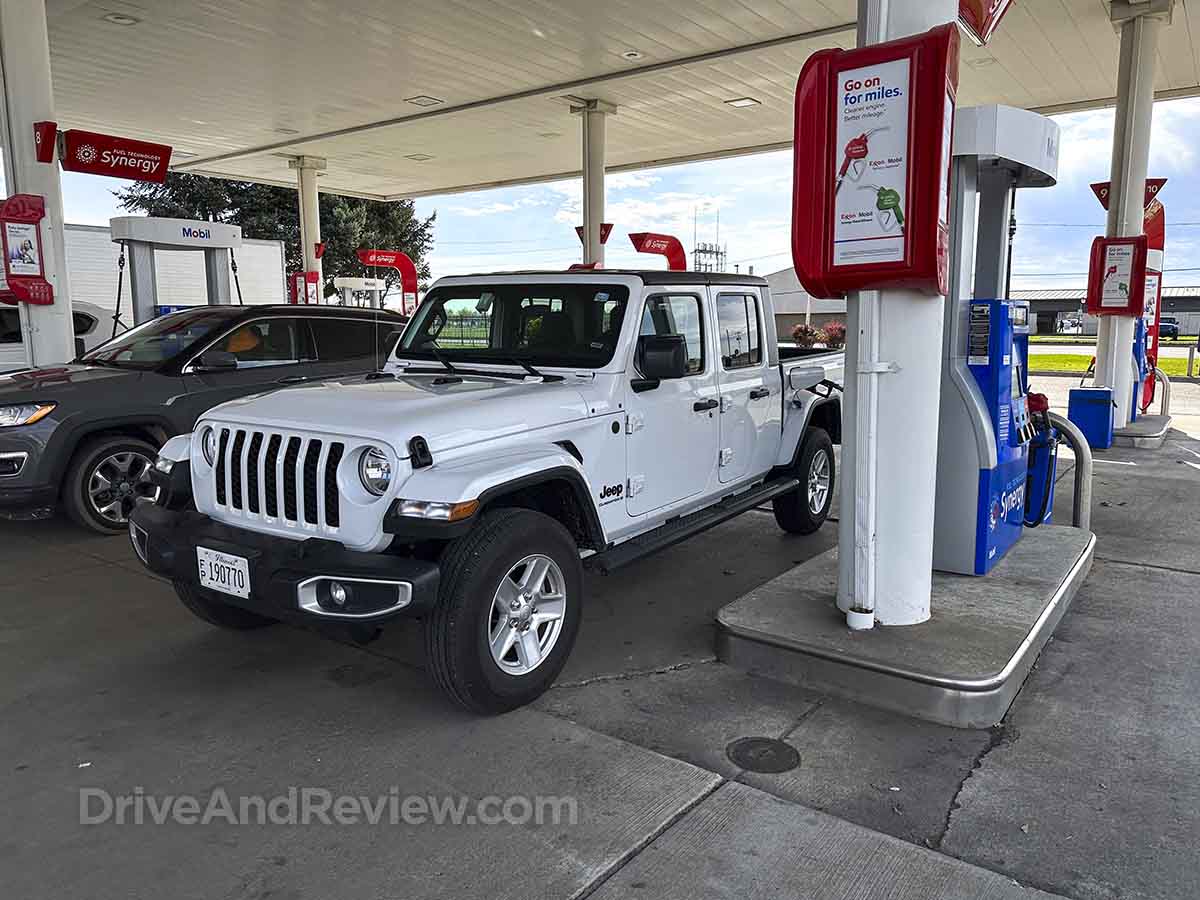
When you own a Jeep Gladiator, knowing the right fuel type is essential. Choosing the wrong gas can lead to engine issues, lower performance, and even void your warranty. Many Gladiator owners, especially first-timers, are unsure about which gas to use. This guide explains exactly what gas the Jeep Gladiator takes, why it matters, and how to make the best choice for your truck’s long-term health.
Jeep Gladiator Engine Options
The Jeep Gladiator comes with different engine choices. Each engine has its own fuel needs.
Understanding what’s under your hood is the first step.

| Model Year | Engine Type | Fuel Required |
|---|---|---|
| 2020-2024 | 3.6L V6 (Gasoline) | 87 Octane Regular Unleaded |
| 2021-2023 | 3.0L V6 EcoDiesel | Ultra-Low Sulfur Diesel |
Most Gladiators on the road use the 3.6L V6 gasoline engine. The 3.0L EcoDiesel is less common but offers more torque for towing and off-road driving.
What Gas Does A Jeep Gladiator Take?
For the 3.6L V6 gasoline engine, Jeep recommends regular unleaded gasoline with an octane rating of 87. Higher-octane gas is not required, and using premium gas will not increase performance or fuel economy.
If your Gladiator has the 3.0L EcoDiesel, it must use ultra-low sulfur diesel fuel. Using gasoline in a diesel engine (or diesel in a gasoline engine) can severely damage the engine.
Octane Ratings Explained
Octane rating measures a fuel’s ability to resist engine knocking. For most drivers, 87 octane is enough. Using higher octane fuel (like 89 or 91) in a Gladiator V6 does not provide benefits. However, using gas with an octane rating lower than recommended can cause knocking and long-term engine damage.
Flex-fuel And E85
Some vehicles can run on E85 (a blend of 85% ethanol and 15% gasoline). The Gladiator is not flex-fuel compatible. Do not use E85 in your Gladiator, as it can damage the engine and fuel system.
Gasoline Vs Diesel: Key Differences
Choosing between the gasoline and diesel Gladiator depends on your needs.
| Feature | Gasoline (3.6L V6) | Diesel (3.0L V6) |
|---|---|---|
| Fuel Type | Regular Unleaded | Ultra-Low Sulfur Diesel |
| Horsepower | 285 hp | 260 hp |
| Torque | 260 lb-ft | 442 lb-ft |
| Mileage (Combined) | 19 mpg | 24 mpg |
The diesel engine offers more torque and better fuel economy, especially for towing. But diesel fuel can be more expensive and harder to find in some areas.
How To Find The Right Gas
Always check your owner’s manual or the sticker inside your fuel door. Jeep clearly lists the correct fuel type. If you are unsure, ask your dealer or a certified mechanic.
Here’s a quick way to check:
- Open the fuel door.
- Look for a label showing “Unleaded Gasoline Only – 87 Octane Minimum” or “Diesel Fuel Only”.
- If you see “Diesel Fuel Only”, do not use gasoline.
What Happens If You Use The Wrong Fuel?
Putting gasoline in a diesel Gladiator (or vice versa) can cause big problems:
- Engine won’t start or runs poorly
- Damage to fuel system and injectors
- Expensive repairs (often not covered by warranty)
If you make this mistake, do not start the engine. Call a professional to drain the tank.
For gasoline Gladiators, using a higher octane than 87 is safe but unnecessary. Using a lower octane or E85 can cause knocking, lower power, and possible engine damage.
Fuel Additives And Tips
Most Jeep Gladiators do not need fuel additives for normal driving. However, if you use lower-quality gas or drive in very cold weather, you may consider:
- Using a fuel stabilizer before long-term storage
- Adding a diesel anti-gel additive for EcoDiesel models in winter
Always follow Jeep’s recommendations for additives. Some products can do more harm than good.
How To Save On Fuel With Your Gladiator
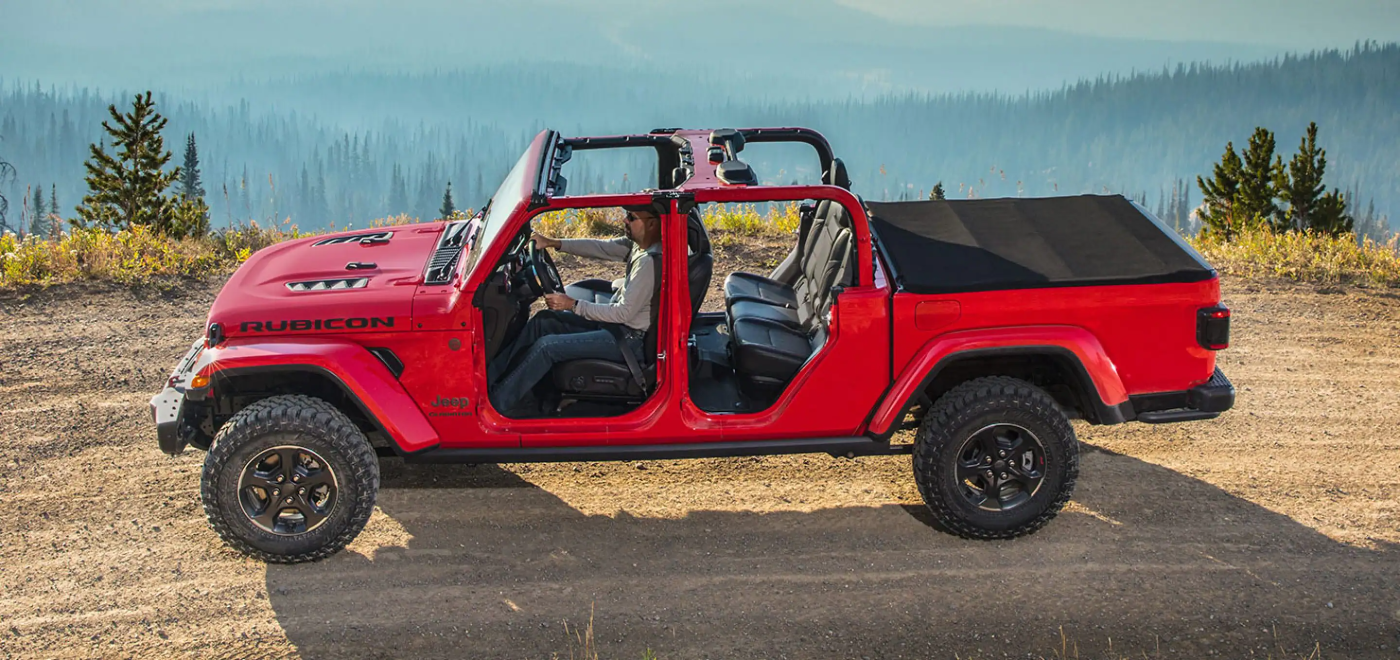
Fuel costs add up, especially with a truck like the Gladiator. Here are a few tips for better gas mileage:
- Keep your tires at the correct pressure.
- Remove heavy roof racks or gear when not in use.
- Avoid aggressive acceleration and hard braking.
- Use cruise control on the highway.
- Keep up with regular maintenance (oil changes, air filters).
A well-maintained Gladiator can match or even beat its EPA-rated mileage.
Common Mistakes Jeep Gladiator Owners Make
Many new owners make simple fuel mistakes. Here are two less obvious ones:
- Topping off the tank: When the pump clicks off, stop fueling. Overfilling can damage the evaporative emissions system.
- Ignoring ethanol content: Regular gas can have up to 10% ethanol. Using fuel with higher ethanol (like E15 or E85) can harm your engine.
It’s always best to use Top Tier gasoline if available. This type of gas includes extra detergents that help keep your engine clean.

Fuel Tank Size And Range
Knowing your fuel tank size helps with planning road trips and off-road adventures.
| Engine | Fuel Tank Capacity | Typical Range (Miles) |
|---|---|---|
| 3.6L V6 | 22 gallons | ~400 miles |
| 3.0L EcoDiesel | 22 gallons | ~500 miles |
These numbers are based on average driving. Real-world range may vary with speed, load, and driving style.
Frequently Asked Questions
Premium gas will not harm your Gladiator if you have the 3. 6L V6.
However, it will not improve power or fuel economy. You are simply paying more for no benefit.
Can I Use E85 Or Ethanol-blended Fuel In My Jeep Gladiator?
No. The Gladiator is not designed for E85 or high-ethanol fuels.
Use only regular unleaded with up to 10% ethanol (E10).
How Do I Know If My Gladiator Is A Diesel Model?
Diesel Gladiators have a “Diesel Fuel Only” sticker inside the fuel door. You can also check your engine badge or owner’s manual.
Will Using A Fuel Additive Help My Gladiator Run Better?
For most drivers, additives are not needed if you use quality gas. In cold climates, a diesel anti-gel additive may help EcoDiesel engines. Always follow Jeep’s advice.
Where Can I Find More Details About Jeep Gladiator Fuel Recommendations?
For the latest and most detailed information, visit the official Jeep Owners Manual page.
Owning a Jeep Gladiator is all about adventure and capability. Using the right fuel is a simple way to keep your truck running at its best no matter where the road takes you.