The Willys Jeep is a legendary vehicle, known for its ruggedness and role in World War II. Many people are curious about the engine that powered this iconic machine.
If you want to know what engine is in a Willys Jeep, you’ll find clear answers here. We’ll look at the original engines, their specifications, and how they compared to other engines of the era.
You’ll also discover some interesting facts and common questions about Willys Jeep engines.
The Original Willys Jeep Engine
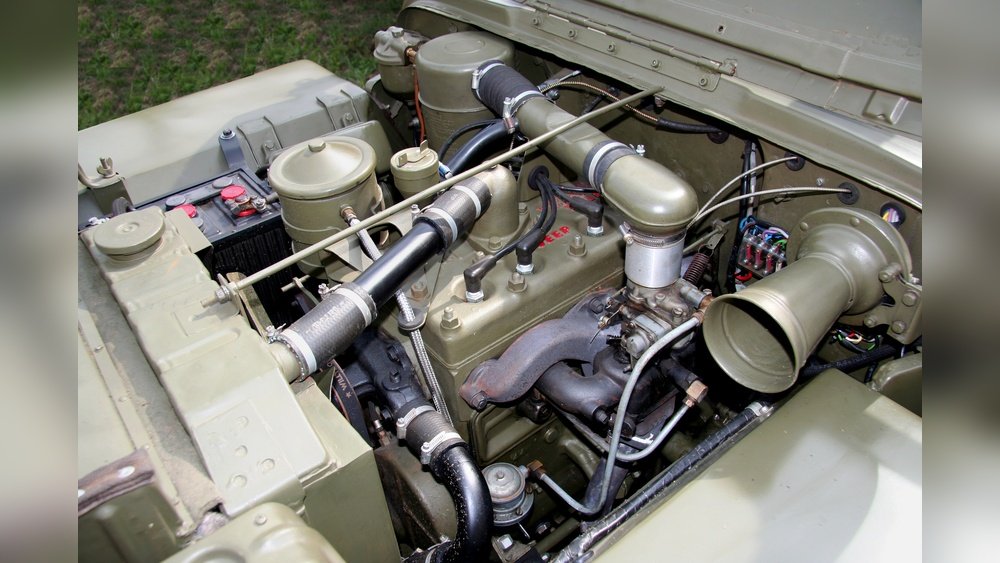
The earliest Willys Jeeps, especially the Willys MB, used a very special engine. This engine was nicknamed the Go Devil. It played a huge part in the Jeep’s success during the war.
Engine Specifications
The Go Devil engine is a four-cylinder, inline engine. Here are its main details:
- Displacement: 134.2 cubic inches (2.2 liters)
- Horsepower: 60 hp at 4,000 rpm
- Torque: 105 lb-ft at 2,000 rpm
- Compression ratio: 6.48:1
- Fuel system: Single-barrel Carter carburetor
This engine was simple, reliable, and easy to fix. Soldiers could repair it in the field with basic tools. The engine was water-cooled and used a side-valve (flathead) design. It was not powerful by today’s standards, but it was perfect for the lightweight Jeep.
Why Was The Go Devil Engine Special?
The Go Devil engine was chosen for several reasons:
- Durability: It could run in harsh conditions with little maintenance.
- Simplicity: Few moving parts meant fewer breakdowns.
- Efficiency: Good fuel economy for long missions.
- Performance: Enough torque to handle rough terrain and hills.
Most people don’t realize that the Go Devil engine was adapted from Willys’ earlier passenger car engines. Willys improved it to meet strict military requirements.
The engine was tested for thousands of hours before being accepted by the U. S.
Army.
Comparison: Willys Jeep Vs Other Wwii Engines
It’s helpful to see how the Willys Jeep engine compared to other military vehicles of the time.
| Vehicle | Engine Type | Horsepower | Torque | Displacement |
|---|---|---|---|---|
| Willys MB | Go Devil (I4) | 60 hp | 105 lb-ft | 134.2 cu in |
| Ford GPW | Go Devil (I4) | 60 hp | 105 lb-ft | 134.2 cu in |
| Dodge WC | L6 | 92 hp | 160 lb-ft | 230 cu in |
| Chevrolet G506 | L6 | 83 hp | 170 lb-ft | 235 cu in |
You can see the Willys Jeep engine was smaller and less powerful than some competitors. However, its lighter weight made the Jeep nimble and easier to transport.
Engine Evolution: After The War
After World War II, Willys continued to use the Go Devil engine in civilian Jeeps (CJ series). But soon, new engines appeared.
Willys Hurricane Engine
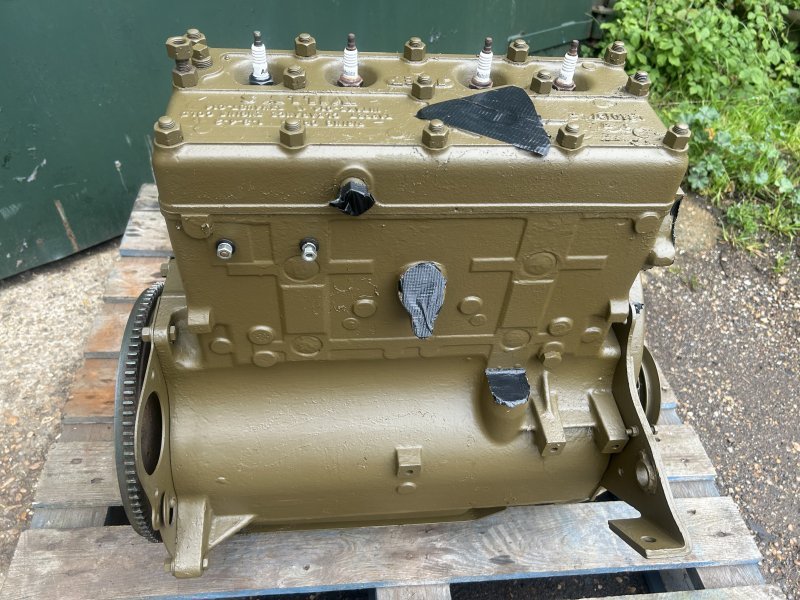
The first major upgrade was the Willys Hurricane (also called F-head). This engine appeared in the early 1950s.
- Displacement: 134.2 cu in (same as Go Devil)
- Horsepower: 75 hp at 4,000 rpm
- Torque: 114 lb-ft at 2,000 rpm
- Compression ratio: 7.5:1
The main difference was the valve design. The Hurricane had intake valves in the head (overhead) and exhaust valves in the block. This improved airflow and power.
| Engine | Years Used | Horsepower | Torque |
|---|---|---|---|
| Go Devil | 1941-1953 | 60 hp | 105 lb-ft |
| Hurricane | 1953-1971 | 75 hp | 114 lb-ft |
Larger Engines In Later Jeeps
Some later Willys Jeeps (like the CJ-3A and CJ-5) could be ordered with larger engines, such as the 148 cu in and 161 cu in inline-six engines. These were mainly for civilian use and offered more power for farm work or towing.
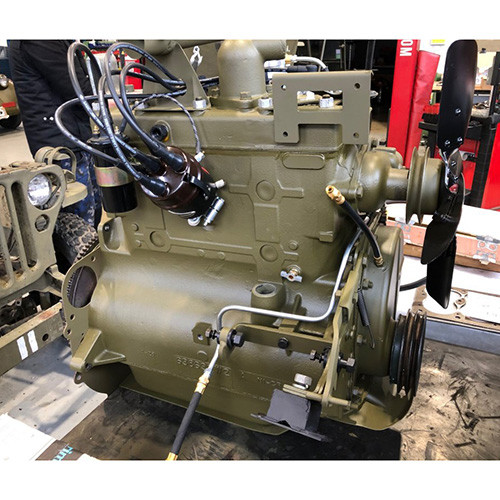
Engine Identification: How To Spot A Willys Jeep Engine
If you see an old Jeep and want to know what engine it has, look for these signs:
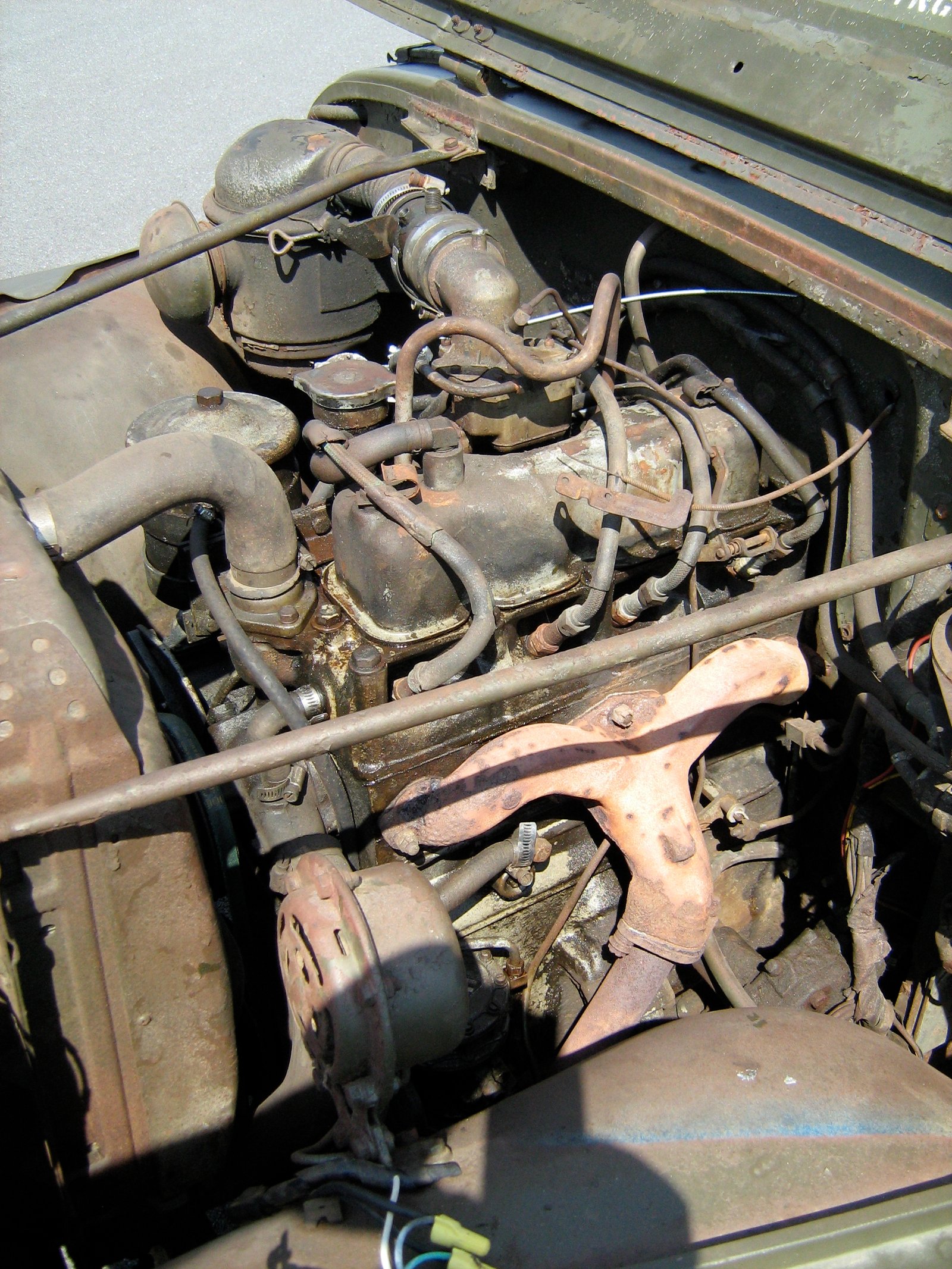
- Go Devil: Flathead design, spark plugs on the side of the block, simple carburetor.
- Hurricane: Overhead intake valves, spark plugs on top, taller valve cover.
- Six-cylinder: Longer block, more spark plugs, usually in later models.
You can also check the engine serial number, usually stamped on the block. This will tell you the exact model and year.
Common Mistakes When Discussing Willys Jeep Engines
Many people confuse the Willys Jeep engine with the Ford GPW engine. Both used the Go Devil, but Ford built their version under license.
Another mistake is thinking all Jeeps had the same engine. In reality, Willys made several changes after the war.
Always check the model and year before making assumptions.
Some believe the Go Devil engine was weak. However, its torque was excellent for off-road use.
Power isn’t everything—torque matters more for climbing and pulling.
Interesting Facts About Willys Jeep Engines
- The Go Devil engine helped the Jeep win the U.S. Army’s competition for a light reconnaissance vehicle. Other companies couldn’t match its reliability.
- Over 600,000 Jeeps were built with the Go Devil engine during WWII.
- The Hurricane engine allowed Jeeps to reach higher speeds and carry heavier loads, making them popular for farmers and rural drivers.
- Both Go Devil and Hurricane engines are still used by hobbyists and restorers today.
For more historical details, you can visit Wikipedia.
Frequently Asked Questions
What Is The Most Common Engine In A Willys Jeep?
The Go Devil four-cylinder is the most common engine found in Willys Jeeps, especially models from 1941 to 1953.
Did Ford Use The Same Engine In Their Wwii Jeeps?
Yes, Ford used the Go Devil engine under license from Willys for their GPW Jeeps. The engines were nearly identical, though some parts were slightly different.
What Is The Difference Between The Go Devil And Hurricane Engines?
The main difference is the valve design. The Go Devil is a flathead (side-valve), while the Hurricane is an F-head with overhead intake valves. The Hurricane also has more horsepower and torque.
Can You Still Find Original Willys Jeep Engines Today?
Yes, many restored Willys Jeeps still use the original engines. Replacement parts are available, and some mechanics specialize in rebuilding these engines.
Are Willys Jeep Engines Good For Off-road Driving?
Absolutely. The high torque of both the Go Devil and Hurricane engines makes them ideal for off-road and climbing steep hills. Their simple design also helps in rough conditions.
The Willys Jeep engine is more than just a piece of machinery—it’s a symbol of endurance and innovation. Whether you’re a collector, a history fan, or just curious, understanding what engine is in a Willys Jeep gives you a new appreciation for this classic vehicle.