Jeep is one of America’s most iconic auto brands, known for its rugged SUVs and off-road vehicles. When people ask, “What engine does Jeep use?
” the answer is not simple. Jeep offers several engine types across different models, each designed for specific needs from powerful performance to fuel efficiency.
Understanding these engines helps buyers choose the right Jeep and explains why Jeep vehicles are so popular worldwide.
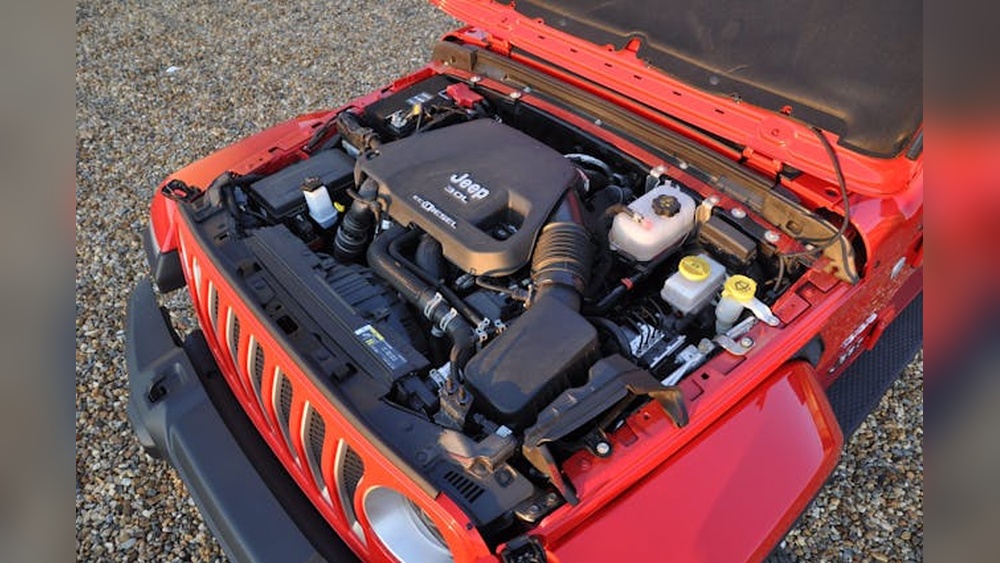
Jeep Engine Types Explained
Jeep uses a variety of engines, ranging from inline-four to V8 and even diesel powertrains. The choice depends on the model and year. Here are the main types:
- Inline-Four: Used for fuel efficiency and lighter models.
- V6: Balances power and economy; common in many Jeeps.
- V8: High-performance option for enthusiasts.
- Turbocharged: Adds power without increasing engine size.
- Diesel: Provides torque for towing and off-road strength.
- Hybrid: Combines fuel and electric power for efficiency.
Each engine brings its own strengths, and Jeep has changed offerings over time. Let’s look at which engines are used in Jeep’s most popular models.
Engines In Popular Jeep Models
Jeep’s lineup includes models like the Wrangler, Grand Cherokee, and Compass. Each model uses engines tailored for its audience.
Wrangler Engines
The Jeep Wrangler is famous for off-road capability. It offers several engines:
- 3.6L Pentastar V6: Delivers 285 hp and 260 lb-ft of torque.
- 2.0L Turbo Inline-4: Offers 270 hp and 295 lb-ft of torque, with better fuel economy.
- 6.4L V8 (Rubicon 392): Provides 470 hp for extreme power.
- 3.0L EcoDiesel V6: Gives 260 hp and 442 lb-ft of torque, ideal for towing.
Grand Cherokee Engines
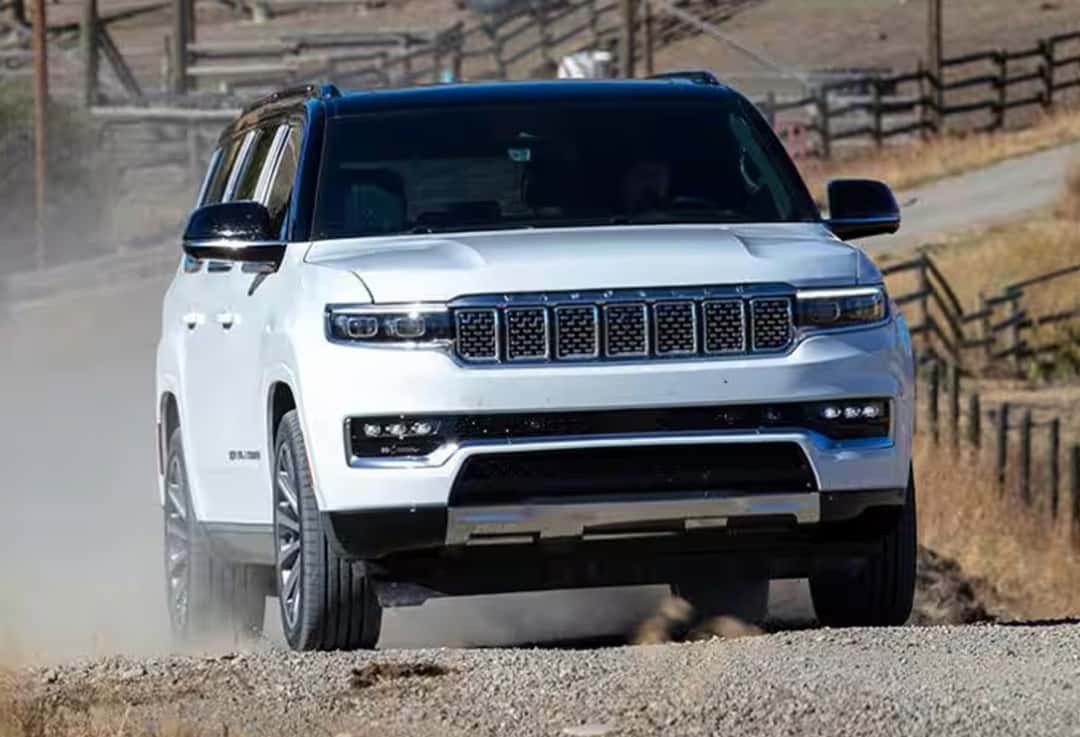
The Grand Cherokee is more upscale, with options for both comfort and power:
- 3.6L V6: Standard, gives 293 hp.
- 5.7L V8: Upgraded, delivers 357 hp.
- 2.0L Turbo Plug-in Hybrid (4xe): Combines gas and electric, total output 375 hp.
- 6.2L Supercharged V8 (Trackhawk): Extreme performance, 707 hp.
Other Models
The Jeep Compass and Renegade use smaller engines for city driving:
- 2.4L Tigershark Inline-4: Standard in Compass, 180 hp.
- 1.3L Turbo Inline-4: Renegade, 177 hp.
Comparison Of Jeep Engine Options
To help you see the differences, here’s a comparison of Jeep engines used in the Wrangler and Grand Cherokee:
| Engine | Horsepower | Torque (lb-ft) | Fuel Type | Model |
|---|---|---|---|---|
| 3.6L Pentastar V6 | 285 | 260 | Gasoline | Wrangler, Grand Cherokee |
| 2.0L Turbo Inline-4 | 270 | 295 | Gasoline | Wrangler, Grand Cherokee |
| 5.7L V8 | 357 | 390 | Gasoline | Grand Cherokee |
| 6.4L V8 | 470 | 470 | Gasoline | Wrangler |
| 3.0L EcoDiesel V6 | 260 | 442 | Diesel | Wrangler |
| 2.0L Hybrid (4xe) | 375 | 470 | Hybrid | Grand Cherokee |
Why Jeep Uses Different Engines
Jeep’s engine choices are based on performance needs, market demands, and fuel efficiency. Here are three reasons for variety:
- Off-Road Capability: Engines with high torque, like the diesel and V8, help Jeeps climb hills and tackle rough terrain.
- Fuel Economy: Smaller engines and hybrids attract buyers who want to save money on gas.
- Performance: Enthusiasts want strong engines for fast acceleration and towing.
An insight many beginners miss is that Jeep’s engine selection is not just about power. For example, the hybrid engines (like in the 4xe) offer quiet driving and instant torque, making them ideal for both city and outdoor adventures.

Jeep Engine Reliability And Maintenance
Jeep engines are built for durability, but reliability depends on maintenance and driving habits. The Pentastar V6 is known for lasting over 200,000 miles with regular oil changes. Diesel engines need special attention, like quality fuel and regular filter changes.
A common mistake is ignoring oil change intervals. Jeep engines, especially turbocharged ones, require timely oil service to avoid early wear.
Here’s a quick look at Jeep engine maintenance costs:
| Engine Type | Annual Maintenance Cost ($) | Common Service Needed |
|---|---|---|
| Pentastar V6 | 500-700 | Oil, spark plugs, coolant |
| EcoDiesel V6 | 700-900 | Oil, fuel filter, DEF fluid |
| Turbo Inline-4 | 600-800 | Oil, air filter, turbo check |
| Hybrid | 500-750 | Battery check, oil, coolant |
Jeep’s Engine Technology And Innovations
Jeep invests in engine technology to stay ahead. For example, the 4xe hybrid uses regenerative braking to charge its battery, improving efficiency. The Pentastar V6 features variable valve timing for better power and fuel savings.
Another insight: Jeep’s turbocharged engines use direct injection, which helps deliver high power from a smaller engine. This is why the 2.0L turbo feels powerful even though it’s not a large engine.
Jeep also adapts engines for regional markets. Outside the US, you might find diesel engines more common, especially in Europe where fuel prices are higher.
For more technical details and up-to-date specs, visit the official Jeep website: Jeep Official Site.
Frequently Asked Questions
What Is The Most Common Engine In Jeep Vehicles?
The 3.6L Pentastar V6 is the most common Jeep engine. It’s used in the Wrangler, Grand Cherokee, and Gladiator, offering a balance of power and efficiency.
Does Jeep Offer Diesel Engines?
Yes, Jeep offers diesel engines like the 3.0L EcoDiesel V6. Diesel is popular for towing and off-road strength, mainly in the Wrangler and Gladiator.
Are Jeep Hybrid Engines Reliable?
Jeep’s hybrid engines (like the 4xe) are reliable if maintained properly. The technology is new but based on proven systems. Regular battery checks are important.
Which Jeep Engine Is Best For Off-roading?
The 6.4L V8 in the Wrangler Rubicon 392 and the 3.0L EcoDiesel V6 are top choices for off-roading. They provide high torque and strong performance on rough terrain.
How Does Jeep Compare To Other Brands In Engine Technology?
Jeep’s engines are competitive, with strong performance and modern features like turbocharging and hybrid systems. Compared to rivals, Jeep stands out for its balance of off-road ability and everyday usability.
Jeep’s engines are part of what makes the brand unique. Whether you want power, efficiency, or advanced technology, there’s a Jeep engine for you.
Knowing the differences helps you pick the best model for your lifestyle.