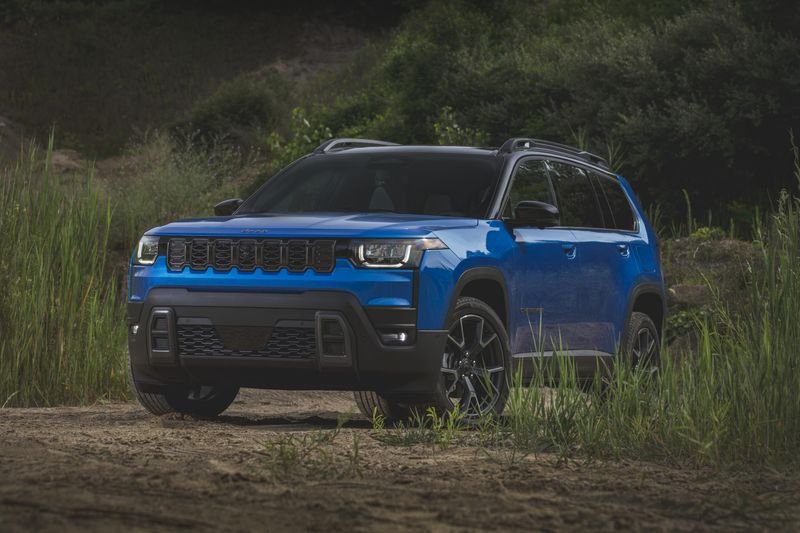
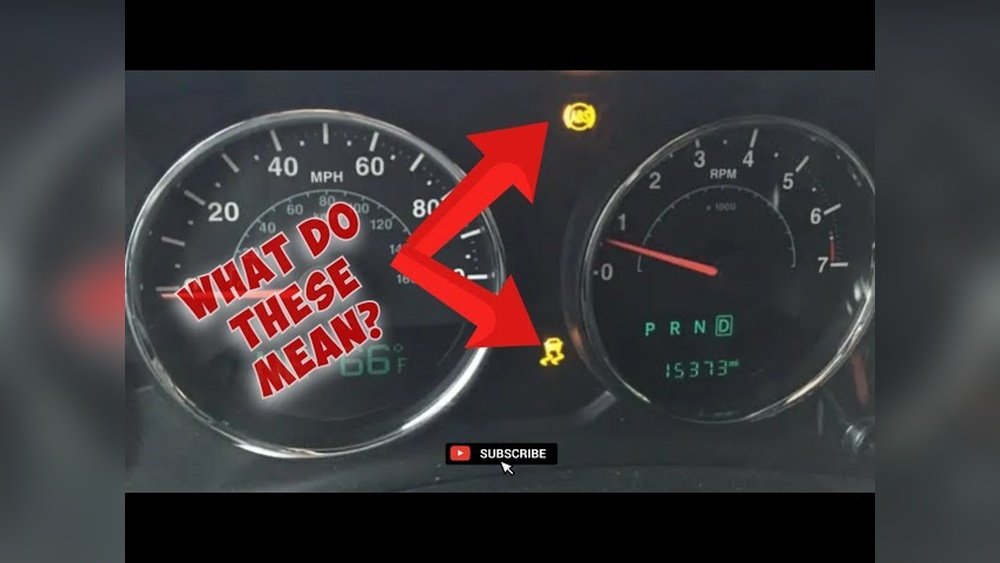
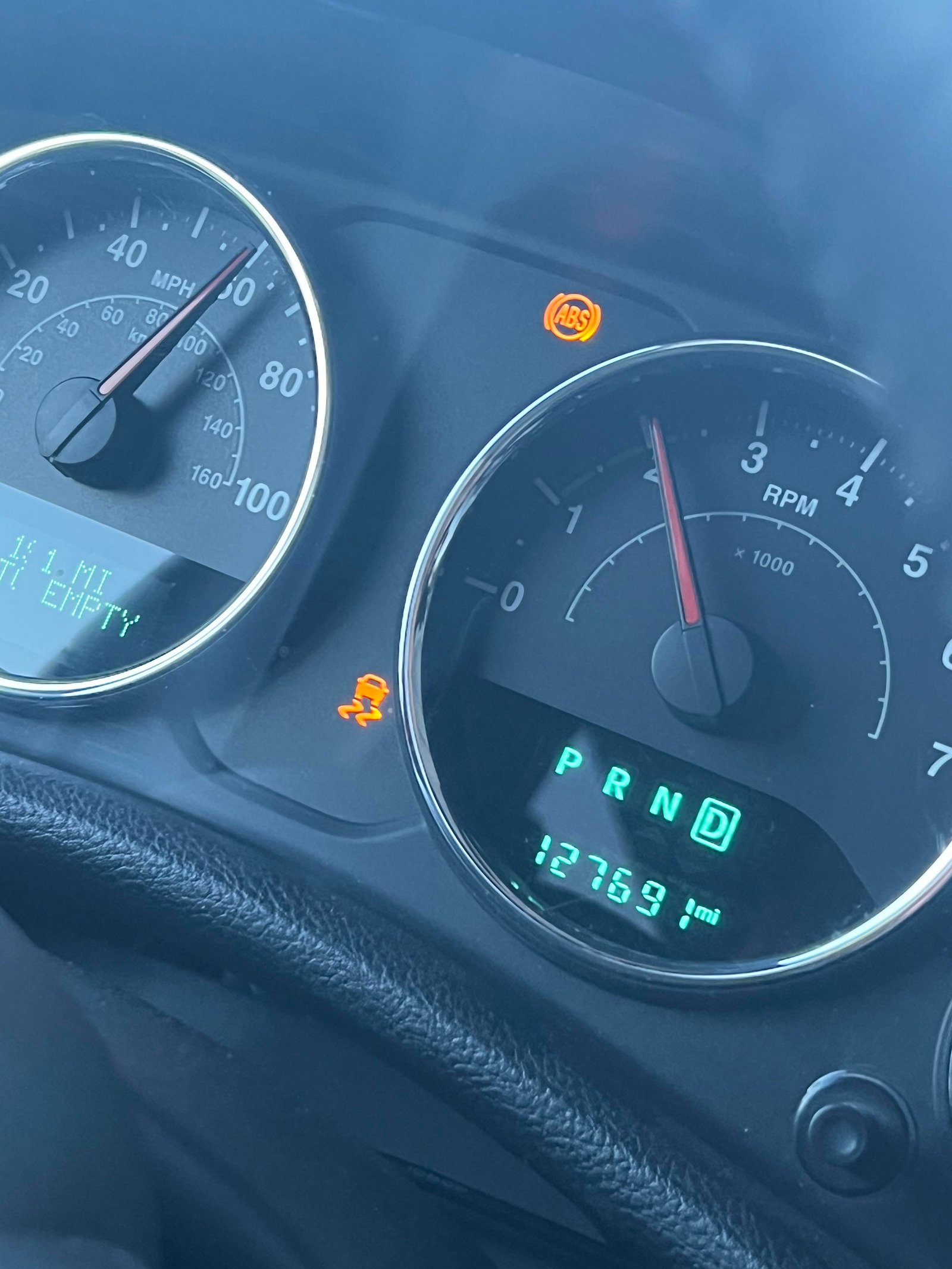
If you’ve noticed the ABS light glowing on your Jeep Wrangler’s dashboard, you’re probably wondering what it means and if it’s something serious.
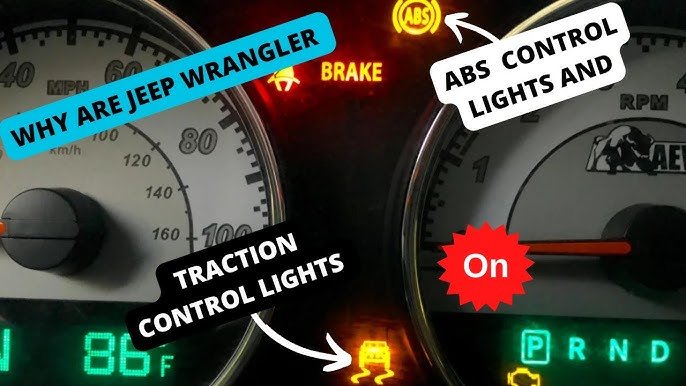
That little warning light isn’t just there to confuse you—it’s your Jeep’s way of telling you there might be an issue with your braking system or traction control.
Ignoring it could put your safety at risk, but don’t worry. You’ll learn exactly what the ABS light means, the most common reasons it comes on, and simple steps you can take to diagnose and fix the problem.
Keep reading to make sure your Jeep stays safe and ready for your next adventure.
Abs Light Basics
The ABS light on a Jeep Wrangler can signal issues beyond brakes. Steering and battery problems often affect the ABS system’s performance. These parts play a key role in maintaining traction and stability. Understanding their impact helps identify why the ABS light turns on.
Uncentered Steering Wheel Effects
An uncentered steering wheel confuses the ABS system. The vehicle’s computer sees uneven wheel speeds as slipping.
This triggers the ABS light to warn of traction problems. Misalignment after lifting or suspension work often causes this issue.
Correcting the steering wheel position can turn off the ABS light.
Battery Health And Connections
The ABS system depends on stable electrical power from the battery. A weak or failing battery causes voltage drops.
These drops can falsely trigger the ABS warning light. Loose or corroded battery terminals reduce power flow.
Checking battery condition and tightening connections often fixes ABS light problems.
Wheel Speed Sensor Issues
Diagnosing ABS light problems on a Jeep Wrangler starts with understanding the system’s signals. The ABS light activates when the anti-lock brake system detects an issue.
This warning helps keep your brakes working safely. To fix the problem, you need to find the exact cause. Proper diagnosis saves time and money.
Using A Scan Tool
A scan tool reads error codes stored in your Jeep’s computer. These codes point to the ABS problem.
Connect the scan tool to the OBD-II port, usually under the dashboard. The tool will display codes related to sensors, wiring, or the ABS module.
This step quickly narrows down the cause. Many auto parts stores offer free scanning services.
Identifying Faulty Components
Check the wheel speed sensors first. These sensors can get dirty or damaged by mud and debris.
Inspect the wiring for cuts or loose connections. Look for signs of wear or corrosion at the sensor plugs.
A faulty sensor often triggers the ABS light. Also, examine the ABS module and fuses.
Problems in these parts may cause the light to stay on.
Impact Of Steering And Battery
DIY checks and fixes can help you address the ABS light on your Jeep Wrangler without a trip to the shop. These simple steps often clear issues related to sensors, steering, or battery.
You can save time and money by doing a few quick inspections yourself.
Start with the basics and work your way through the common causes. These fixes do not require special tools and are beginner-friendly.
Keep safety in mind and ensure the vehicle is off and secure before you start.
Cleaning Sensors And Wheels
Wheel speed sensors detect how fast each wheel spins. Dirt, mud, or brake dust can block these sensors.
Clean each sensor carefully with a soft brush and mild cleaner. Also, clean the wheel rims near the sensors.
Avoid harsh chemicals that can damage the sensors. After cleaning, check if the ABS light turns off during driving.
Re-centering Steering Wheel
An off-center steering wheel can confuse the ABS system. This happens after alignments or lift kit installations.
Park your Jeep on a flat surface and straighten the wheels by hand. Make sure the steering wheel points straight ahead.
Tighten the wheel if needed. Drive slowly to see if the ABS light stays off.
Battery Inspection Tips
A weak or loose battery can cause ABS errors. Open the hood and check the battery terminals for corrosion or looseness.
Clean the terminals with a wire brush if corroded. Tighten any loose connections securely.
Use a multimeter to test battery voltage; it should read around 12.6 volts when the engine is off. Replace the battery if voltage is low or unstable.
Wheel Bearing And Hub Assembly
Driving with the ABS light on in your Jeep Wrangler means the anti-lock brake system has a problem. The ABS helps prevent wheel lockup during sudden stops.
Without it, your braking might not work as well on slippery roads. It is important to know how this affects your safety and what to do next.
Safety Risks
The ABS light signals a brake system issue. Your Jeep’s brakes will still work but may not stop as safely.
The wheels could lock during hard braking, causing loss of control. This risk increases on wet, icy, or gravel surfaces.
Emergency stops can become more dangerous. Always drive with extra caution if the ABS light stays on.
Temporary Measures
Check your brake fluid level first. Low fluid can trigger the ABS light.
Avoid harsh braking and keep a safe distance from other vehicles. Drive slower on slick roads.
Have a mechanic inspect the ABS system soon. Use this time to plan repairs, but do not ignore the warning. Staying safe means addressing the problem quickly.
Frequently Asked Questions
Can I Drive My Jeep With The Abs Light On?
You can drive your Jeep with the ABS light on, but braking safety may be compromised. Get it checked promptly.
Is It Expensive To Fix An Abs Light?
Fixing an ABS light usually costs between $100 and $400, depending on the issue and parts needed. Simple sensor cleaning is cheaper, while sensor or module replacement raises costs.
What Is The Most Common Cause Of The Abs Light To Come On?
The most common cause of the ABS light is a faulty or dirty wheel speed sensor. It disrupts brake system data.
What Does The Abs Light Indicate On A Jeep Wrangler?
The ABS light signals an issue with the anti-lock brake system. It often means a faulty wheel speed sensor, damaged wiring, or a problem with the ABS module.
Addressing it promptly ensures your brakes and traction control work correctly.
Conclusion
The ABS light on a Jeep Wrangler signals a braking or traction issue. Common causes include dirty sensors, damaged wiring, or battery problems.
Addressing these quickly helps keep driving safe. Regular checks and maintenance prevent bigger troubles.
Always pay attention when the ABS light turns on.
Your Jeep’s safety depends on it.