When you drive a Jeep, you might notice how steady it feels, even on sharp turns or bumpy roads. Much of this stability comes from a small but important part called the sway bar. This component is sometimes called an anti-roll bar or stabilizer bar. Many Jeep owners hear about sway bars when they talk about off-roading or upgrading suspension, but few truly understand how they work. Let’s explore what a sway bar does for your Jeep, why it matters, and how it affects your driving experience both on and off the road.
What Is A Sway Bar?
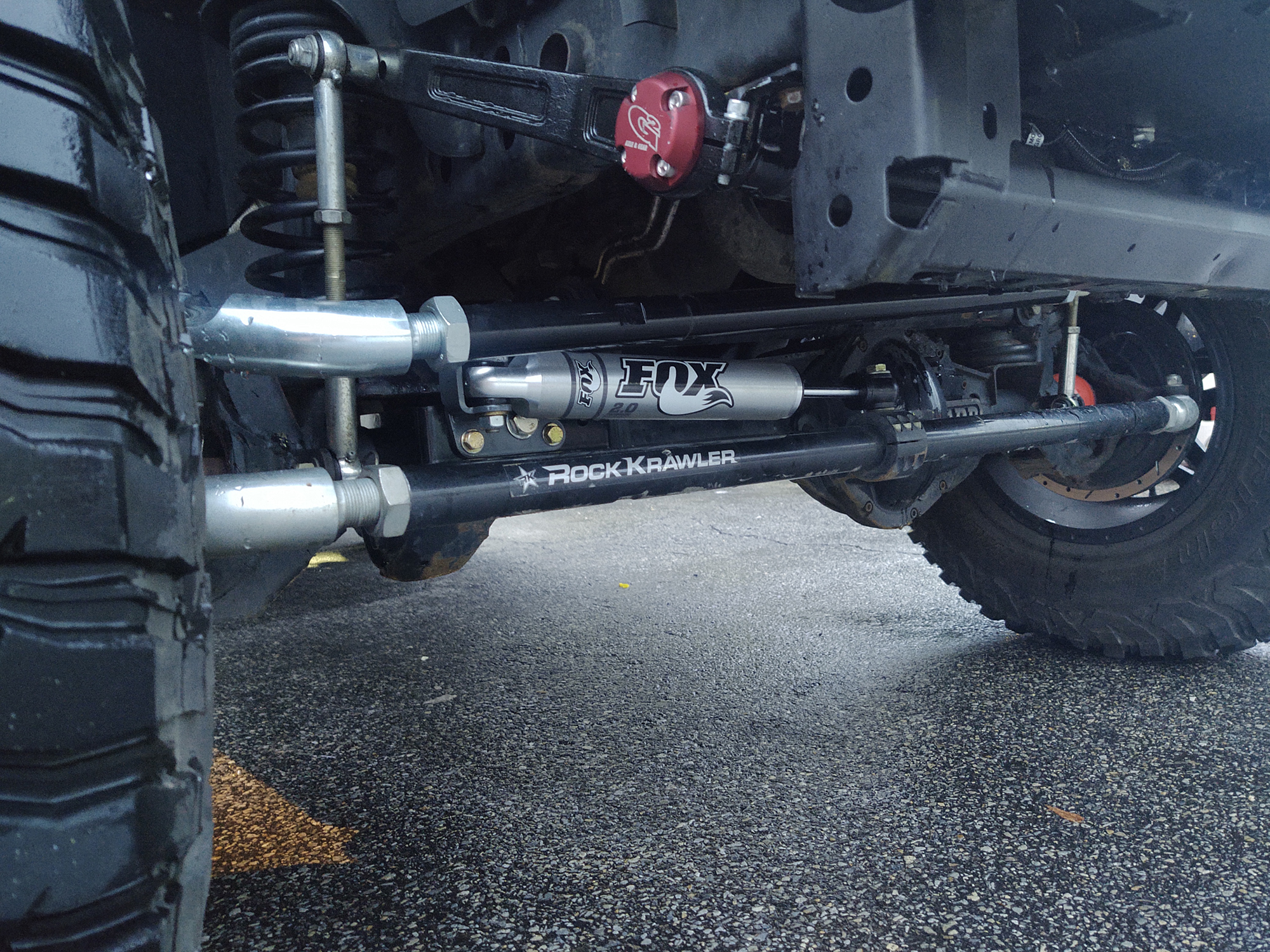
A sway bar is a long, solid metal rod that connects the left and right sides of a vehicle’s suspension. It’s usually mounted to the frame with bushings and links that attach to the control arms. Its main job is to reduce body roll when you turn, making your Jeep feel more secure and balanced.
Here’s a simple example: Imagine you’re making a quick turn. Without a sway bar, your Jeep would lean a lot more to one side. The sway bar acts like a bridge, transferring force from one side of the suspension to the other, helping keep all four wheels on the ground.
How Does A Sway Bar Work On A Jeep?
When your Jeep turns, the body wants to roll away from the direction of the turn. The sway bar resists this rolling motion by twisting. As one wheel moves up, the bar tries to push the opposite wheel down. This action keeps the Jeep more level, making handling safer and more predictable.
For example, if you take a fast left turn:
- The right side of your Jeep wants to compress (go down).
- The left side wants to lift (go up).
- The sway bar connects these movements, balancing the force and reducing the amount the body leans.
This effect is especially helpful in taller vehicles like Jeeps, which are more likely to tip or feel unstable without sway bars.
On-road Benefits Of A Sway Bar
Jeeps are known for their off-road power, but most owners spend a lot of time on regular roads. Here, the sway bar is critical for:
- Stability in Corners: It keeps the Jeep from leaning too much, which can make turns feel dangerous at higher speeds.
- Safer Emergency Maneuvers: If you need to swerve quickly, the sway bar helps keep all tires in better contact with the road.
- Comfort: Less body roll means passengers feel fewer sharp movements in their seats.
Let’s look at a comparison of a Jeep with and without a sway bar during a standard cornering test:
| Condition | Max Body Roll Angle | Driver Comfort |
|---|---|---|
| With Sway Bar | 5 degrees | High |
| Without Sway Bar | 12 degrees | Low |
As you can see, a sway bar cuts body roll by more than half, making your Jeep feel much more planted.
Off-road Impact: Disconnecting The Sway Bar
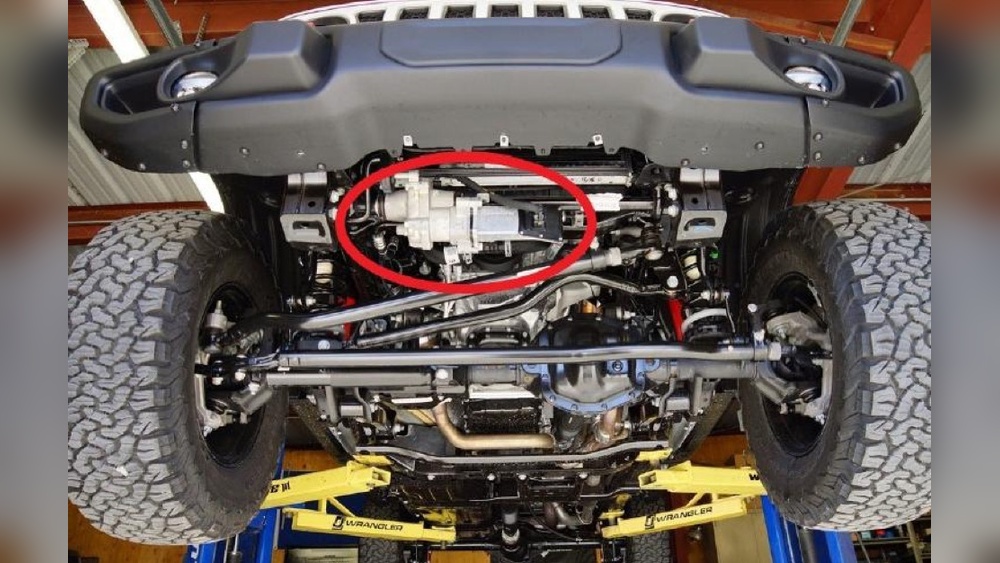
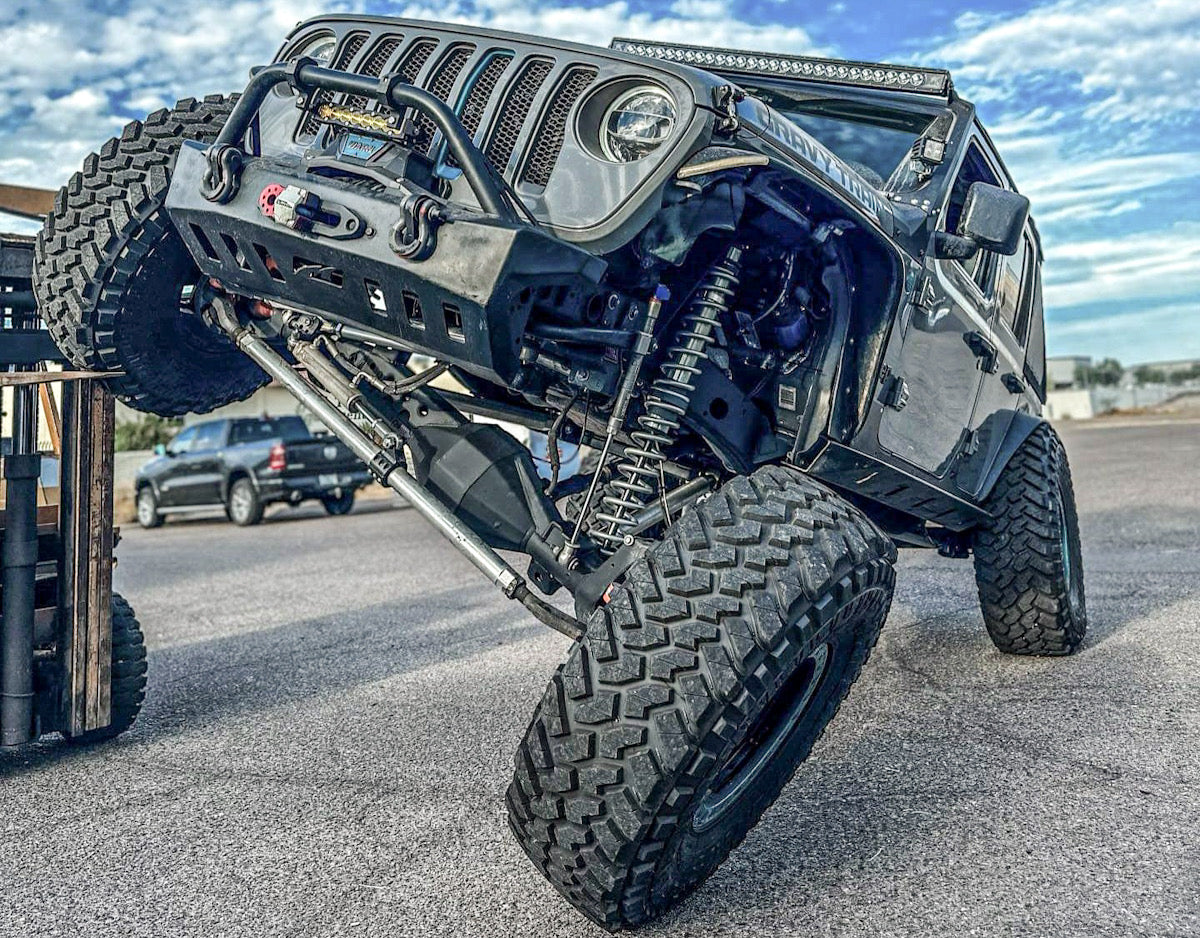
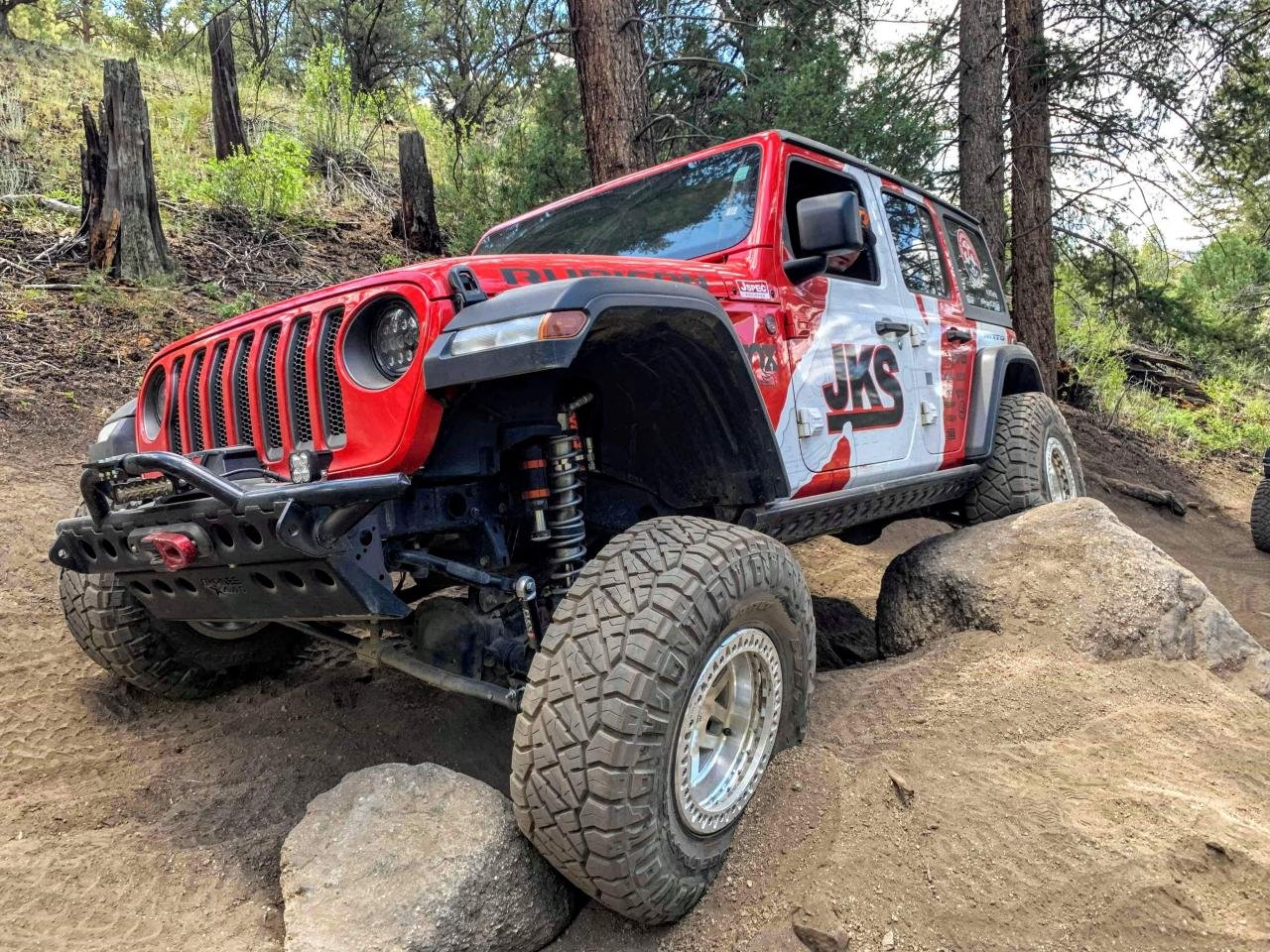
Off-roading changes the rules. Jeep Wranglers and some other models come with a sway bar disconnect feature. Why? Because on rough terrain, you want each wheel to move as freely as possible to keep traction. The sway bar can limit how much your wheels can flex—this is called articulation.
Disconnecting the sway bar allows the front wheels to move up and down more independently. This helps your Jeep climb over large rocks or deep ruts without lifting a wheel off the ground. Here’s a quick comparison:
| Condition | Max Wheel Articulation | Off-Road Traction |
|---|---|---|
| Sway Bar Connected | 8 inches | Medium |
| Sway Bar Disconnected | 14 inches | High |
Most serious off-roaders disconnect the sway bar before tackling trails for maximum grip.
Sway Bar Types And Jeep Models
Not all sway bars are created equal. Jeeps can have different designs, each with their own benefits:
- Solid Sway Bar: Most common, strong, and reliable for daily driving.
- Hollow Sway Bar: Lighter, sometimes used for performance or aftermarket upgrades.
- Electronic Disconnecting Sway Bar: Found in Rubicon models, lets you disconnect the bar with a button from inside the cabin.
Choosing the right type depends on how you use your Jeep. Daily drivers want a strong, connected bar for safety.
Off-road fans prefer a disconnecting system for flexibility.
When To Replace Or Upgrade Your Sway Bar
Sway bars and their links can wear out, especially if you drive on rough roads or off-road often. Signs of a problem include:
- Clunking noises when turning or going over bumps
- Unstable feeling in corners
- Loose steering response
Sometimes, upgrading to a thicker sway bar or heavy-duty links can improve handling, especially if you’ve added bigger tires or a lift kit. However, over-stiffening can make the ride uncomfortable, so balance is key.
One thing beginners often miss: bushings are just as important as the bar itself. Worn bushings can reduce the sway bar’s effectiveness and cause noise. Replacing them is cheap and can restore handling.
Sway Bar Myths And Mistakes
There’s a belief that removing the sway bar makes a Jeep better off-road all the time. In reality, leaving the bar disconnected on pavement is dangerous it increases roll risk and poor handling.
Always reconnect your sway bar before driving on regular roads.
Another common mistake is installing aftermarket sway bars without considering the rest of the suspension system. Not all upgrades are better for every situation.
For most owners, the factory sway bar is a good balance between on-road safety and off-road ability.
Sway Bar Maintenance Tips
Keeping your sway bar in good condition is simple:
- Check for broken or loose end links after tough trails.
- Lubricate bushings if they start to squeak.
- Inspect the bar for rust, especially if you live in a snowy area.
A small issue with your sway bar can become a big problem if ignored, so include it in your regular maintenance checks.
Frequently Asked Questions
What Happens If I Drive My Jeep Without A Sway Bar?
Driving without a sway bar makes your Jeep lean more during turns, which is unsafe at higher speeds. It can feel unstable and increases the risk of tipping, especially in emergency maneuvers.
Can I Disconnect My Sway Bar For Daily Driving?
No, you should only disconnect your sway bar for off-road use. On regular roads, it’s essential for safety and handling. Always reconnect before driving home.
How Do I Know If My Sway Bar Is Broken?
Signs include loud clunks when turning, poor cornering, or a loose, floating feeling in the steering. If you notice these symptoms, inspect your sway bar and links.
Will A Thicker Sway Bar Improve My Jeep’s Handling?
A thicker sway bar can reduce body roll and improve cornering, especially with larger tires or a lift kit. But too stiff a bar can make off-roading worse and reduce ride comfort.
Where Can I Learn More About Jeep Suspension Systems?
For more technical details and Jeep-specific advice, check out the Wikipedia article on anti-roll bars.
A sway bar might seem simple, but it’s a key part of your Jeep’s performance and safety. Understanding how it works helps you get the most from every mile whether you’re on the highway or deep in the woods.