If you drive a Jeep or are considering buying one, you might notice some terms on the dashboard or in the manual that seem confusing.
One term that often puzzles drivers is RTE. If you’ve seen “RTE” on your Jeep’s display and wondered what it means, you’re not alone. Understanding this feature can help you drive more safely and get the most from your vehicle.
What Does RTE Mean In A Jeep?
RTE stands for Route in the context of Jeep vehicles. It is usually found in the vehicle’s navigation or trip computer display. When you see “RTE,” your Jeep is referring to a planned or active route set in the navigation system. This helps drivers follow a specific path to their destination, using GPS data and real-time information.
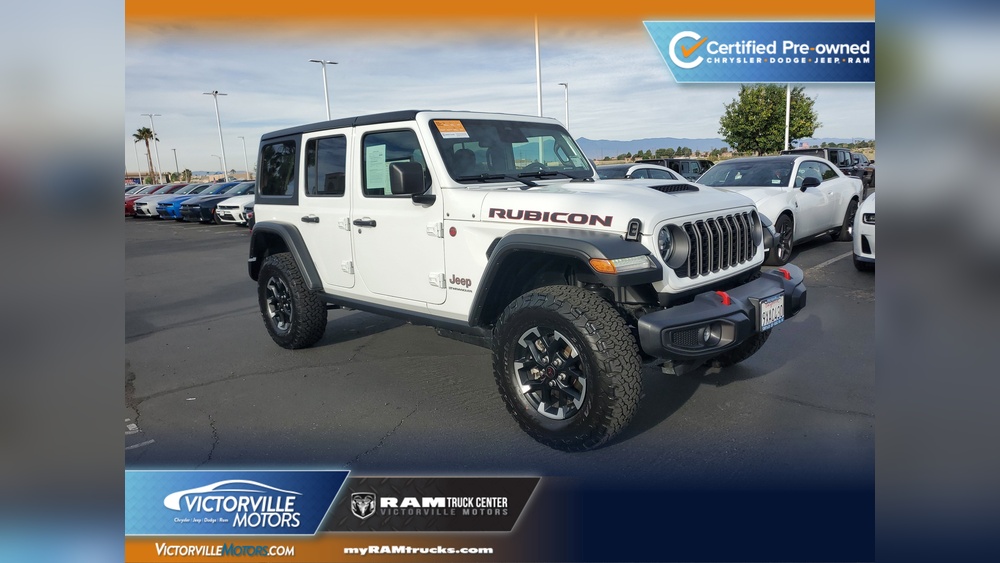
In some models, “RTE” may show up when you set a destination or follow a suggested path. It’s a key part of the Jeep’s infotainment and guidance system, especially in newer models like the Jeep Grand Cherokee, Wrangler, or Compass.
When you input a destination into your Jeep’s GPS, the system calculates a route. The RTE indicator lets you know that a route is active and displays important details such as:
- Distance to destination
- Estimated arrival time
- Next turn or maneuver
This data appears on the dashboard or center screen, allowing you to keep track of your journey without distraction.
Example of RTE in Action
Suppose you enter your workplace address into your Jeep’s navigation. The system finds a route and activates “RTE” mode. Your display might show:
- RTE: 12.5 mi / 25 min
- Next Turn: Left in 0.7 mi
- ETA: 8:30 AM
This makes it easier to stay on track, especially in unfamiliar areas.

Where Is Rte Displayed?
The location of the RTE indicator depends on the Jeep model and year. Common places include:
- Instrument cluster (behind the steering wheel)
- Infotainment touchscreen
- Heads-up display (in higher-end trims)
Here’s a quick comparison of where RTE might appear in popular Jeep models:
| Jeep Model | RTE Display Location | Navigation System |
|---|---|---|
| Grand Cherokee | Instrument cluster & Touchscreen | Uconnect 5 NAV |
| Wrangler | Touchscreen | Uconnect 4C NAV |
| Compass | Instrument cluster | Uconnect 4 NAV |
Why Rte Matters For Jeep Owners
The RTE feature makes driving more convenient and safer. Here’s why:
- Clear Guidance: It gives you step-by-step navigation, reducing the risk of getting lost.
- Safety: You can keep your eyes on the road because the display is easy to read.
- Efficiency: The system often suggests the fastest or most efficient route, saving fuel and time.
- Off-Road Navigation: In Jeeps with off-road capabilities, RTE can help you stay on specific trails or paths.
Common Misunderstandings About RTE
Many Jeep owners confuse RTE with other dashboard indicators. Here are some common mistakes:
- Mistaking RTE for Warning Lights: RTE is not a warning or error message. It’s just information about your route.
- Thinking RTE is Always Active: RTE only appears when you set a route. If you’re not using navigation, you won’t see it.
- Confusing RTE With Trip Data: Trip data (like trip A/B) shows distance driven, not route guidance.
Understanding these differences can help you use your Jeep’s technology better.
How To Use RTE Effectively
To get the most from RTE, follow these tips:
- Set Your Destination Before Driving: Input your address or point of interest while parked.
- Update Your Maps: Make sure your navigation system has the latest maps for accurate routes.
- Pay Attention to Prompts: Follow the turns and instructions shown in RTE mode.
- Adjust for Off-Road Use: If you’re off-roading, check if your Jeep’s system has trail maps or off-road RTE options.
Many drivers overlook the importance of updating their navigation maps. Outdated maps can lead to incorrect routes or missing roads.
Also, RTE can sometimes re-route you if traffic conditions change, so keep an eye on the display.
Rte And Off-road Adventures
Jeep is famous for off-road driving. Some advanced navigation systems in Jeeps offer off-road RTE features. These can include:
- Trail mapping: Shows pre-loaded off-road trails.
- Breadcrumb tracking: Records your path so you can return the same way.
- Elevation and terrain info: Helps you understand the landscape.
Here’s a quick look at the differences between standard and off-road RTE:
| Feature | Standard RTE | Off-Road RTE |
|---|---|---|
| Maps | Streets & highways | Trails & unpaved roads |
| Navigation Data | Turn-by-turn | Trail guidance & markers |
| Terrain Info | Basic | Elevation, terrain type |
If you’re planning off-road trips, check if your Jeep supports these features. They can make a big difference in remote areas.
Rte Vs. Other Jeep Dashboard Abbreviations
It’s easy to mix up RTE with other dashboard codes. Here are some you might see:
- ODO: Odometer (total miles driven)
- TRIP: Trip meter (miles since last reset)
- AVG: Average fuel economy
- TPMS: Tire Pressure Monitoring System
A quick comparison can help you remember what’s what:
| Abbreviation | Meaning | When It Appears |
|---|---|---|
| RTE | Route active | Navigation in use |
| ODO | Total mileage | Always visible |
| TRIP | Trip mileage | After reset |
| AVG | Average MPG | During trips |
Knowing these terms can prevent confusion and help you use your Jeep’s features confidently.
Frequently Asked Questions
What Does Rte Mean On My Jeep’s Dashboard?
RTE means there is an active route in your Jeep’s navigation system. It shows that you are following a set path to a destination.
Does Rte Mean Something Is Wrong With My Jeep?
No, RTE is not a warning light. It simply shows that you’re using the navigation system to follow a route.
Yes, some Jeep models support off-road RTE features, providing trail maps and guidance for outdoor adventures. Check your model’s navigation options.
How Do I Activate RTE In My Jeep?
Enter a destination in your Jeep’s navigation system. When the route is set, RTE will appear on the display.
You can find more details in your owner’s manual or visit Jeep Uconnect for information about Jeep’s navigation systems.
Jeep’s RTE feature is designed to make your driving experience smoother, whether you’re heading to work or exploring trails. By understanding what RTE means and how to use it, you can travel with more confidence and less stress.


















