When Jeep owners talk about upgrades, regearing is a term that comes up often. But what does regearing a Jeep actually do?
If you’re new to off-roading or just want your Jeep to perform better, understanding regearing is important. This guide explains how it works, why it matters, and how it affects your Jeep’s real-world performance.
What Is Regearing?
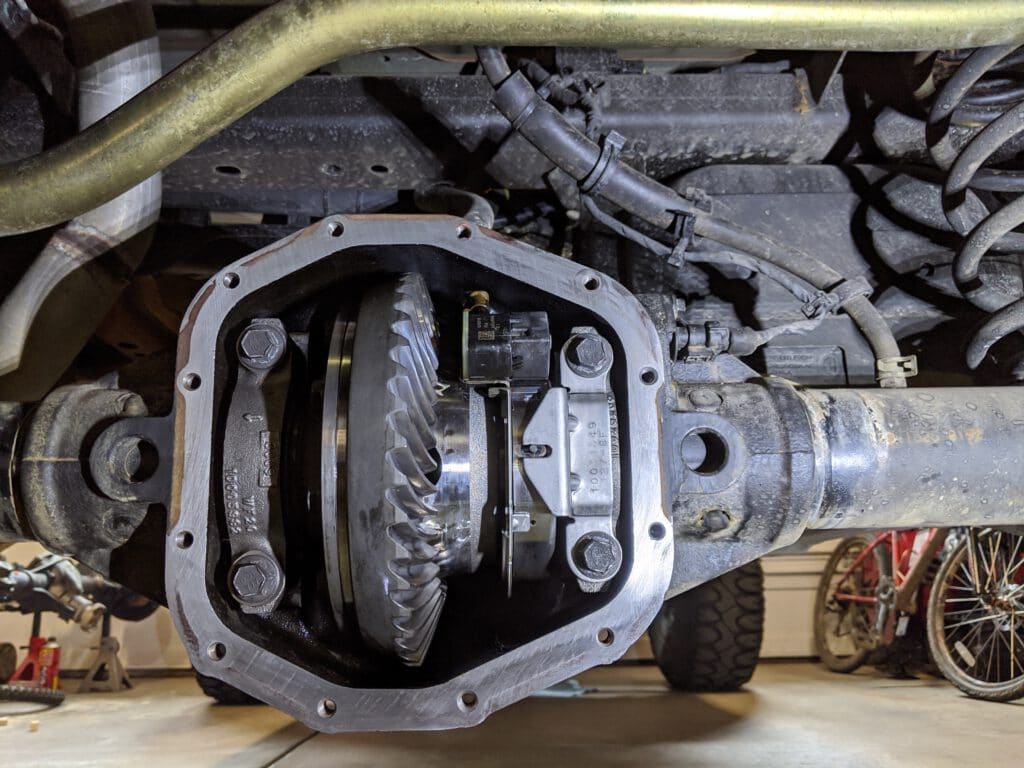
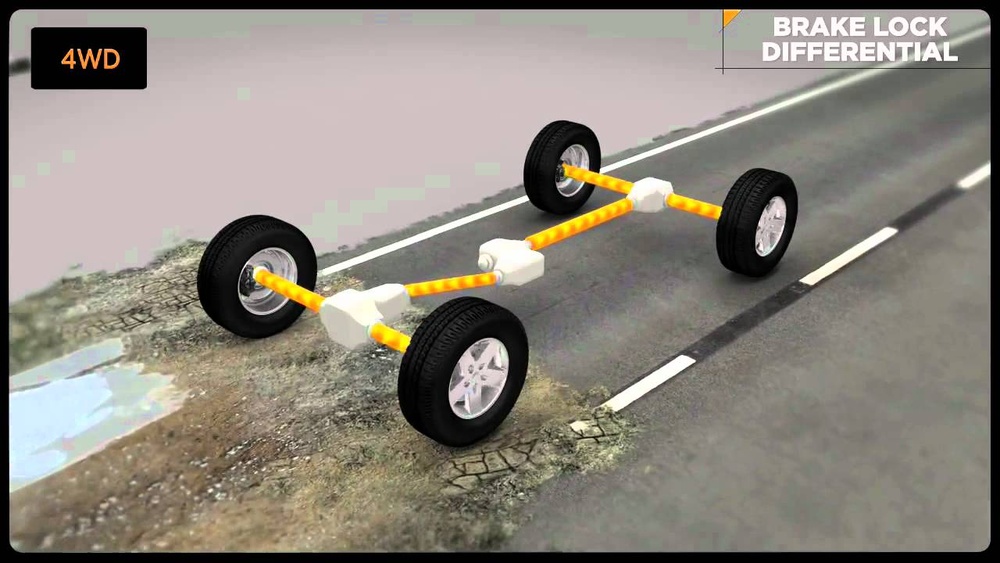
Regearing means changing the differential gear ratio in your Jeep. The differential gears control how power from the engine turns the wheels. The “gear ratio” is a number that shows how many times the driveshaft turns for each wheel rotation. For example, a 3.73 ratio means the driveshaft spins 3.73 times for every full turn of the wheel.
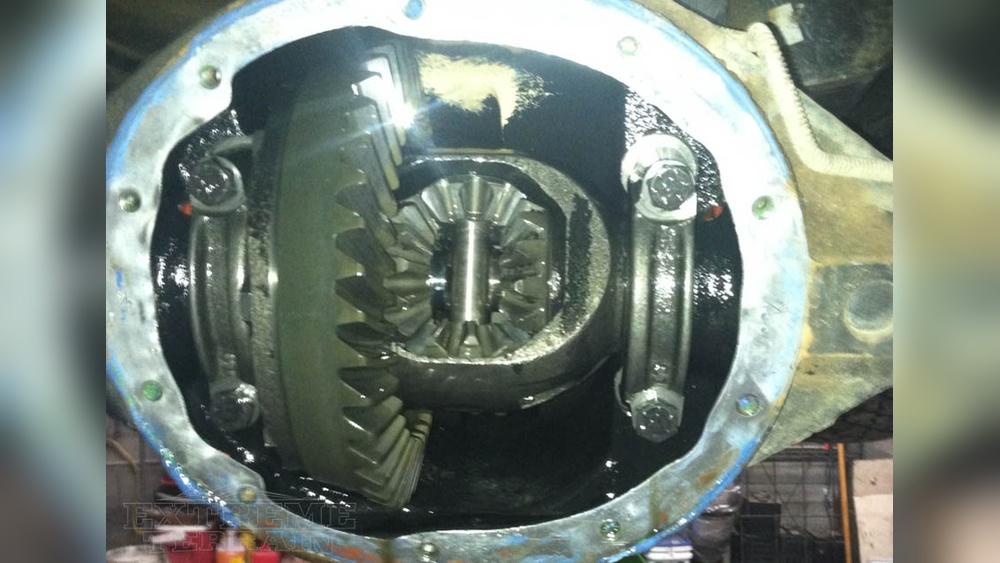
Most factory Jeeps have gear ratios that work well for stock tires and normal driving. But when you add bigger tires, heavy accessories, or tow more weight, the original gears may not be enough. Regearing helps restore lost power, torque, and efficiency.
Why Do Jeeps Need Regearing?
Changing tire size is the main reason people regear. Stock Jeeps often come with tires around 30 inches. Off-roaders usually upgrade to 33, 35, or even 37-inch tires. Bigger tires make the wheels harder to turn, so the engine must work harder.
Here’s why regearing matters:
- Restores lost torque: Bigger tires reduce torque at the wheels. Regearing brings it back.
- Improves acceleration: The Jeep feels less sluggish after regearing.
- Better fuel economy: The engine doesn’t strain as much, so gas mileage improves.
- Protects transmission: Right gears reduce stress, helping parts last longer.
Below is a simple comparison showing how tire size affects gear ratio needs:
| Tire Size (inches) | Recommended Gear Ratio |
|---|---|
| 30 | 3.73 |
| 33 | 4.10 |
| 35 | 4.56 |
| 37 | 5.13 |
How Regearing Changes Performance
Power And Torque
When you change gears, you adjust how much power goes to the wheels. A lower gear ratio (like 4.56) increases torque. This helps in off-roading, climbing hills, and towing.
Speed And Rpm
Regearing also affects engine speed (RPM) at certain speeds. For example, with bigger tires and stock gears, the RPM drops too low, making the Jeep sluggish. With the right gears, the RPM matches the engine’s power band.
Here’s a table comparing RPM at 60 mph for different gear ratios:
| Gear Ratio | RPM at 60 mph |
|---|---|
| 3.73 | 1800 |
| 4.56 | 2200 |
| 5.13 | 2500 |
Fuel Economy
Many people worry regearing will hurt gas mileage. In fact, with the right gears, your Jeep uses less fuel because the engine doesn’t struggle. For example, a Jeep with 35-inch tires and stock 3. 73 gears may get 14 mpg.
After regearing to 4. 56, it can reach 17 mpg on the highway.
Signs Your Jeep Needs Regearing
- Poor acceleration: The Jeep feels slow, especially after adding bigger tires.
- Low fuel economy: Gas mileage drops noticeably.
- Transmission issues: The transmission “hunts” for gears or shifts often.
- Weak towing power: The Jeep struggles to tow loads.
- RPM mismatch: Engine RPM is too low or too high at highway speeds.
Many beginners miss that regearing is not just for off-roaders. Even city drivers with bigger tires can benefit from better performance and efficiency.
Regearing Costs And Process
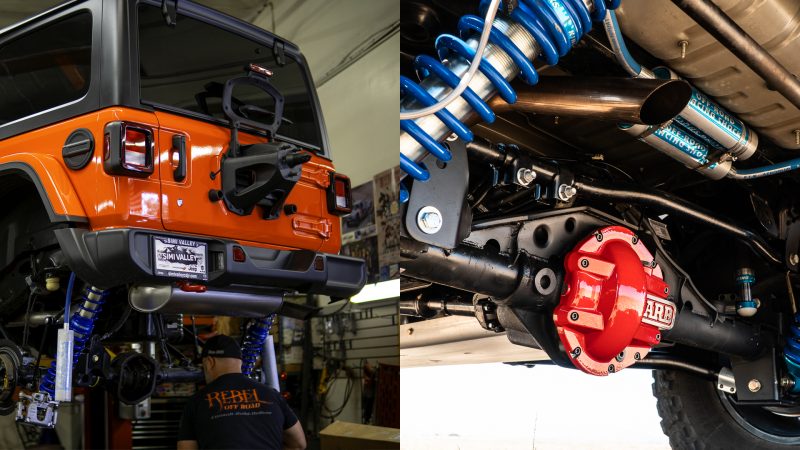
Regearing is a complex job. It involves removing the axles, opening the differentials, and installing new gears.
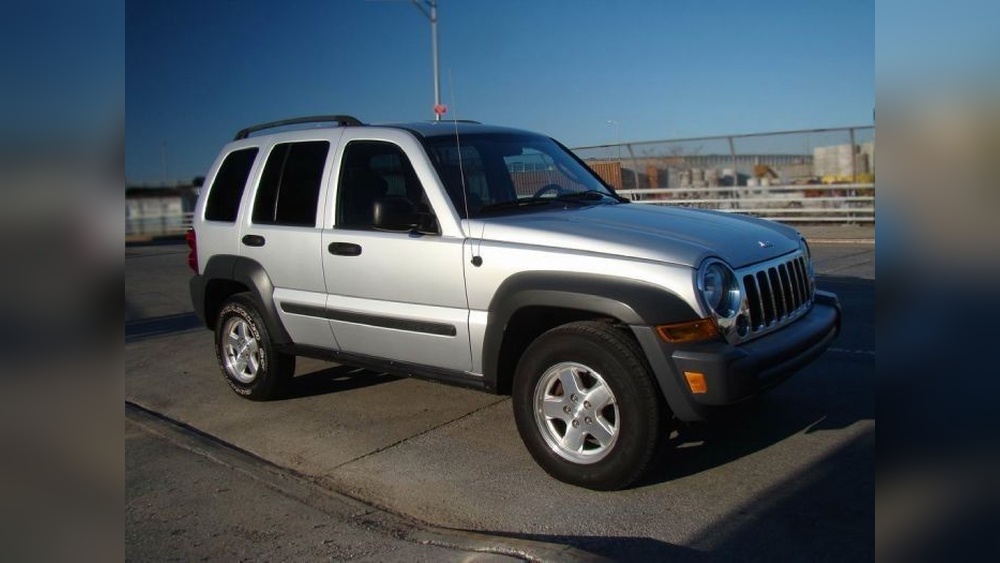
Most shops charge $1,000 $2,000 for both axles, including parts and labor. The price depends on your Jeep model, gear choice, and whether you have special axles like Dana 44.
Here’s a quick comparison of gear installation costs:
| Jeep Model | Estimated Cost (Both Axles) |
|---|---|
| Wrangler JK | $1,500 |
| Wrangler JL | $1,800 |
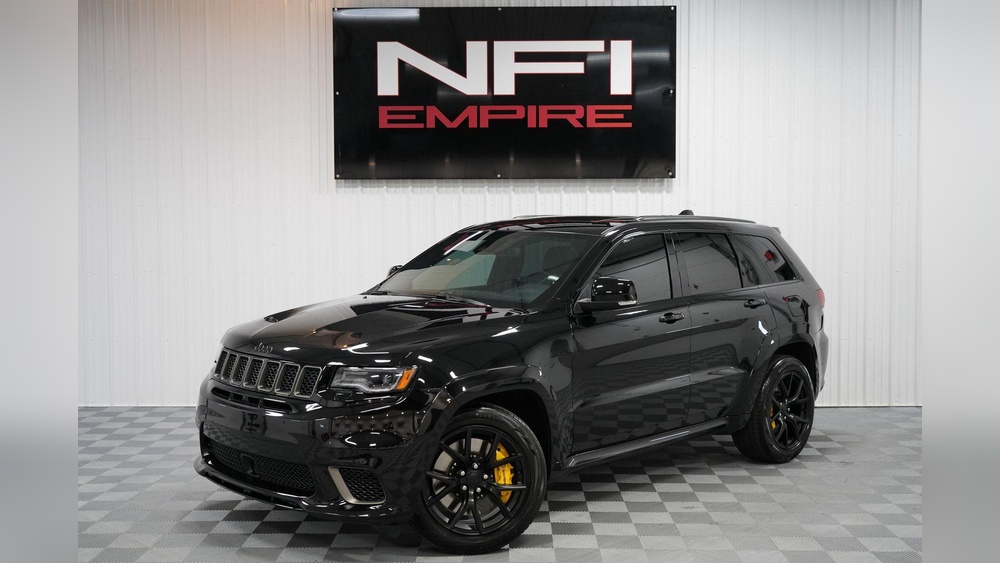
| Grand Cherokee | $2,000 |
A common mistake is trying to regear at home without proper tools or knowledge. Incorrect installation can destroy your Jeep’s axles and gears. Always use a trusted shop for this upgrade.
Non-obvious Insights
- Regearing affects your speedometer. After changing gears, the speedometer and odometer may read incorrectly. Fix this with a calibration tool.
- Some gear ratios may be noisy. Higher ratios sometimes make the differential “whine” at speed. Quality gear sets and proper installation reduce this issue.
Choosing The Right Gear Ratio
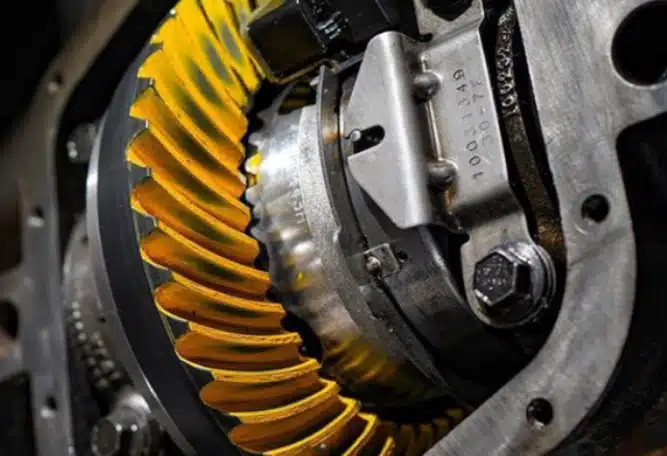
Picking the perfect gear ratio depends on your Jeep’s engine, tire size, driving style, and where you drive most. For daily driving with 33-inch tires, 4.
10 is often ideal. For heavy off-roading or towing with 37-inch tires, 5.
13 works better.
It’s smart to use online calculators or ask shops for advice. The right ratio makes your Jeep feel strong, efficient, and fun to drive. For more technical details, visit MotorTrend’s Jeep Regearing Guide.
Frequently Asked Questions
What Is The Best Gear Ratio For 35-inch Tires?
For most Jeeps, 4.56 is a good balance for 35-inch tires. It restores power and keeps RPM in the right range for highway and off-road use.
Will Regearing Help My Jeep’s Towing?
Yes. Regearing increases torque at the wheels, making towing easier and safer. You’ll notice smoother acceleration and less strain on the engine.
Can I Regear Only One Axle?
No. Both axles must have the same gear ratio or your Jeep will have drivetrain problems. Always regear front and rear axles together.
Does Regearing Void My Jeep Warranty?
Usually, aftermarket regearing can void parts of your warranty. Check with your dealer before making changes to avoid surprises.
How Long Does Regearing Take?
A shop needs about 8–10 hours to regear both axles. It’s a full-day job, including setup and testing.
Regearing your Jeep is one of the smartest upgrades if you run bigger tires or tow heavy loads. With the right gear ratio, you’ll get back lost power, enjoy better fuel economy, and protect your Jeep’s drivetrain.
Choose a reliable shop, invest in quality parts, and you’ll feel the difference every time you drive.