What Does Overland Mean For Jeep
When you hear the word Overland in the world of Jeep, it often brings to mind a sense of adventure and rugged capability. But for someone considering a Jeep, the term “Overland” can be confusing. Is it just about off-road travel? Is it a special trim or feature? Let’s break down what Overland really means for Jeep vehicles, and why it matters if you’re shopping for an SUV that blends comfort with adventure.
The Meaning Of Overland In The Jeep Lineup
For Jeep, Overland is not just a word—it’s a specific trim level found on popular models like the Grand Cherokee and the Gladiator. The Overland trim sits above the base versions and brings a unique mix of luxury and off-road readiness. The name “Overland” actually comes from the idea of long journeys across tough terrain, and Jeep uses it to signal a vehicle that’s ready for both highways and trails.
Key Features Of The Jeep Overland Trim
The Overland trim stands out because it balances everyday comfort with trail capabilities. Here are the main features you’ll often find:
Overland models use soft leather seats, real wood or metal trims, and high-quality plastics. The interior feels more upscale compared to base trims.
2. Advanced Technology
Most Overland Jeeps have a large touch screen, navigation, premium sound systems, and multiple USB ports. You’ll also find advanced safety features like adaptive cruise control and blind-spot monitoring.
3. Exterior Upgrades
Overland models often have larger alloy wheels, LED lighting, and chrome accents. These details make the SUV look more stylish and modern.
4. Off-road Equipment
While not as extreme as the Rubicon trim, Overland models still have features like all-terrain tires, skid plates, and Jeep’s Quadra-Trac or Selec-Terrain 4×4 systems.
Overland Vs Other Jeep Trims
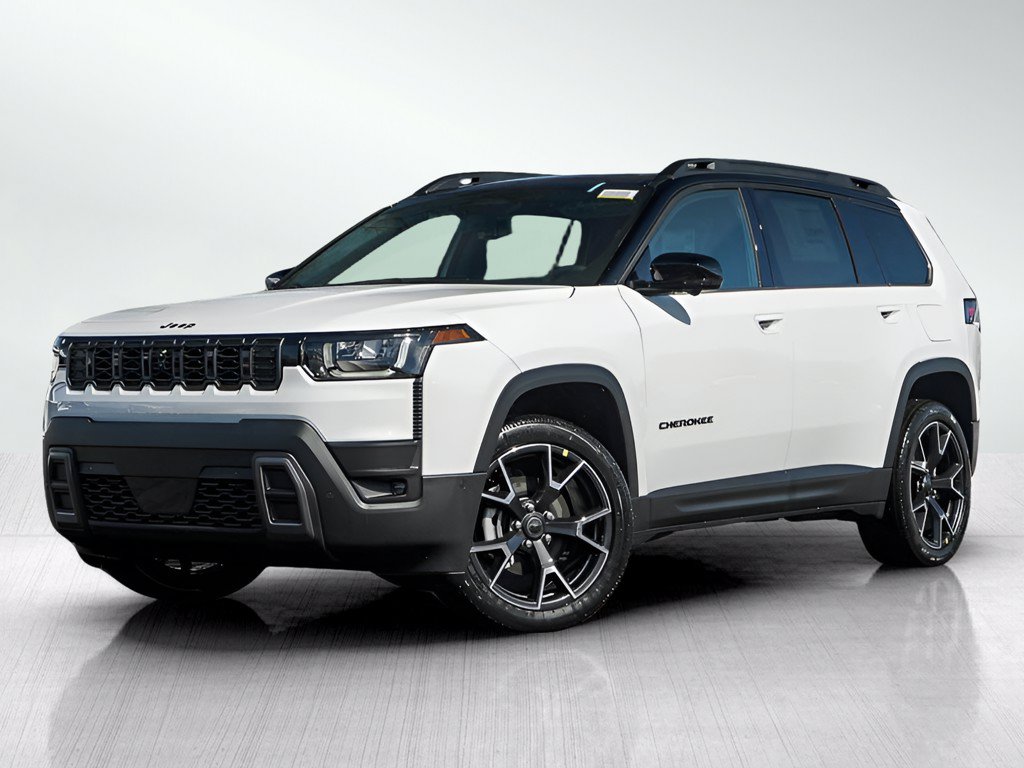
To see what makes Overland special, it helps to compare it with other Jeep trims. Here’s a quick look at how Overland stacks up against the base Laredo and the off-road-focused Rubicon in the Grand Cherokee lineup:
| Trim | Main Focus | Interior Quality | Off-Road Features | Price Range |
|---|---|---|---|---|
| Laredo | Value/Basic | Standard | Basic 4×4 | $40,000–$45,000 |
| Overland | Luxury + Off-Road | Premium | Advanced 4×4 | $55,000–$60,000 |
| Rubicon | Extreme Off-Road | Durable/Functional | Locking Differentials, Rock Rails | $60,000–$65,000 |
As you can see, Overland models are more comfortable and stylish than the base models, but not as focused on extreme off-roading as the Rubicon.
Who Should Choose The Overland Trim?
The Overland trim makes the most sense for people who want:
- A Jeep that feels luxurious inside but can still handle dirt roads and light trails.
- Features like heated and cooled seats, a panoramic sunroof, and a smooth ride.
- A vehicle that looks sharp in the city but won’t get stuck on a camping trip.
If you’re not planning to climb mountains every weekend but want more than a basic SUV, Overland is a smart middle ground.
Overland In Different Jeep Models
The Overland name appears on several Jeep models, each with its own twist.
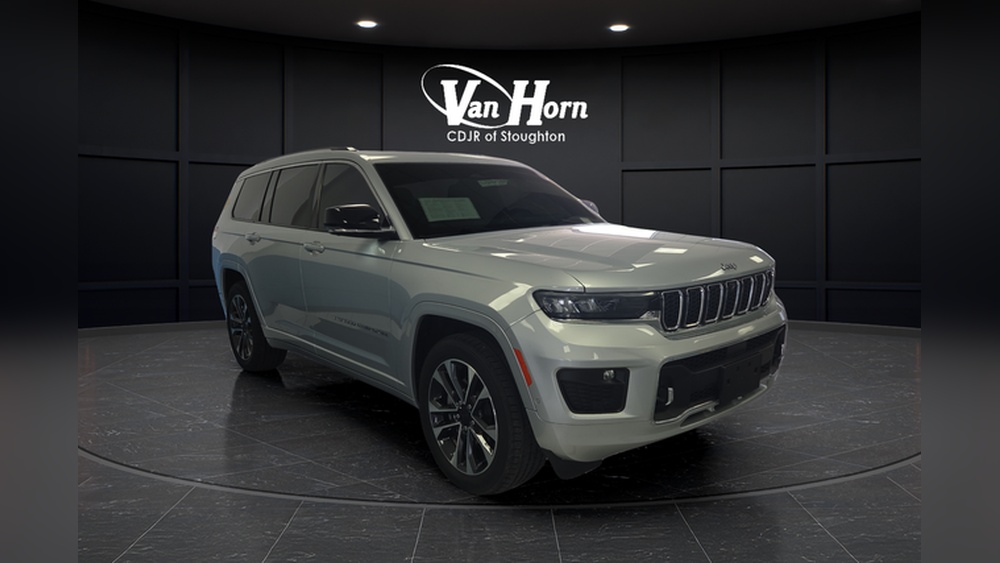
Grand Cherokee Overland
This is the most popular Overland trim. It’s packed with tech like a 10.
1-inch touch screen, air suspension, and a 9-speaker Alpine audio system. The Grand Cherokee Overland is known for its quiet cabin and strong V6 or V8 engine options.
Gladiator Overland
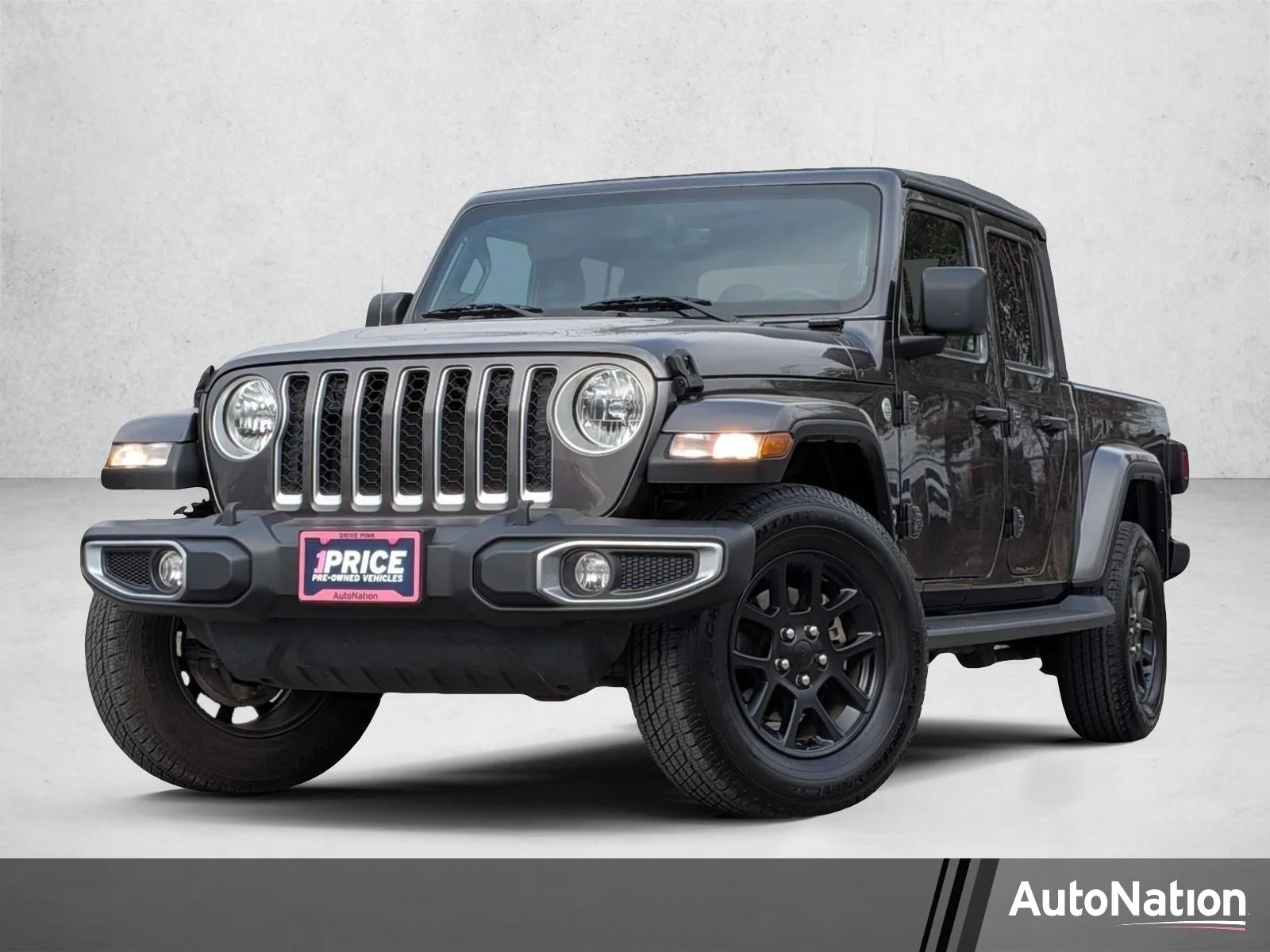
In the Jeep Gladiator (the pickup), the Overland trim mixes truck utility with SUV comfort. You get leather seats, special badging, and extra sound insulation.
While not as trail-ready as the Mojave or Rubicon, it still handles rough roads with confidence.
Wagoneer And Others
Jeep also uses Overland for bigger SUVs like the Wagoneer. Here, the focus is on family comfort think power-folding seats, bigger touch screens, and advanced driver assist systems.
Real-world Performance: On-road Vs Off-road
Most Overland owners spend about 80% of their time on paved roads. The suspension is tuned for a comfortable ride, but the 4×4 system means you can handle snow or mud when needed.
According to Jeep, Overland models have a ground clearance of about 8.
6 to 10. 7 inches (with air suspension), making them much more capable than most regular SUVs.
Here’s how the Overland performs in different conditions:
| Scenario | Overland Performance |
|---|---|
| Highway Driving | Quiet, smooth, excellent tech |
| City Streets | Easy to park, premium look |
| Gravel/Dirt Roads | Confident, stable |
| Serious Off-Road Trails | Good, but not as rugged as Rubicon |
| Snow/Ice | Excellent with 4×4 engaged |
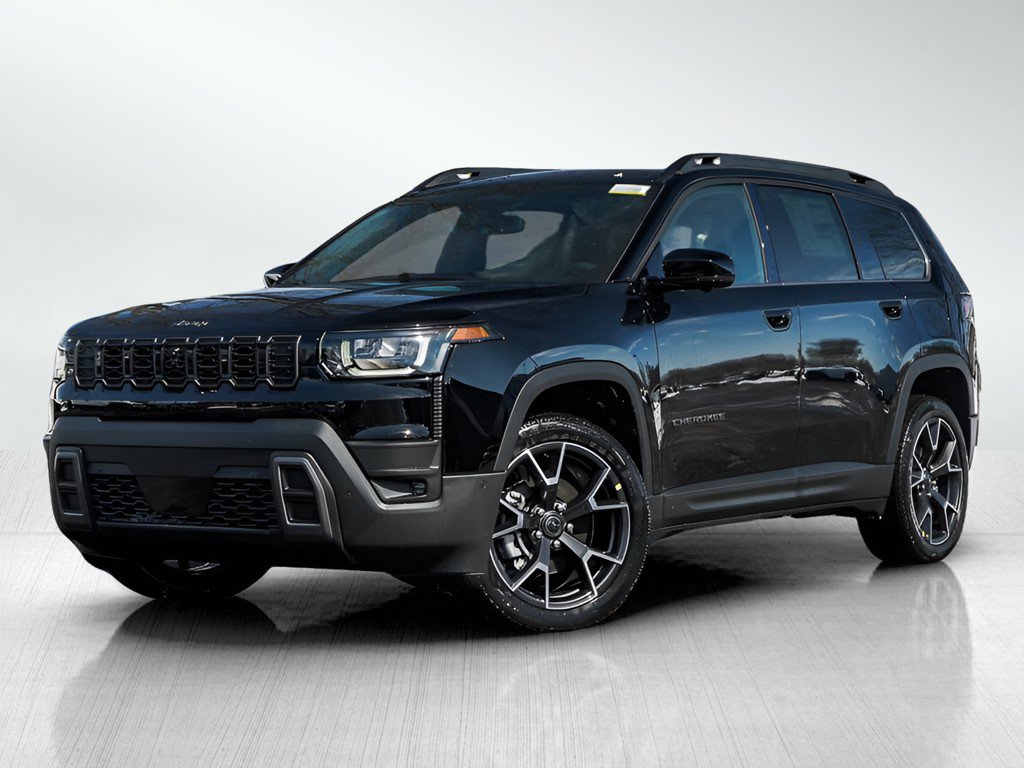
Overland Package: What’s Included?
Jeep often sells an “Overland Package” on top of the base vehicle. This package usually bundles:
- 20-inch wheels (or larger)
- Power liftgate
- Real wood trim
- Upgraded infotainment system
- Ventilated front seats
- Dual-pane sunroof
Some buyers mistakenly think the Overland package is just about off-road parts. In reality, it’s more about luxury features with a dash of adventure.
Two Non-obvious Insights
- Resale Value: Overland trims often keep their value better than base models. Buyers in the used market like the mix of comfort and capability, especially since Overlands are less likely to have been heavily off-roaded.
- Insurance Costs: Because Overland models have more tech and luxury features, repairs can cost more. This can mean slightly higher insurance rates compared to basic trims. Always get a quote before buying.
Common Mistakes When Choosing Overland
- Assuming It’s the Best for Hardcore Trails: Overland is great for most situations, but if you want to tackle deep mud or rocky mountain trails, the Rubicon is a better fit.
- Ignoring Maintenance Costs: Fancy features like air suspension or panoramic roofs can be expensive to fix out of warranty.
- Overpaying for Unused Features: If you won’t use the sunroof or premium audio, a lower trim might be a smarter buy.
For more technical specs and a closer look at Overland features, visit the official Jeep Grand Cherokee page.
Jeep’s Overland trim is ideal for people who want a vehicle that feels special every day, yet can still get a little dirty when adventure calls. If you value comfort as much as capability, Overland is well worth considering.
Frequently Asked Questions
What Does Overland Mean For Jeep?
Overland is a trim level that mixes luxury features with off-road ability. It’s available on several Jeep models and offers more comfort and tech than basic versions.
Is The Overland Trim Good For Off-roading?
Yes, but with limits. Overland trims handle dirt, snow, and moderate trails well. For extreme off-roading, the Rubicon trim is better.
How Does Overland Compare To Limited?
Overland is more upscale than Limited. It adds features like leather seats, a panoramic sunroof, and advanced 4×4 systems.
Does Overland Cost More To Insure?
Usually, yes. The luxury features and tech can make repairs pricier, leading to slightly higher insurance premiums.
Can I Add Overland Features To A Base Jeep?
Some features can be added, but not all. The true Overland experience comes from the factory with special trims, badges, and bundled options.