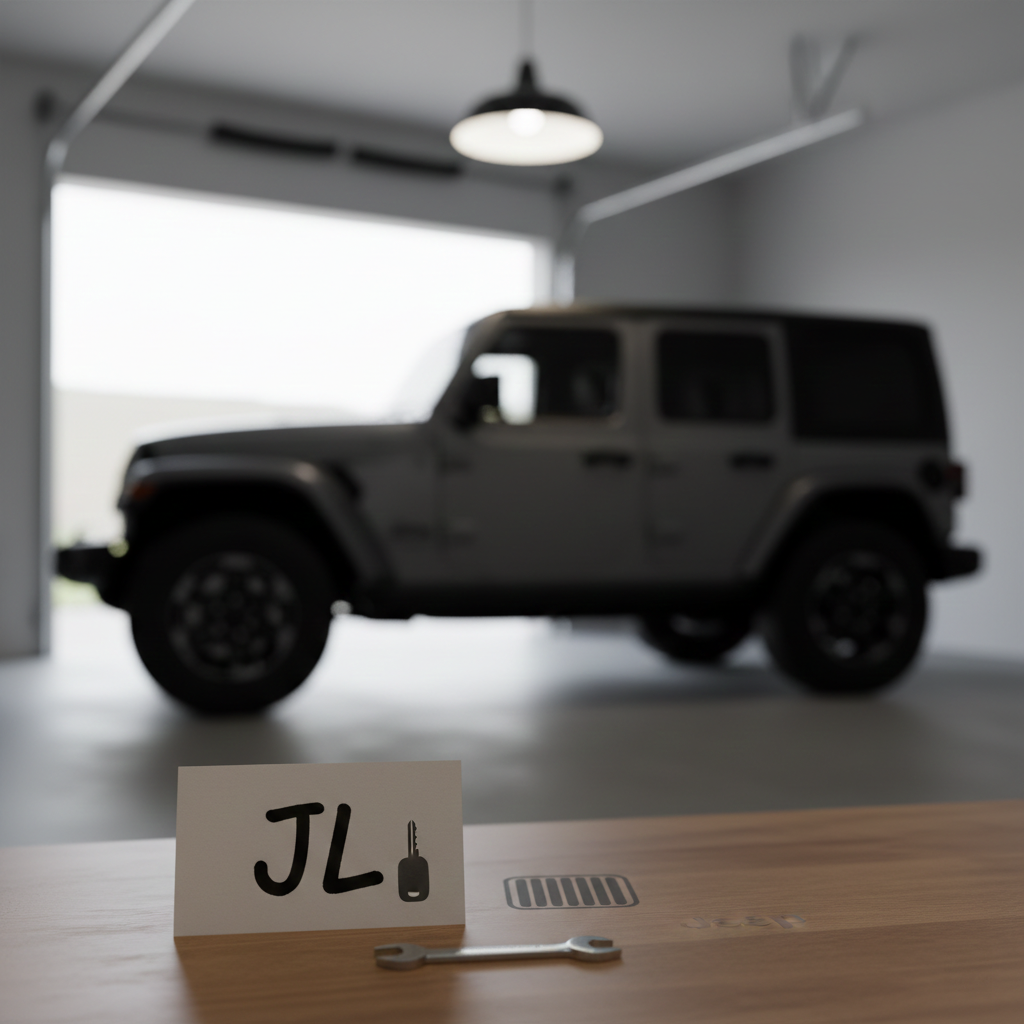
Jeep vehicles have a long history and a passionate fan base. If you’ve heard people talk about the “Jeep JL,” you might wonder what those letters mean.
Many car brands use codes for their models, but Jeep’s system can seem confusing, especially for newcomers.
Let’s dive into what “JL” stands for in Jeep, how it fits into Jeep’s naming tradition, and why it matters for drivers.
What Does Jl Mean In Jeep?
The JL is a specific model code used by Jeep to describe the fourth generation of the Wrangler. Jeep started using the JL code in 2018, when they launched an all-new version of this classic off-roader. The letters themselves—“J” and “L”—do not stand for words like “Jeep Luxury” or “Jeep Lightweight.” Instead, they are simply internal designations chosen by Jeep’s engineering and marketing teams.
In simple terms, when you hear “Jeep JL,” it means the 2018–present Jeep Wrangler. This code helps people, dealers, and mechanics quickly identify which version of the Wrangler someone is talking about.
Jeep’s Model Code System
Jeep uses a system of letter codes to identify different generations and styles of their vehicles. This practice helps with:
- Ordering parts
- Talking about repairs or upgrades
- Resale and value tracking
- Community discussions
Here’s a quick look at the most common Wrangler codes:
| Model Code | Years Produced | Notable Features |
|---|---|---|
| YJ | 1987–1995 | Rectangular headlights |
| TJ | 1997–2006 | Round headlights, coil spring suspension |
| JK | 2007–2017 | Four-door option introduced |
| JL | 2018–present | Modern tech, lighter frame, better ride |
Non-obvious insight: Many Jeep codes, like TJ or JK, are chosen with no public meaning. Only Jeep’s engineers know why these letters are picked.
What Makes The Jl Different?
The JL Wrangler arrived with major upgrades compared to the previous JK model. Here’s what makes the JL stand out:
- Lighter weight: Jeep used more aluminum to reduce weight, improving fuel efficiency.
- Better technology: The JL introduced options like Apple CarPlay, larger touchscreens, and advanced safety features.
- Improved comfort: The ride is smoother, with better seats and quieter cabins.
- New engines: Besides the classic V6, you can get a turbocharged four-cylinder or even a diesel.
- More open-air options: The JL offers easy-to-remove tops and doors, making it even more fun for outdoor adventures.
Example: The JL’s windshield folds down much easier than before. This might sound small, but it shows Jeep listens to driver feedback.
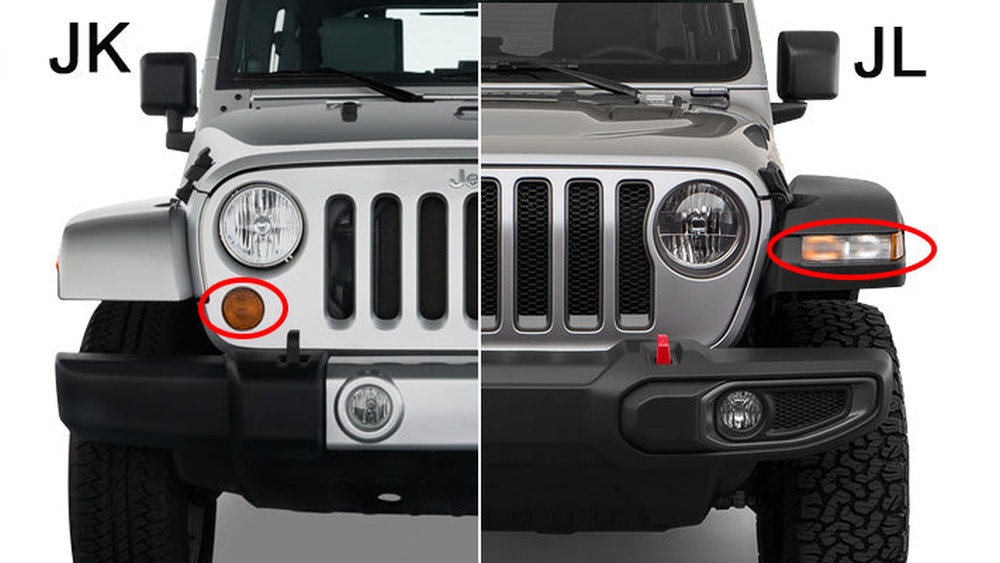
Jl Vs. Jk: Key Differences
Many buyers wonder how the JL compares to the older JK Wrangler. Here’s a quick comparison:
| Feature | Jeep JK | Jeep JL |
|---|---|---|
| Years Sold | 2007–2017 | 2018–present |
| Engine Choices | 3.6L V6 only | 3.6L V6, 2.0L Turbo, 3.0L Diesel |
| Infotainment | Basic, smaller screens | Modern, large touchscreens |
| Top/Doors | Manual, harder to remove | Easier removal options |
| Safety | Fewer features | More airbags, blind spot monitoring |
Important tip: If you want the latest safety and tech, look for a JL. If you prefer simpler mechanics, the JK might be better.

Why Does The Model Code Matter?
Knowing the JL code is useful for several reasons:
- Buying parts: Many accessories or replacement parts only fit certain generations.
- Resale value: The JL’s new features mean it usually sells for more than an older JK.
- Community: When you join Jeep forums or clubs, people often ask, “Do you drive a JL or JK?” This helps them give better advice.
Common mistake: Some people mix up JL and JK, especially when looking for lift kits or bumpers. Always double-check your model code before buying upgrades.
Other Jeep Codes You Might Hear
Besides JL, Jeep uses many other codes across its lineup. Here are a few:
- WJ: Grand Cherokee (1999–2004)
- XJ: Cherokee (1984–2001)
- ZJ: Grand Cherokee (1993–1998)
- JT: Gladiator pickup (2020–present)
Each code points to a unique design and set of features. If you’re shopping for used Jeeps, these codes help you find exactly what you want.

The Future Of Jeep Model Codes
Will Jeep always use two-letter codes? So far, the answer is yes. The system helps Jeep fans and mechanics communicate quickly. As new models launch—like the Jeep 4xe hybrid—Jeep may add more codes or variations. For now, knowing your JL from your JK is a sign you’re in the Jeep know.
If you want even more detail about Jeep’s history and model codes, check out the official Jeep Wrangler Wikipedia page.
Frequently Asked Questions
What Year Did The Jeep Jl Start?
The Jeep JL started with the 2018 model year. It’s the current version of the Wrangler.
Is The Jeep Jl Better Than The Jk?
The JL has more technology, safety, and comfort features. Some drivers still prefer the simpler JK, but most agree the JL is a major upgrade.
How Can I Tell If My Wrangler Is A Jl?
Look for features like push-button start, a modern touchscreen, and the model year (2018 or newer). The VIN (vehicle identification number) can also confirm it.
Does Jl Stand For Anything Special?
No, JL is just an internal code. It doesn’t stand for “Jeep Luxury” or any phrase.
Can Jl Parts Fit On A Jk?
Most parts are not interchangeable. Always check the part’s compatibility with your Wrangler’s model code before buying.
Jeep’s world is full of unique codes and details. By understanding what JL stands for, you’re one step closer to joining a community of passionate drivers and making smart choices for your vehicle.