What Does It Mean To Regear A Jeep
For many Jeep owners, upgrading tires and exploring rough trails comes with a question: what does it mean to regear a Jeep? This simple-sounding task can make a huge difference in how your Jeep performs, both on and off the road.
If you’ve noticed your vehicle feels sluggish after installing bigger tires, or your fuel economy has dropped, understanding regearing is essential.
What Is Regearing?
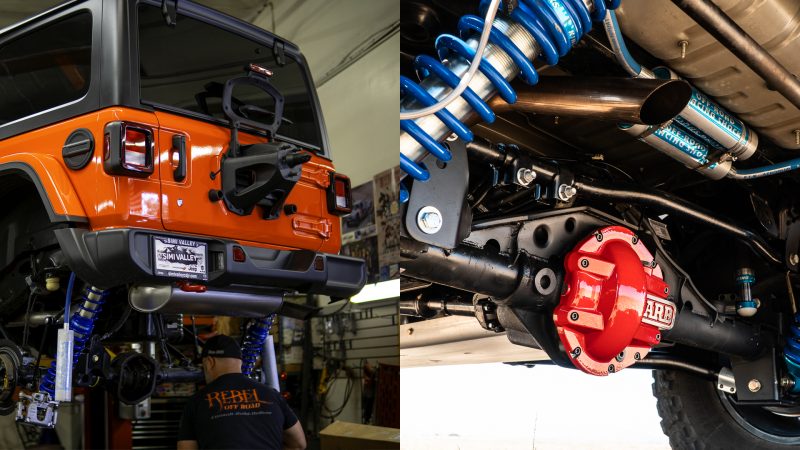
Regearing means changing the gear ratio inside your Jeep’s axles. These gears control how many times your driveshaft turns for each rotation of the wheels. When you switch to larger tires, the factory gear ratio no longer matches the new tire size. This can make your Jeep feel underpowered or make the engine work harder.
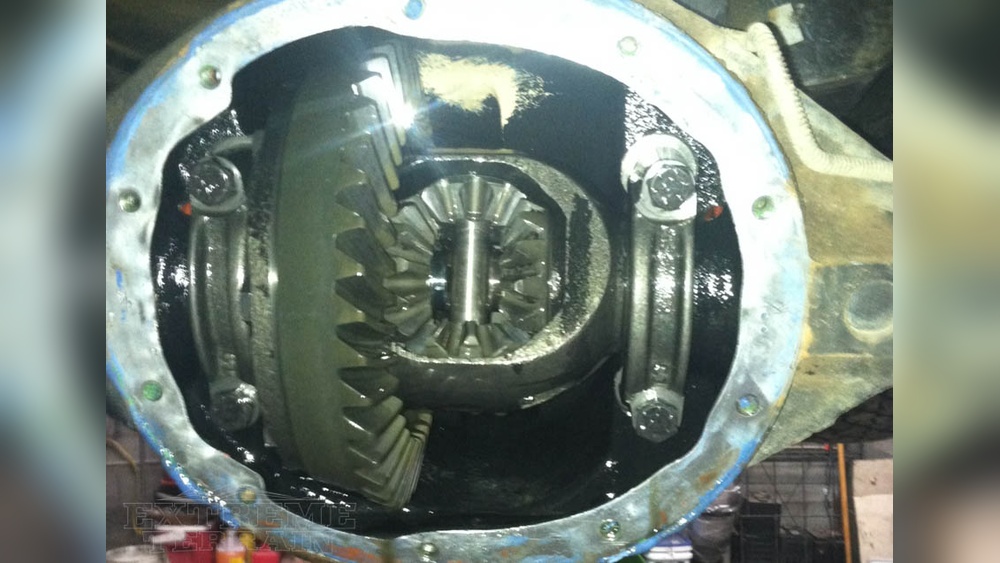
For example, the stock gear ratio on many Jeeps is 3.73:1. This means the driveshaft turns 3.73 times for every full turn of the wheels. If you install larger tires, the effective ratio drops, making it harder for the Jeep to accelerate or maintain speed, especially uphill.
Why Regear Your Jeep?
Regearing is not just a technical upgrade. It has real benefits:
- Improved Performance: Bigger tires can make your Jeep slow and less responsive. The right gears help restore lost power.
- Better Fuel Economy: The engine no longer struggles, so you may notice improved gas mileage.
- Reduced Transmission Strain: Proper gearing means less stress on the transmission, which can prevent costly repairs.
- Enhanced Off-Road Capability: Correct gears help your Jeep crawl over rocks or power through mud more easily.
Many beginners miss that regearing not only helps with large tires but also when adding heavy accessories, like steel bumpers or winches.
How Gear Ratios Work
Understanding gear ratios is easier with a comparison:
| Gear Ratio | Driveshaft Turns per Wheel Turn | Best For |
|---|---|---|
| 3.21:1 | 3.21 | Highway Driving |
| 3.73:1 | 3.73 | Balanced Use |
| 4.56:1 | 4.56 | Large Tires / Off-Road |
| 5.13:1 | 5.13 | Extreme Off-Road |
With bigger tires, higher ratios like 4.56:1 or 5.13:1 help keep your Jeep quick and powerful.
Signs You Need To Regear
Some clear warning signs include:
- Slow acceleration, especially with large tires
- Transmission shifting too much or struggling to find the right gear
- Poor gas mileage
- Engine sounds louder at highway speeds
If you notice these issues after upgrades, regearing should be considered.
Choosing The Right Gear Ratio
Selecting the right ratio depends on your tire size, engine, and how you use your Jeep. Here’s a quick reference for popular tire sizes:
| Tire Size | Recommended Gear Ratio (Manual) | Recommended Gear Ratio (Automatic) |
|---|---|---|
| 33″ | 4.10 | 4.56 |
| 35″ | 4.56 | 4.88 |
| 37″ | 4.88 | 5.13 |
Always check your Jeep’s axle type and transmission before making a final choice.
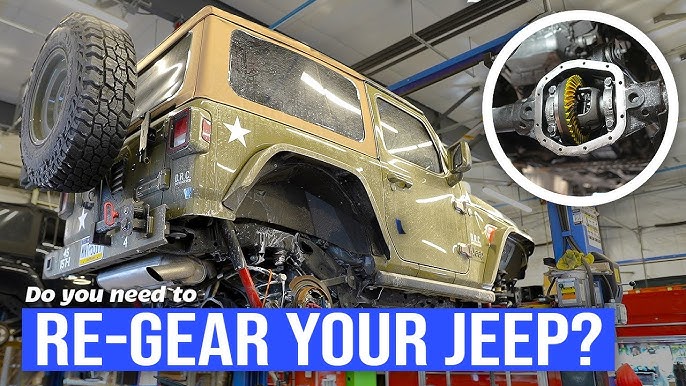
The Regearing Process
Regearing is a technical job. Most owners leave it to professionals, but here’s what happens:
- The axles are removed and opened.
- The old ring and pinion gears are taken out.
- New gears with the desired ratio are installed.
- The setup is adjusted for proper fit and smooth operation.
- Axles are reassembled, and new fluid is added.
This process takes several hours and special tools. Mistakes can cause noise or damage, so experience matters.
Cost Of Regearing
The price depends on your Jeep model, number of axles, and shop rates.
- Parts: $250–$400 per axle
- Labor: $500–$800 per axle
Total cost for both axles usually runs $1,500–$2,500. Skimping on quality parts can lead to problems down the road.
Common Mistakes To Avoid
- Ignoring the Front or Rear: Always regear both axles to avoid drivetrain damage.
- Choosing the Wrong Ratio: Too high or too low can hurt performance.
- DIY Without Experience: Incorrect setup can destroy gears quickly.
- Skipping the Break-In: New gears need gentle driving for the first 500 miles.
Many beginners overlook that larger tires often require recalibrating the speedometer after regearing.
Real-world Example
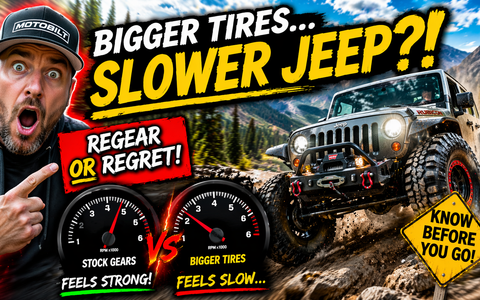
Suppose you upgrade to 35-inch tires on a Jeep Wrangler with a 3.73:1 factory ratio. You notice it’s sluggish, especially on hills. After switching to 4.88:1 gears, acceleration improves, the transmission shifts less, and off-road control is much better. Most owners report fuel economy returns close to stock.
Is Regearing Worth It?
If you love off-roading, have installed bigger tires, or want your Jeep to feel strong and reliable, regearing is one of the most important upgrades. It protects your vehicle’s engine and transmission while delivering better performance where it counts.
For a deeper technical look at gear ratios and their impact, visit the Gear Ratio Wikipedia page.
Frequently Asked Questions
<!– wp:rank-math/faq-block {"questions":[{"id":"faq-question-f16d783febfc","title":"What Happens If I Don’t Regear After Installing Bigger Tires?","content":"Your Jeep may feel weak, shift gears constantly, and use more fuel. Long-term, you risk damaging the transmission and drivetrain.
“,”visible”:true},{“id”:”faq-question-b94d8c8afe91″,”title”:”How Long Does It Take To Regear A Jeep?”,”content”:”A professional shop usually needs one to two days. Both axles are done at the same time for best results.
“,”visible”:true},{“id”:”faq-question-4b34d31dd3fa”,”title”:”Can I Regear My Jeep Myself?”,”content”:”It’s possible but not recommended unless you have experience. Incorrect installation can cause expensive damage and safety risks.
“,”visible”:true},{“id”:”faq-question-560ae3b0e3df”,”title”:”Will Regearing Affect My Jeep’s Warranty?”,”content”:”Some warranties may be affected, especially if non-factory parts are used. Always check with your dealer before modifying gearing.
“,”visible”:true},{“id”:”faq-question-3125607474dc”,”title”:”Is Regearing Only For Off-road Jeeps?”,”content”:”No. Even daily drivers with bigger tires benefit from regearing.
It restores lost power and helps with fuel economy.
Upgrading your Jeep with the right gear ratio is more than just a technical detail—it’s key to enjoying every mile, whether on city streets or wild trails. Understanding what it means to regear a Jeep helps you make smart decisions and get the most from your adventure vehicle.
“,”visible”:true}]} –>What Happens If I Don’t Regear After Installing Bigger Tires?
Your Jeep may feel weak, shift gears constantly, and use more fuel. Long-term, you risk damaging the transmission and drivetrain.
How Long Does It Take To Regear A Jeep?
A professional shop usually needs one to two days. Both axles are done at the same time for best results.
Can I Regear My Jeep Myself?
It’s possible but not recommended unless you have experience. Incorrect installation can cause expensive damage and safety risks.
Will Regearing Affect My Jeep’s Warranty?
Some warranties may be affected, especially if non-factory parts are used. Always check with your dealer before modifying gearing.
Is Regearing Only For Off-road Jeeps?
No. Even daily drivers with bigger tires benefit from regearing.
It restores lost power and helps with fuel economy.
Upgrading your Jeep with the right gear ratio is more than just a technical detail—it’s key to enjoying every mile, whether on city streets or wild trails. Understanding what it means to regear a Jeep helps you make smart decisions and get the most from your adventure vehicle.