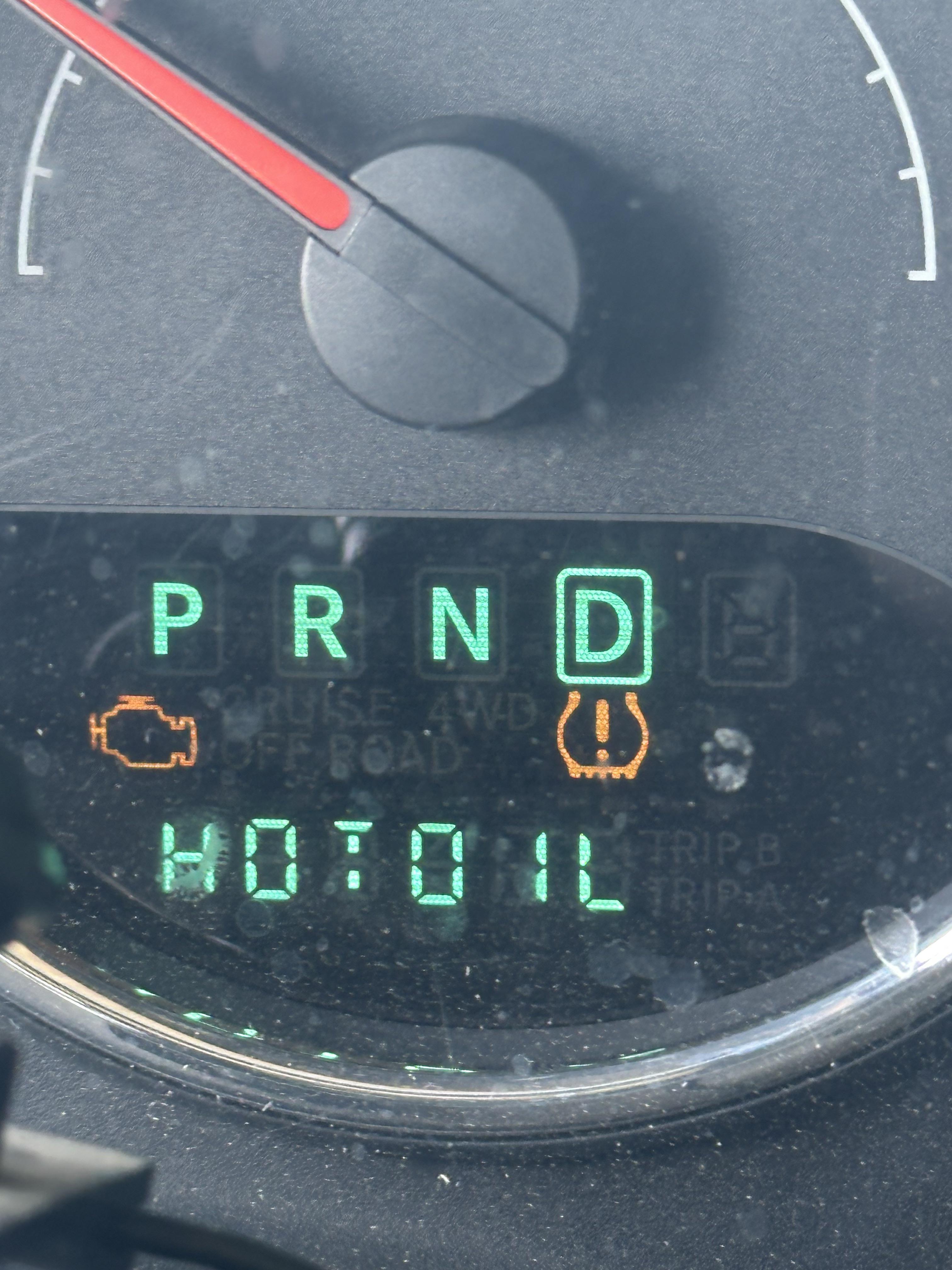
If you drive a Jeep and see a warning that says hot oil, it’s natural to worry. This message means something is wrong, but many owners aren’t sure what the problem is or how serious it might be. Understanding what “hot oil” means and knowing what to do can help you avoid expensive repairs and keep your Jeep running smoothly.
What Does “hot Oil” Mean On A Jeep?
The hot oil warning refers to the temperature of the transmission fluid. This fluid cools and lubricates the transmission, which is the system that shifts gears in your Jeep. When the transmission oil gets too hot, it can’t protect the parts inside. If you keep driving, your transmission could get damaged.
Most Jeep models, especially those with automatic transmissions, have sensors that check the transmission fluid temperature. If it goes above a safe limit—usually around 220°F (104°C)—the warning appears on the dashboard. For comparison, normal transmission fluid temperature should be 175°F–200°F (79°C–93°C).
Why Does Transmission Oil Get Hot?
Several things can cause transmission fluid to overheat:
- Heavy towing: Pulling a trailer or carrying a heavy load puts extra strain on the transmission.
- Stop-and-go driving: Frequent stops in city traffic make the transmission work harder.
- Hot weather: High outdoor temperatures raise the starting point for fluid heat.
- Low fluid level: Not enough fluid means less cooling and lubrication.
- Dirty or old fluid: Fluid loses its cooling power as it ages or gets dirty.
- Mechanical issues: Problems like a slipping clutch or faulty transmission cooler can cause heat buildup.
Here’s a quick comparison of common causes:
| Cause | How It Leads to Hot Oil |
|---|---|
| Heavy towing | Extra friction raises fluid temperature |
| Low fluid | Reduced cooling and lubrication |
| Dirty fluid | Poor heat transfer and protection |
| Mechanical faults | Parts generate excess heat |
What Happens If You Ignore The Hot Oil Warning?
Ignoring the hot oil warning can lead to serious transmission damage. High temperatures break down transmission fluid and cause metal parts inside to wear faster. Over time, the transmission may slip, shift poorly, or even fail completely.
Here’s a comparison of transmission health at different fluid temperatures:
| Fluid Temperature | Transmission Life Expectancy |
|---|---|
| 175°F (79°C) | 100,000 miles |
| 200°F (93°C) | 50,000 miles |
| 225°F (107°C) | 25,000 miles |
| 250°F (121°C) | 12,500 miles |
As you can see, every 20°F rise in fluid temperature can cut transmission life in half.
What To Do If You See The Hot Oil Warning
When the hot oil warning lights up, act quickly but calmly:
- Pull over safely: Stop driving as soon as you can.
- Let the engine idle: Keep the engine running but shift to Park. This helps cool the fluid.
- Avoid turning off the engine right away: The cooling system works while the engine is running.
- Wait at least 15–20 minutes: This allows the transmission fluid to cool down.
- Check the fluid level: If you know how, check the transmission fluid dipstick.
- Inspect for leaks: Look under your Jeep for any fluid puddles.
- Drive slowly to a mechanic: If the warning disappears and fluid level is fine, drive carefully for repairs.
If the warning stays on or you notice strange noises, shifting problems, or leaks, get your Jeep checked immediately.
How To Prevent Hot Oil Problems
It’s easier to prevent hot oil issues than to fix them. Here are some tips:
- Check transmission fluid regularly. Make sure it’s at the right level and not dirty.
- Change fluid as recommended. Most Jeeps need new fluid every 30,000–60,000 miles.
- Use the correct fluid type. Always follow your Jeep’s manual.
- Install an external transmission cooler if you tow often. This reduces fluid temperature.
- Avoid aggressive driving. Rapid acceleration and hard stops can stress the transmission.
- Keep your Jeep maintained. Regular inspections catch problems early.
Many beginners forget to check the transmission fluid, thinking only engine oil matters. Another common mistake is ignoring small leaks these can quickly turn into big problems.
Jeep Models And Hot Oil Warnings
Not all Jeep models show the hot oil warning the same way. Modern Jeeps like the Wrangler, Grand Cherokee, and Gladiator have clear dashboard messages. Older models might use a simple warning light.
Here’s how some popular Jeep models display the warning:
| Model | Hot Oil Warning Display |
|---|---|
| Jeep Wrangler (2018+) | Text message on screen |
| Jeep Grand Cherokee | Symbol and text |
| Jeep Gladiator | Text message |
| Jeep Liberty (older) | Warning light only |
Knowing how your Jeep displays this warning helps you react faster.
Frequently Asked Questions
What Should I Do If The Hot Oil Warning Comes On While Driving?
Pull over safely and let your Jeep idle in Park. Wait until the warning disappears, then check the fluid level.
If you’re unsure, call a mechanic for help.
Can I Drive With The Hot Oil Warning?
No. Driving with the hot oil warning can cause major transmission damage. Stop as soon as possible and let the fluid cool.
How Often Should I Change My Jeep’s Transmission Fluid?
Most Jeeps need a fluid change every 30,000–60,000 miles. Check your owner’s manual for the exact interval.
Is Hot Oil The Same As Engine Oil Overheating?
No. Hot oil refers to transmission fluid, not engine oil. The two systems have different functions and warnings.
Where Can I Learn More About Jeep Maintenance?
You can find reliable information at the official Jeep Maintenance site.
If you understand what the hot oil warning means and act quickly, you can avoid costly transmission repairs. Always check your fluid levels, follow maintenance schedules, and pay attention to dashboard messages. These simple habits will keep your Jeep reliable for years to come.