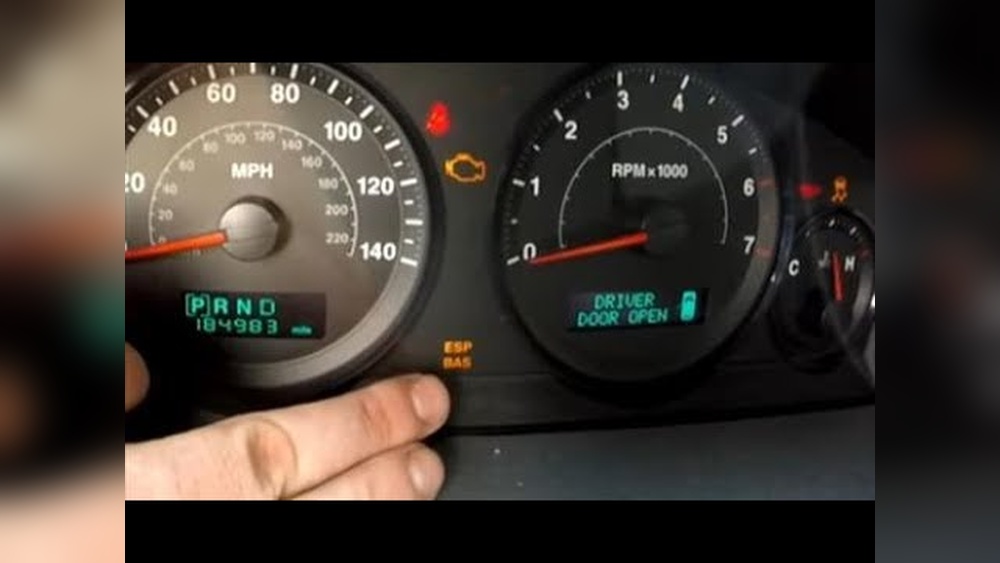
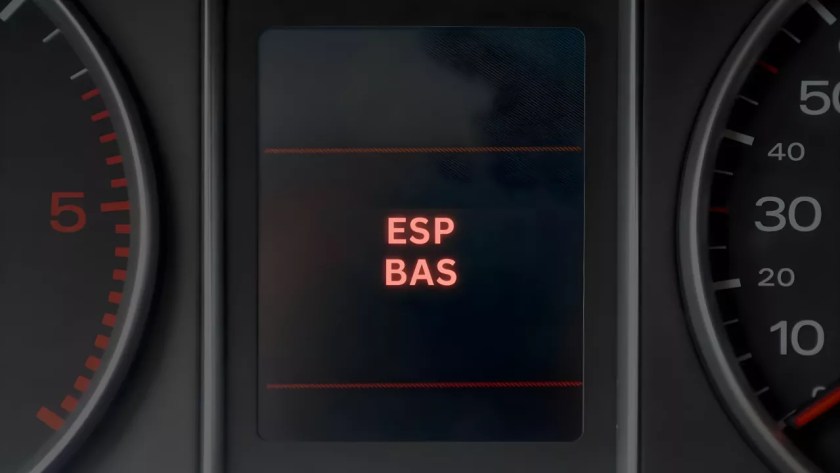
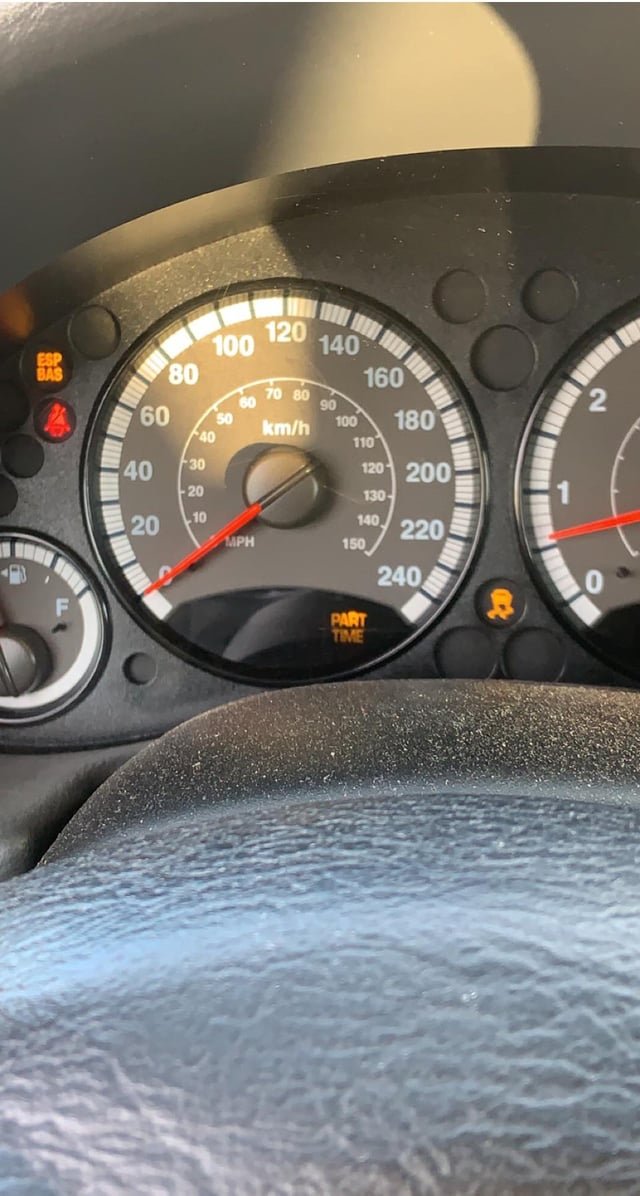
If you’re driving your Jeep and suddenly see the ESP BAS light pop up on your dashboard, you might be wondering what it means and if it’s something serious.
This warning isn’t just a random alert—it’s your Jeep telling you that its safety systems, like stability control and brake assist, may not be working properly.
Ignoring this light could affect how your Jeep handles on the road, especially in tricky driving conditions. You’ll learn exactly what the ESP BAS light means, why it comes on, and what steps you should take to keep yourself and your Jeep safe.
Keep reading to get clear answers and smart solutions.
Esp And Bas Systems
The ESP and BAS systems play a vital role in your Jeep’s safety. They help keep control during driving and braking.
If the ESP BAS light turns on, it means one or both systems need attention. Understanding these systems can help you know why the light appears and what it does.
Electronic Stability Program
The Electronic Stability Program, or ESP, helps keep your Jeep stable on the road. It detects when the vehicle is losing traction or control.
When this happens, ESP applies brakes to individual wheels. This helps steer the Jeep back on track and prevents skidding.
ESP works with sensors that monitor wheel speed, steering angle, and vehicle movement. If these sensors detect a problem, the ESP BAS light may turn on.
This alerts the driver to a possible issue with the stability system.
Brake Assist System
The Brake Assist System, or BAS, helps you stop quickly in emergencies. It senses when you press the brake hard and adds extra braking power. This reduces stopping distance and improves safety.
BAS works alongside the ABS and ESP systems. If it detects a fault, the ESP BAS light will illuminate.
This shows the brake assist may not be working properly. It is important to have your Jeep checked if this light stays on.
Common Causes Of Esp Bas Light
The ESP BAS light on a Jeep signals issues in the vehicle’s safety systems. This light often appears due to problems with the electronic stability program or brake assist system.
Understanding common causes helps diagnose the issue quickly. Below are the main reasons why this light may turn on.
Faulty Wheel Speed Sensors
Wheel speed sensors monitor each wheel’s rotation speed. Faulty sensors send incorrect data to the vehicle’s computer.
This can trigger the ESP BAS light. Dirt, damage, or wear can cause sensor failure.
Replacing or cleaning the sensors often resolves the problem.
Steering Angle Sensor Issues
The steering angle sensor measures the steering wheel’s position. It helps the system keep the vehicle stable during turns.
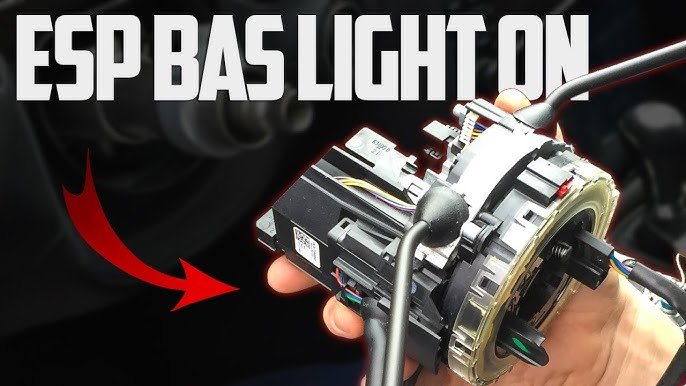
Malfunction or misalignment of this sensor can cause the ESP BAS light to come on. Calibration or sensor replacement is needed to fix this.
Brake Light Switch Problems
The brake light switch signals when the brakes are applied. A faulty switch can confuse the brake assist system.
This often turns on the ESP BAS light. Testing and replacing the brake light switch usually clears the warning.
Wiring And Electrical Faults
Damaged wiring or loose connections can disrupt the ESP and BAS systems. Electrical faults cause incorrect signals to the control module.
This leads to the warning light appearing. Inspecting and repairing wiring fixes the issue.
Impact On Vehicle Safety
The ESP BAS light on a Jeep signals a problem with key safety systems. These systems help keep your vehicle stable and safe on the road.
When the light is on, these features may not work properly.
This can increase the risk of losing control, especially in slippery or emergency conditions. Understanding how these systems are affected helps you stay safe while driving.
Reduced Stability Control
Electronic Stability Program (ESP) helps prevent skidding and loss of control. If the ESP BAS light is on, stability control may be reduced or disabled.
This makes it harder to keep the Jeep steady during sharp turns or slippery surfaces.
Without full stability control, the vehicle is more prone to slide or spin out. Drivers must be extra cautious, especially in bad weather or on uneven roads.
Brake Assist Limitations
Brake Assist System (BAS) helps apply extra brake force during emergency stops. The ESP BAS light means this system may not work correctly.
You might need to press the brake pedal harder to stop quickly.
This limitation can increase stopping distances, raising the chance of collisions. Drivers should avoid sudden stops and keep a safe distance from other vehicles.
Traction Control Effects
Traction control prevents wheel spin during acceleration on slippery roads. The ESP BAS warning often means traction control is impaired or off.
This reduces grip and can cause wheels to slip more easily.
Loss of traction control affects acceleration and handling on wet or icy surfaces. Drive slowly and gently to reduce the risk of losing control.
Diagnosing The Esp Bas Light
Diagnosing the ESP BAS light on a Jeep involves checking several key components. This warning light signals issues with the vehicle’s Electronic Stability Program and Brake Assist System.
Identifying the cause early helps maintain safety and prevents further damage. The process includes scanning for error codes, inspecting sensors, and reviewing common trouble codes.
Each step narrows down the problem for a precise fix.
Using Obd-ii Scanners
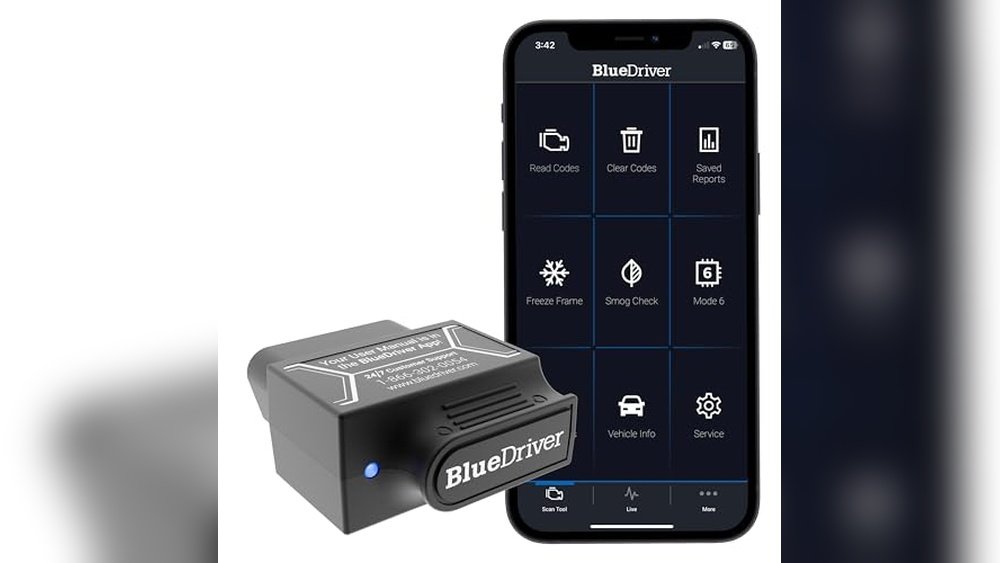
OBD-II scanners read diagnostic trouble codes from the Jeep’s computer. These codes reveal specific faults causing the ESP BAS light.
Connect the scanner to the vehicle’s port, usually under the dashboard. Turn the ignition on and let the scanner communicate with the ECU.
It displays codes related to stability control or braking issues. This tool saves time by pinpointing problems quickly.
Visual And Sensor Inspections
Look for visible damage or wear on wheel speed sensors and wiring. Check the steering angle sensor for proper alignment and secure connections.
Inspect brake components for leaks or abnormal wear. Loose or corroded wiring can trigger the ESP BAS light.
Cleaning and tightening these parts might clear the warning. Physical checks complement the scanner data for accurate diagnosis.
Common Diagnostic Trouble Codes
Codes like C0035 or C0040 often relate to wheel speed sensors. P0504 indicates a faulty brake light switch, which affects the BAS.
Steering angle sensor errors may show as C1231 or C1235. Knowing these codes helps understand what part needs repair.
Mechanics use this information to recommend the right service. Recognizing common codes avoids guesswork and speeds up repairs.
Repair Options And Costs
When the ESP BAS light appears on your Jeep’s dashboard, it signals a problem with the stability or brake assist systems. Repairing this issue involves several options, depending on the root cause.
Understanding these options and their costs helps you make informed decisions. Repairs often focus on sensors, switches, or wiring. Each repair type has different cost implications.
Sensor Replacement
Wheel speed sensors or steering angle sensors often fail and trigger the ESP BAS light. Replacing these sensors restores proper system function.
Sensor replacement usually requires removing the old sensor and installing a new one. This repair is common and straightforward for mechanics.
Brake Switch Repairs
The brake light switch can also cause the ESP BAS light to come on. This switch signals when you press the brake pedal.
A faulty switch disrupts communication with the stability system. Repairing or replacing the brake switch fixes this issue. It is a quick and affordable repair.
Wiring Fixes
Damaged or corroded wiring can lead to false warnings on the dashboard. Mechanics check wiring harnesses and connectors for damage.
Repairing wiring issues involves fixing or replacing damaged sections. Proper wiring ensures correct sensor signals to the system.
Wiring repairs vary in complexity based on the damage.
Typical Cost Estimates
Sensor replacement costs range from $150 to $400 per sensor. Brake switch repairs usually cost between $50 and $150.
Wiring fixes can vary widely, from $100 to over $500. Labor charges depend on your location and shop rates.
Getting a detailed estimate before repairs is wise.
Driving With The Esp Bas Light On
Driving with the ESP BAS light on in your Jeep signals a problem with your vehicle’s safety systems. This warning means the Electronic Stability Program (ESP) and Brake Assist System (BAS) may not work correctly.
These systems help keep your Jeep stable and improve braking performance. Ignoring this light can reduce your control during driving, especially in slippery conditions.
Understanding how to respond when this light appears is crucial for your safety and your vehicle’s health.
Safety Considerations
The ESP and BAS systems help prevent skidding and improve braking. When the light is on, these functions might be limited or disabled.
Drive cautiously and avoid sharp turns or sudden stops. Roads with wet or icy surfaces become more dangerous without these aids.
Your Jeep may take longer to stop or lose traction more easily. Always keep a greater distance from other vehicles.
Be alert and reduce your speed to maintain control.
When To Seek Immediate Service
Service your Jeep immediately if the ESP BAS light stays on with other warning lights. If you feel unusual braking or loss of control, do not delay.
Strange noises or brake pedal changes also indicate urgent repairs. Continuing to drive without fixing the issue can cause more damage.
Visit a qualified mechanic to diagnose and repair the problem. Early service protects your safety and prevents costly repairs.
Temporary Measures
Temporarily, check your brake fluid level and tire pressure. Low brake fluid can trigger the ESP BAS light.
Tighten loose wheel lug nuts if needed. Avoid aggressive driving and maintain slow speeds.
Resetting the system by turning your Jeep off and on might clear the light briefly. This does not fix the underlying problem.
Use these steps only as a short-term solution until professional help is available.
Preventive Maintenance Tips
Keeping your Jeep’s ESP BAS light off starts with good preventive maintenance. This light signals a problem in stability or brake systems.
Regular care helps avoid sudden issues and keeps your Jeep safe on the road. Follow these tips to maintain your vehicle’s systems effectively.
Regular Sensor Checks
ESP and BAS systems rely on sensors to work correctly. These sensors monitor wheel speed and steering angle.
Dirt, damage, or wear can affect their signals. Regularly inspect and clean these sensors.
Replace any faulty sensors promptly to keep the system reliable.
Brake System Maintenance
The BAS part focuses on brake assist functions. Check brake pads, rotors, and fluid often.
Worn brake pads or low fluid levels can trigger the ESP BAS light. Bleed the brake lines to remove air bubbles.
Proper brake care ensures your safety and system performance.
Electrical System Care
ESP BAS lights can also come from electrical faults. Check wiring and connectors for corrosion or damage.
A loose connection might cause sensor errors. Use a professional scan tool to read error codes.
Keeping the electrical system healthy prevents unexpected warnings.
Frequently Asked Questions
Can I Drive With The Bas Esp Light On?
Driving with the BAS ESP light on is not recommended. It indicates reduced braking and stability support.
Get your vehicle checked promptly to ensure safety.
What Would Cause My Esp Bas Light To Come On?
The ESP BAS light comes on due to faulty wheel speed sensors, steering angle sensor issues, or a bad brake light switch. Wiring problems can also trigger it.
These faults affect your vehicle’s stability and braking systems, requiring prompt diagnosis and repair to ensure safety.
How To Fix The Esp Bas Light On A Jeep?
To fix the ESP BAS light on a Jeep, check and replace faulty wheel speed or steering angle sensors. Inspect wiring and brake light switch.
Clear error codes with an OBD-II scanner. Regular maintenance ensures system stability and brake assist function.
How Much Does It Cost To Fix The Esp Bas Light?
Fixing the ESP BAS light typically costs between $100 and $300. Sensor replacement or brake switch repair causes most expenses.
Conclusion
The ESP BAS light on your Jeep signals a problem with stability or brake systems. Ignoring it can reduce safety while driving.
Check sensors, brake switches, or wiring for issues. Prompt repairs keep your Jeep running smoothly and safely.
Stay alert to this warning to protect yourself and others on the road.