If you’re searching for a Jeep, you may see the letters “CRD” on certain models and wonder what they mean. Many car terms can be confusing, especially if English is not your first language. Let’s make it clear—CRD stands for “Common Rail Diesel.” This label has special meaning for Jeep vehicles, especially those sold outside North America. In this article, you’ll learn what CRD means, why Jeep uses it, and how it affects your driving experience.
What Does Crd Stand For In Jeep?
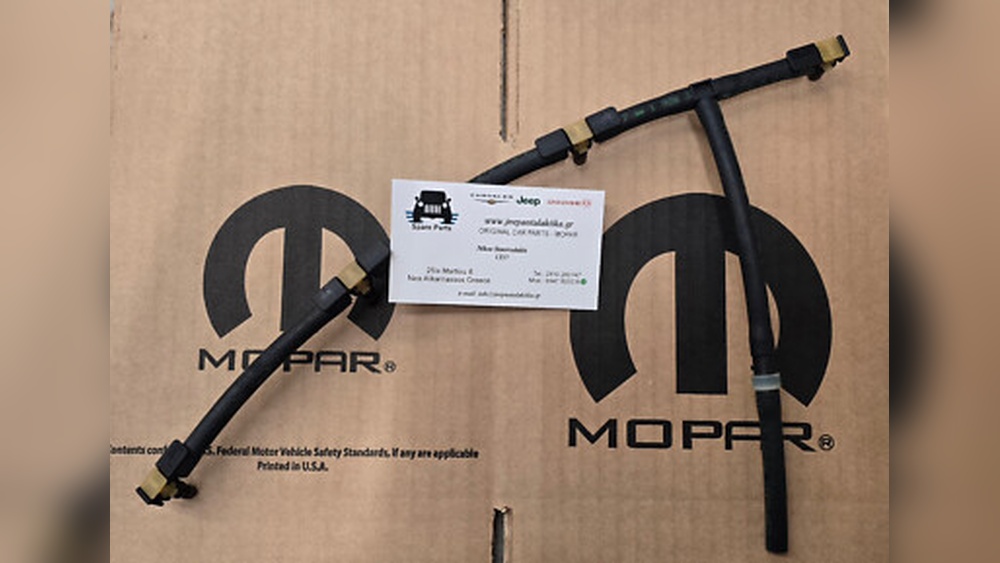
CRD stands for Common Rail Diesel. This is a type of diesel engine technology that uses a common rail fuel injection system. The “common rail” part means that the fuel is supplied to all cylinders from a single, high-pressure tube (or “rail”). This system allows for more precise control of fuel injection, which leads to:
- Better fuel efficiency
- Lower emissions
- Smoother engine operation
Jeep introduced CRD engines mainly for markets outside the United States, where diesel vehicles are more popular due to fuel prices and tax advantages.
Why Did Jeep Use Crd Engines?
For many years, diesel engines were not common in the US. However, in Europe, Africa, Asia, and Australia, diesel cars are a big part of the market. Jeep wanted to compete in these regions, so they offered CRD models in popular vehicles like the Jeep Grand Cherokee, Jeep Wrangler, and Jeep Cherokee.
Here’s why Jeep used CRD engines:
- Diesel is more popular outside the US.
- CRD engines offer better fuel economy, which is important in countries where fuel is expensive.
- Diesel engines produce more torque, helpful for off-road driving and towing.
- Stricter emissions rules in Europe required cleaner engine technology, which CRD provided.

Jeep Models That Have Crd Versions
Jeep has offered CRD engines in several of its models. Here are some of the most common:
| Model | Years Available | CRD Engine Size | Main Markets |
|---|---|---|---|
| Jeep Grand Cherokee | 2002–2019 | 2.7L, 3.0L, 3.1L | Europe, Australia, Asia |
| Jeep Cherokee/Liberty | 2002–2012 | 2.5L, 2.8L | Europe, Australia |
| Jeep Wrangler | 2007–2018 | 2.8L | Europe, Australia |
In the US, most Jeeps use gasoline engines. The CRD versions are mostly found in countries where diesel is common.
How Does Crd Compare To Other Diesel Technologies?
Not all diesel engines are the same. Before the common rail system, older diesels used a different way to inject fuel. Here’s a simple comparison:
| Feature | Older Diesel | CRD (Common Rail Diesel) |
|---|---|---|
| Fuel Pressure | Low/Medium | High |
| Noise Level | Loud | Quieter |
| Emissions | Higher | Lower |
| Performance | Average | Better |
CRD engines are more modern, efficient, and quieter than older diesels. They use computers to control fuel timing, which also reduces pollution.
Pros And Cons Of Jeep Crd Engines
If you’re thinking about buying a Jeep CRD, it helps to know the main benefits and downsides.
Pros
- High torque: Great for towing and off-road use.
- Better fuel economy: You get more miles per gallon than with gasoline engines.
- Lower CO2 emissions: Good for the environment, especially in cities with strict rules.
- Longer engine life: Diesel engines often last longer with proper care.
Cons
- Higher repair costs: CRD engines are complex and repairs can be expensive.
- Diesel fuel quality matters: Poor fuel can damage the system.
- Cold weather issues: Diesel engines can be harder to start in very cold places.
- Less common in the US: Finding spare parts or service can be more difficult outside Europe.
Many owners enjoy the power and fuel savings, but beginners may not realize that CRD engines require more careful maintenance. For example, you need to change the fuel filter often and use only high-quality diesel.
Real-world Performance: Crd Vs. Gasoline Jeep
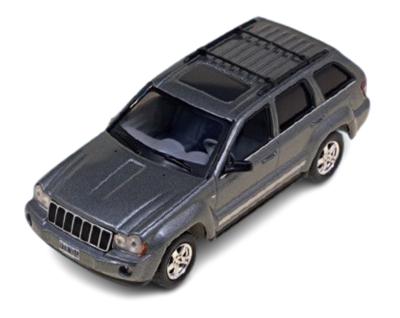
How do CRD Jeeps compare with their gasoline counterparts? Here’s a quick look at the Jeep Grand Cherokee:
| Engine Type | Horsepower (hp) | Torque (lb-ft) | Fuel Economy (mpg) |
|---|---|---|---|
| 3.0L CRD Diesel | 215 | 376 | 24 (combined) |
| 3.6L Gasoline V6 | 290 | 257 | 18 (combined) |
You can see that the CRD engine has less horsepower but much more torque and better fuel economy. This makes it ideal for towing or heavy-duty use, while the gasoline engine is better for speed.
Two Insights Beginners Miss
- AdBlue and Emissions Systems: Many newer CRD Jeeps use a fluid called AdBlue for emissions control. If you forget to refill it, the car might not start or will lose power.
- Resale Value: In some countries, diesel vehicles like CRD Jeeps can have lower resale value due to changing emissions laws. Always check local rules before buying.
Should You Buy A Jeep Crd?
A Jeep CRD is a good choice if you:
- Drive long distances regularly
- Need lots of torque for towing
- Want better fuel efficiency
But, if you only drive short trips in the city or live in a country where diesel is not common, a gasoline Jeep might be easier and cheaper to own.
For more details about common rail diesel technology, you can read this Wikipedia article.
Frequently Asked Questions
What Is The Main Difference Between Crd And Gasoline Jeeps?
CRD Jeeps use diesel fuel and a common rail injection system, which means they get better mileage and more torque. Gasoline Jeeps are usually faster and quieter but use more fuel.
Are Crd Jeeps Available In The Us?
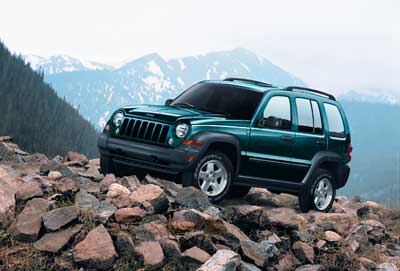
Most CRD Jeeps were only sold outside the US. Some Grand Cherokee models (like the 2007 2008 years) had diesel options, but they are rare.
Is Diesel Fuel Easy To Find For Crd Jeeps?
In Europe and Australia, diesel is easy to find. In the US and Canada, some gas stations do not carry diesel, so you must plan ahead.
How Reliable Are Jeep Crd Engines?
With proper maintenance, CRD engines are reliable and long-lasting. However, repairs can cost more due to the advanced technology.
Can I Use Biodiesel In My Jeep Crd?
Check your owner’s manual. Some CRD engines can use low blends (like B5), but high biodiesel blends may cause damage or void your warranty.
Jeep’s CRD models offer a unique blend of power and efficiency. If you understand how they work and care for them properly, a CRD Jeep can be a smart choice for many drivers.


















