If you’re driving your 2004 Jeep Cherokee and suddenly see the check engine light pop on your dashboard, it can be confusing and even a little scary. You might wonder: What exactly does this warning mean?
Should you keep driving, or is it time to pull over? The truth is, this light can signal anything from a simple issue like a loose gas cap to something more serious that needs immediate attention.
Understanding what triggers the check engine light on your Jeep can save you time, money, and stress.

Keep reading to learn what this warning means for your vehicle and what steps you should take next to keep your Jeep running smoothly.
Check Engine Light Basics
The check engine light on a 2004 Jeep Cherokee is an important alert system. It lets you know when the vehicle detects a problem. Understanding the basics of this light helps you respond quickly and avoid damage.
Purpose And Function
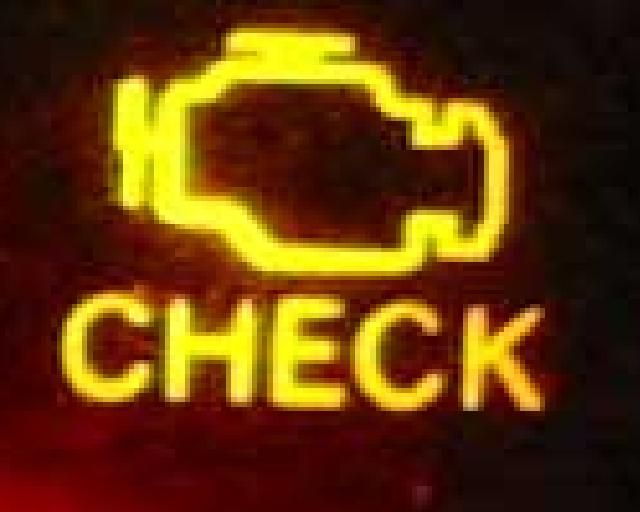
The check engine light monitors the engine and emissions system. It is part of the vehicle’s onboard diagnostic system (OBD).
When sensors detect an issue, the light turns on. This helps drivers identify problems early.
The light can signal minor issues or serious faults.
Common Warning Signals
The light often appears for simple reasons like a loose gas cap. It can also signal problems like bad fuel injectors or a vacuum leak.
Other causes include exhaust leaks or sensor failures. The light may flash or stay steady, each meaning different levels of urgency.
Frequent Causes In 2004 Jeep Cherokee
The check engine light on a 2004 Jeep Cherokee acts as an important alert. It signals that the vehicle’s onboard system has found an issue.
Understanding how the light behaves helps decide the urgency of the problem.
The light’s pattern tells you if the issue is minor or needs immediate attention. Recognizing these signals can prevent bigger damage and costly repairs.
This section explains the difference between steady and blinking lights and what each means for your Jeep.
Steady Vs Blinking Light
A steady check engine light means the system has detected a problem. Usually, this problem is not an emergency but still needs diagnosis soon.
Driving gently and scheduling a service check is advised.
A blinking check engine light is more serious. It means a severe issue, like engine misfire, which can cause damage quickly.
Stop driving as soon as it is safe and get the vehicle inspected immediately.
Ignoring a blinking light may lead to engine damage or costly repairs. A steady light signals caution but blinking demands urgent action.
Severity Indicators
The check engine light’s behavior acts as a severity indicator. A steady light often means a problem with emissions or sensors.
It may reduce fuel efficiency or cause higher emissions but usually won’t stop the vehicle.
A blinking light signals a risk of engine damage or safety concerns. It may indicate problems with the ignition system or fuel delivery.
These can cause the engine to run poorly or stall.
Understanding these severity indicators helps decide when to visit a mechanic. Acting quickly on blinking lights prevents serious engine damage. Addressing steady lights early avoids worsening issues.
Interpreting The Light’s Behavior
The check engine light on your 2004 Jeep Cherokee signals that the vehicle’s computer has detected an issue. Acting quickly can prevent further damage and costly repairs.
Follow these immediate steps to assess the situation safely and effectively.
Checking The Gas Cap
Start by inspecting the gas cap. A loose or damaged gas cap often triggers the check engine light.
Turn off the engine, remove the cap, and tighten it firmly. If the cap is cracked or worn, replace it.
After securing the cap, drive normally and see if the light turns off. This simple fix can solve many issues.
Observing Vehicle Performance
Pay close attention to how your Jeep drives. Notice any strange sounds, vibrations, or changes in power.
Check for rough idling or stalling. Watch the dashboard for other warning lights.
If the vehicle runs smoothly and the light is steady, it may not be urgent. Track these symptoms to share with your mechanic later.
When To Stop Driving
Stop driving immediately if the check engine light flashes or the Jeep behaves unusually. Flashing lights often mean a serious engine problem that can cause damage.
Also, stop if you smell burning or see smoke. Continuing to drive under these conditions risks more damage and higher repair costs.
Call for roadside assistance or tow the vehicle to a shop.

Immediate Actions To Take
The check engine light on a 2004 Jeep Cherokee often signals common engine issues. These problems usually require straightforward repairs.
Understanding typical fixes helps estimate repair costs and plan maintenance.
Many repairs involve sensors, fuel delivery, or engine vacuum. These parts affect engine performance and emissions.
Fixing them keeps your Jeep running smoothly and prevents bigger damage.
Replacing Oxygen Sensors
Oxygen sensors measure exhaust gases to adjust fuel mix. A faulty sensor triggers the check engine light.
Replacing one costs between $150 and $300. This includes parts and labor.
New sensors improve fuel efficiency and reduce emissions.
Fixing Vacuum Leaks
Vacuum leaks cause rough idling and poor engine power. They occur due to cracked hoses or loose fittings.
Repairing vacuum leaks costs around $100 to $250. Early repair avoids engine misfires and higher fuel use. Mechanics find leaks using special tools.
Fuel Injector Cleaning Or Replacement
Dirty or clogged fuel injectors reduce engine performance. Cleaning injectors costs about $50 to $100 per injector.
Replacement costs can reach $200 to $400 each. Clean injectors help smooth acceleration and better fuel economy. Regular cleaning extends injector life.
Throttle Sensor Repairs
The throttle position sensor controls engine throttle opening. A bad sensor causes poor acceleration and stalling.
Repair or replacement costs vary from $120 to $300. Fixing this sensor restores engine response and driving smoothness.
Sensors may fail due to wear or electrical issues.
Diagnostic Tools And Code Scanning
Keeping your 2004 Jeep Cherokee running smoothly requires good preventive maintenance. This helps avoid unexpected check engine light warnings.
Simple steps can protect your engine and save money on repairs. Regular care keeps your vehicle healthy and reliable on the road.
Regular Inspections
Check your Jeep regularly for any signs of trouble. Look under the hood for loose or damaged parts.
Inspect belts and hoses for cracks or wear. Pay attention to unusual noises or smells.
Early detection of problems prevents bigger issues later.
Fuel System Care
Keep the fuel system clean and efficient. Use quality fuel to avoid buildup in injectors.
Replace the fuel filter as recommended in the owner’s manual. Check the gas cap for tightness to prevent leaks.
Proper fuel care helps your engine run better and reduces emissions.
Sensor Maintenance
Sensors tell your Jeep’s computer how the engine is running. Dirty or faulty sensors can trigger the check engine light.
Clean sensors like the oxygen sensor and mass airflow sensor carefully. Replace worn sensors promptly to maintain engine performance.
Well-maintained sensors help avoid false warnings and engine problems.
Common Repairs And Costs
The check engine light on your 2004 Jeep Cherokee signals a problem. Some issues you can handle yourself.
Others need a mechanic’s attention. Knowing when to seek professional help protects your vehicle.
It saves time and money. Here are key signs you should visit a mechanic.
Persistent Light Issues
The check engine light goes off after a short time. But it keeps coming back.
This means the problem is not fixed. A mechanic can scan the car’s computer.
They find the cause behind the persistent light. Ignoring it may lead to bigger issues.
Complex Engine Problems
Sometimes the light means an engine problem you cannot see. It might be the fuel system, sensors, or ignition.
These need special tools and knowledge to diagnose. Mechanics have the right equipment.
They can fix complex problems safely and correctly.
Avoiding Costly Damage
Driving with the check engine light on may harm your Jeep. Problems like engine misfires or overheating can cause serious damage.
Repair costs can rise fast. Consulting a mechanic early avoids bigger repairs.
It keeps your Jeep running longer and saves money.
Frequently Asked Questions
What To Do When The Check Engine Light Comes On A Jeep Cherokee?
Tighten or replace the gas cap first. Next, scan for error codes.
Address serious issues promptly to avoid engine damage.
Can I Still Drive My Car If The Check Engine Light Just Came On?
You can drive briefly if the check engine light just came on. Get your car diagnosed promptly to avoid serious damage.
What Is The First Thing To Check When The Check Engine Light Comes On?
First, check if the gas cap is loose or damaged. Tighten or replace it before further diagnostics.
How To Clear A Check Engine Light Without Fixing The Problem?
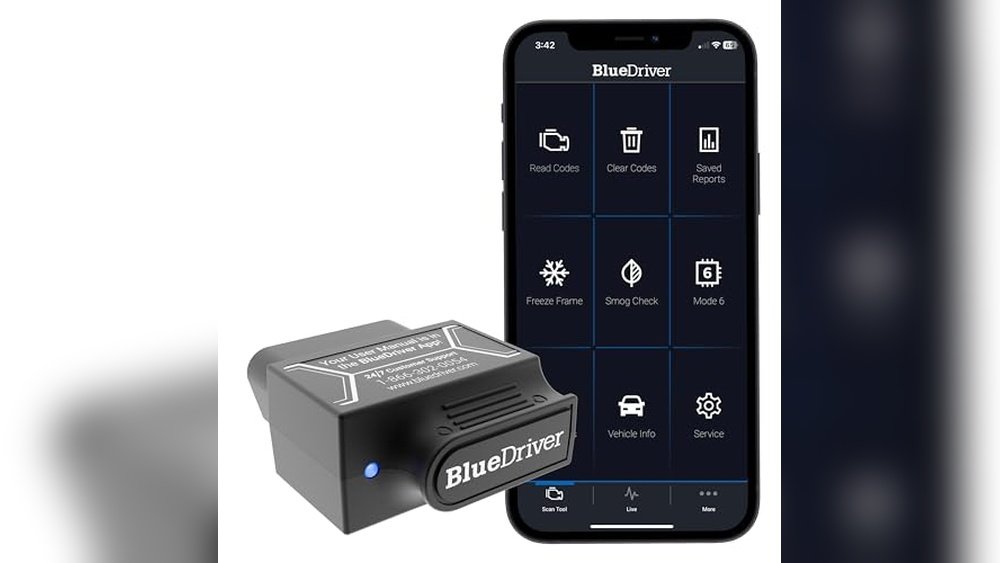
Clearing a check engine light without fixing the issue involves disconnecting the battery or using an OBD-II scanner. This only resets the light temporarily. The problem may return if left unresolved.
Conclusion
The check engine light on a 2004 Jeep Cherokee signals a problem. It can be something simple, like a loose gas cap.
Or it might mean a more serious issue, such as a faulty sensor. Ignoring the light can lead to bigger repairs later.
It's best to get your Jeep checked soon. Understanding this warning helps keep your vehicle safe and running well.
Don’t delay pay attention to the light and act promptly.