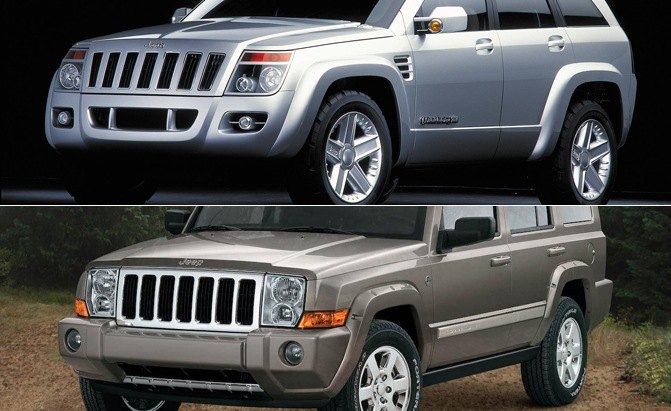
What does a Jeep Commander look like? For many, the name brings images of a bold, squared-off SUV with a strong road presence.
If you’ve never seen one up close, you might wonder what details set it apart from other Jeeps or SUVs.
The Commander stands out for several reasons—its design, size, and unique features. This article will help you picture the Jeep Commander clearly, whether you’re considering buying one or just curious about its distinctive look.
Overall Shape And Size
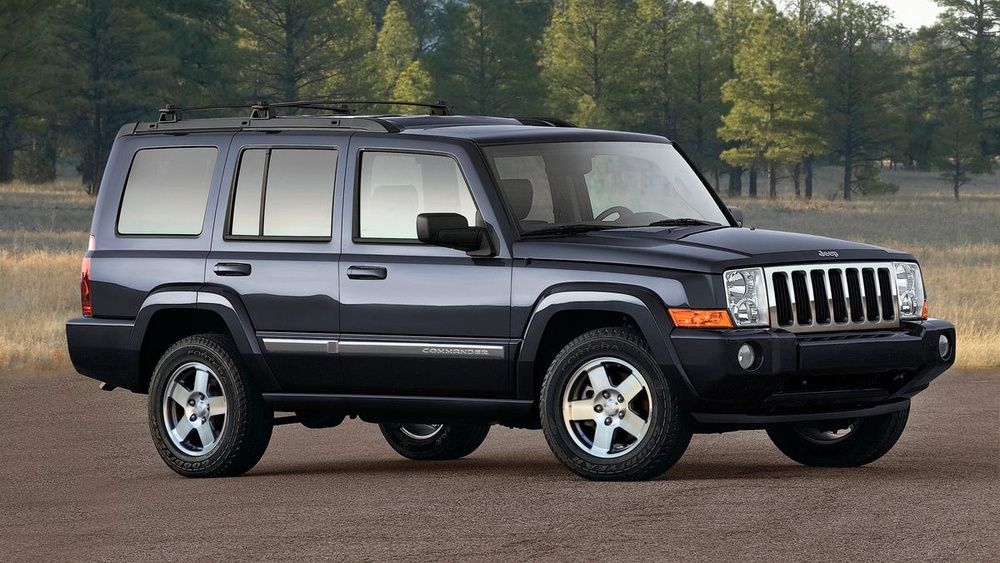
The Jeep Commander is instantly recognizable because of its boxy silhouette. Unlike modern SUVs with rounded corners, the Commander’s straight lines and flat surfaces give it a rugged, purposeful look. It measures about 188.5 inches long, 74.8 inches wide, and 71.9 inches tall. This makes it larger than the Jeep Cherokee, but a bit smaller than the Grand Cherokee L.
Three rows of seats fit inside this body, which is rare for Jeeps. That extra space means the roof is higher and the body is longer than the typical Jeep SUV. One detail people often miss: the Commander’s roof steps up at the back, making more headroom for third-row passengers.
| Model | Length (inches) | Width (inches) | Height (inches) |
|---|---|---|---|
| Jeep Commander | 188.5 | 74.8 | 71.9 |
| Jeep Grand Cherokee | 189.8 | 76.5 | 69.3 |
| Jeep Cherokee | 182.0 | 73.2 | 66.2 |
Front Design Details
The front of the Jeep Commander is classic Jeep. The seven-slot grille is upright and bold, with chrome or black accents depending on the trim. The headlights are rectangular and sit wide apart, giving the Commander a wide, assertive face. Some models have fog lights set low in the bumper for extra visibility.
The hood is flat, with simple lines, and the front bumper is thick and sturdy. These design choices make the Commander look ready for tough roads or off-road adventures.
Side Profile And Windows
From the side, the Commander’s shape is almost like a block—tall and straight. The doors are large, with squared-off wheel arches. Black or chrome trim lines the windows, depending on the model. The unique part is the stepped roof. If you look closely, you’ll see the roof rises behind the rear doors. This isn’t just for style—it adds headroom for those in the third row.
The windows themselves are tall and rectangular, making the cabin feel open and letting in lots of light. The rear windows are slightly smaller, fitting the angled back end.
Rear Appearance
At the back, the Jeep Commander keeps its squared design. The rear window is large and almost vertical, which is rare in modern SUVs. The tail lights are big and rectangular, wrapping around the corners for better visibility. The tailgate is wide, making it easy to load and unload cargo.
A small roof spoiler adds a sporty touch, and some models feature a chrome strip above the license plate. The rear bumper is thick, giving the Commander a tough, practical look.
Interior Look
Inside, the Jeep Commander is spacious and functional. The dashboard is simple, with straight lines and large buttons. Materials range from basic plastic in lower trims to wood and leather in the Limited models. The main impression is utility—a design focused on comfort and space for families or groups.
One feature that stands out is the three-row seating. The third row is smaller, best for kids or short trips, but it folds down for more cargo space. The second row also folds flat, making it easy to carry larger items. The stepped roof means even adults can sit more comfortably in the back seats.
| Interior Feature | Commander | Grand Cherokee | Cherokee |
|---|---|---|---|
| Rows of seats | 3 | 2 or 3 | 2 |
| Max Cargo Space (cu ft) | 68.9 | 70.8 | 54.7 |
| Sunroof | Optional | Optional | Optional |
Trim Levels And Exterior Features
The Jeep Commander was available in several trims in the US, including Sport, Limited, and Overland. Each trim had differences in exterior look:
- Sport: More basic, with black trim and simple wheels.
- Limited: Added chrome accents, larger wheels, and fog lights.
- Overland: Top of the line, with unique badges, more chrome, and sometimes two-tone paint.
Some Commanders have roof rails for extra cargo or off-road accessories. Others have skid plates or tow hooks, signaling they’re built for rougher use.
A detail many miss: the Commander’s windshield is more upright than most SUVs. This gives better visibility but can make the cabin a bit noisier at high speeds.

Color Options
The Commander came in a range of colors, from bright white and black to metallic shades like silver, red, and blue. Some years offered unique colors like jeep green or stone white. The variety allowed buyers to choose a look that fit their style, from bold to understated.
Off-road Stance
While the Commander was designed for families, it kept the off-road capability Jeep is known for. Its high ground clearance, short overhangs, and available four-wheel drive give it a strong, “ready-for-anything” stance. The large, squared wheel arches show off the Commander’s ability to handle rough terrain.
Unique Details And Common Misconceptions
A surprising feature: the Commander’s roof-mounted rear glass panels. Limited and Overland trims offered small sunroofs over the second row, letting in extra light. These are not full sunroofs, but they do add a special touch.
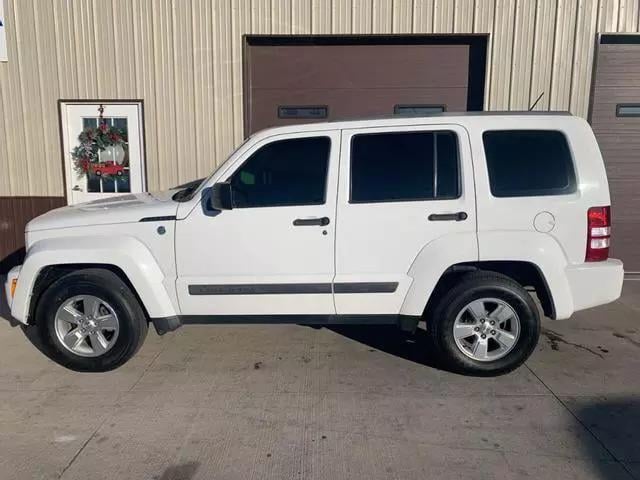
Many people confuse the Commander with the Grand Cherokee, but side by side, the Commander’s boxier design and stepped roof are clear differences. Another detail beginners miss: the third row’s higher position, thanks to a stadium-style layout. This helps passengers see forward and feel less cramped.
Jeep Commander In Other Markets
There’s a newer Jeep Commander sold outside the US, mostly in South America and China. It looks very different—more rounded and modern, based on the Compass.
If you’re looking for the classic, boxy Commander, focus on models sold in the US between 2006 and 2010.
For more in-depth specs and images, you can visit the official Jeep Commander Wikipedia page.
Frequently Asked Questions
What Years Was The Jeep Commander Made?
The classic Jeep Commander was produced for the US market from 2006 to 2010. After 2010, it was discontinued in North America.
How Many People Can The Jeep Commander Seat?
The Commander seats up to seven people with three rows of seats. The third row is best for children or shorter trips.
Is The Jeep Commander Good For Off-road Driving?
Yes, the Commander offers good off-road ability, especially with the available four-wheel drive and high ground clearance. Some trims also include skid plates and tow hooks.
What Is The Main Difference Between A Commander And A Grand Cherokee?
The Commander is boxier, with a stepped roof and three rows. The Grand Cherokee is more rounded and usually has only two rows.
Did The Jeep Commander Have Any Unique Features?
Yes, some models had roof-mounted glass panels over the second row, a stadium-style third row, and a very upright windshield for better visibility.
The Jeep Commander’s shape is all about strength, space, and Jeep tradition. Its blocky design and practical features make it stand out, whether you see it on the road or parked next to newer SUVs.